Enhanced Adsorption of NiNb Bimetallic Catalyst for CO2 Intermediates Facilitates the 100% Selective Dicarboxylation
Companies Mentioned
Why It Matters
The breakthrough offers a practical pathway to convert CO₂ into valuable dicarboxylic acids with near‑perfect selectivity, lowering waste and energy costs for the chemicals sector. It also demonstrates a design principle—enhanced intermediate adsorption—that can be applied to other CO₂ electrocatalytic processes.
Key Takeaways
- •NiNb@NF delivers 96.4% dicarboxylation yield.
- •Selectivity approaches 100% for dicarboxylic acids.
- •Strong CO2 intermediate adsorption suppresses monocarboxylation.
- •Nickel–niobium synergy enhances electrocatalytic activity.
- •Potential for scalable CO2 valorization in chemical industry.
Pulse Analysis
Electrochemical carboxylation of unsaturated hydrocarbons has long been touted as a green alternative to traditional carbonylation, yet the reaction typically suffers from low yields and mixed product distributions. Conventional catalysts often struggle to bind CO₂ tightly enough to drive the second carboxylation step, leading to monocarboxylated by‑products and inefficient carbon utilization. The need for a catalyst that can simultaneously activate the substrate and stabilize reactive CO₂ intermediates is therefore a critical bottleneck for scaling CO₂‑based chemical manufacturing.
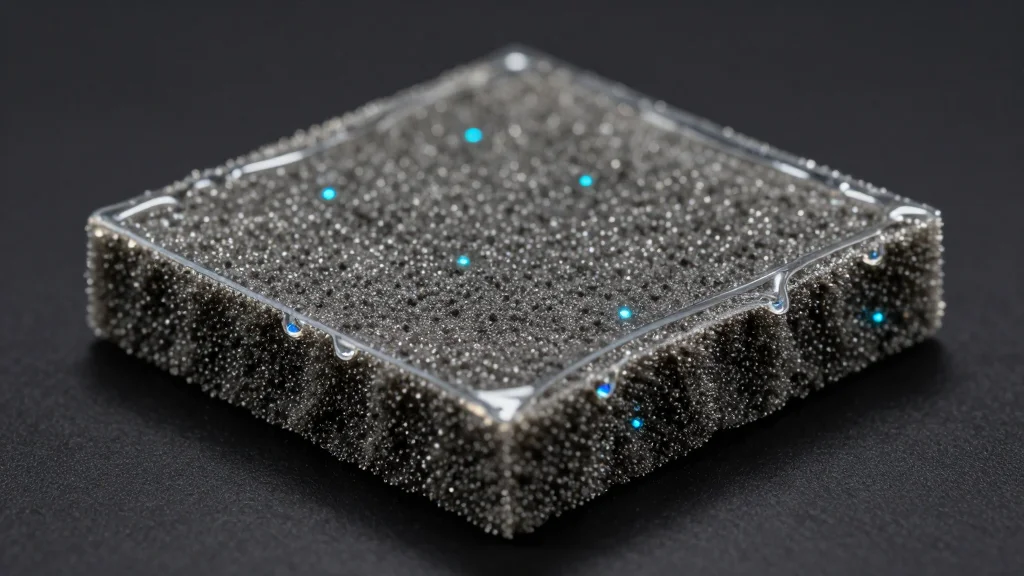
The NiNb@NF system addresses this bottleneck through a synergistic bimetallic interface that couples nickel’s hydrogen‑evolution suppression with niobium’s oxophilic surface. Spectroscopic studies show that CO₂ adsorbs in a bent configuration, facilitating electron transfer and forming a surface‑bound carboxylate that readily reacts with the conjugated diene. This strong adsorption not only accelerates the first carboxylation but also retains the intermediate long enough for a second CO₂ insertion, delivering near‑quantitative dicarboxylation. The catalyst’s nanostructured nickel foam support further enhances mass transport, ensuring stable performance under continuous electrolysis.
From an industrial perspective, achieving 96.4% yield with 100% selectivity dramatically reduces downstream separation costs and waste streams, making CO₂‑derived dicarboxylic acids economically competitive with petrochemical routes. The design principles demonstrated—bimetallic cooperation and tailored adsorption sites—can be extrapolated to other CO₂ reduction pathways, accelerating the transition to carbon‑neutral manufacturing. Continued optimization of electrode architecture and electrolyte composition could enable large‑scale deployment, positioning electrocatalytic CO₂ valorization as a cornerstone of the circular chemical economy.
Enhanced Adsorption of NiNb Bimetallic Catalyst for CO2 Intermediates Facilitates the 100% Selective Dicarboxylation
Comments
Want to join the conversation?
Loading comments...