From First Discussion to Final Delivery of a High‑End Industrial AFM
•March 2, 2026
0
Why It Matters
Meeting stringent industrial AFM specifications reduces downtime and protects costly R&D investments, reinforcing Nanosurf’s reputation as a reliable supplier in high‑precision manufacturing.
Key Takeaways
- •Early specification defines final AFM performance
- •FAT and SAT ensure compliance before shipment
- •Stage integration can amplify noise tenfold if mishandled
- •Software validation guarantees user‑friendly, application‑specific operation
- •Customer training enables autonomous industrial AFM usage
Pulse Analysis
Industrial atomic force microscopes have become essential tools for semiconductor fabs, aerospace composites, and advanced materials research, where nanometer‑scale surface characterization drives product quality. Nanosurf differentiates itself by offering fully custom AFM solutions that start with a deep dive into a client’s unique workflow. By involving an application engineer at the earliest stage, the company translates vague performance goals into concrete, testable specifications, aligning hardware design, stage mechanics, and software interfaces from day one.
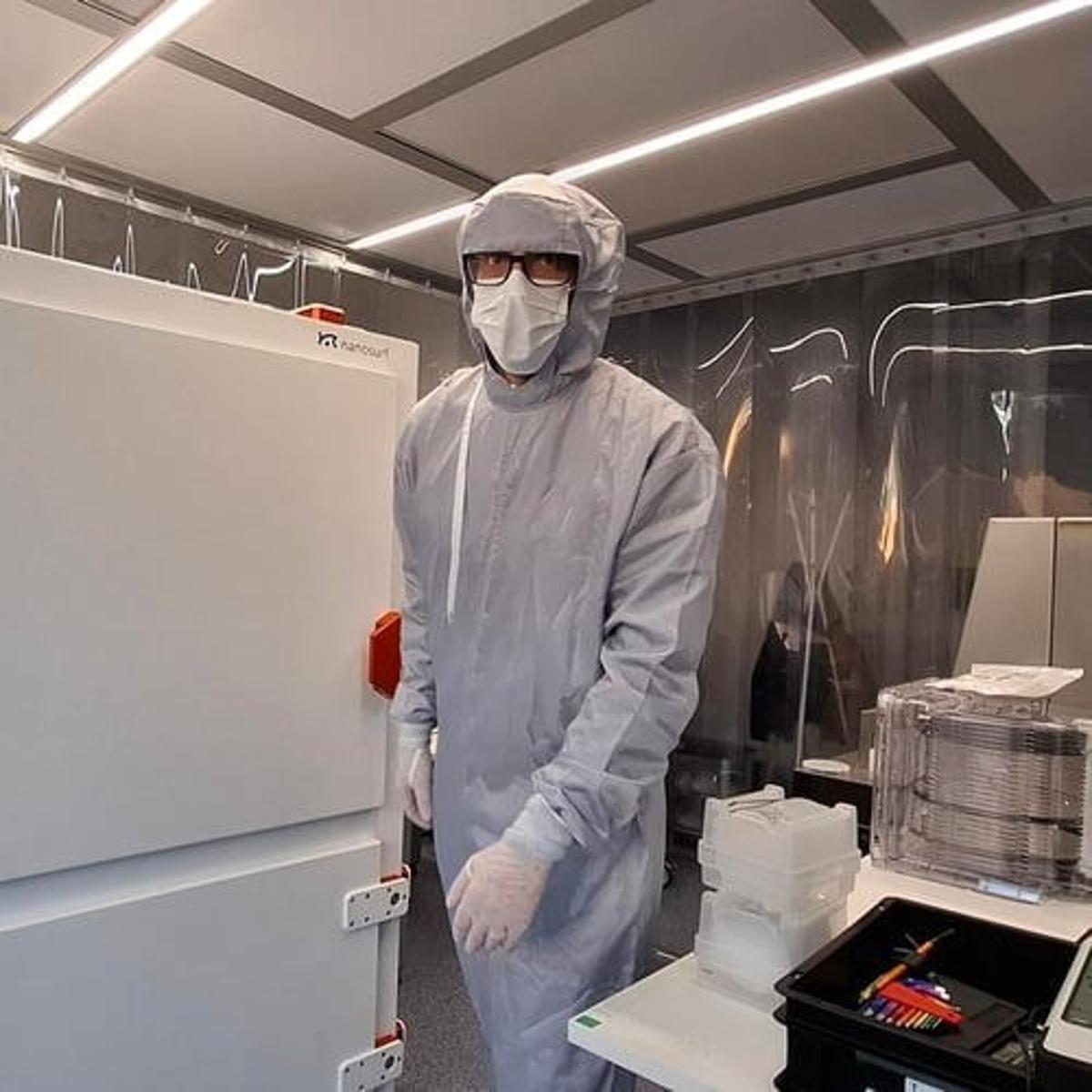
The heart of Nanosurf’s delivery model lies in rigorous acceptance testing. Factory Acceptance Tests verify that the assembled system meets the agreed‑upon metrics—noise levels, XYZ repeatability, and software feature sets—under controlled conditions. Once shipped, Site Acceptance Tests repeat these checks in the customer’s environment, catching any stage‑induced vibrations or integration‑related noise that could otherwise degrade measurement fidelity. This dual‑testing regime, coupled with meticulous calibration on standards like HOPG and certified gratings, ensures that the AFM performs reliably despite the harsh vibrational landscape of industrial cleanrooms.
Beyond hardware, Nanosurf invests in knowledge transfer. Dr. Corbetta’s on‑site training equips operators with the skills to run routine roughness scans and more complex analyses without external support. This empowerment shortens onboarding time, reduces service calls, and strengthens long‑term partnerships. For manufacturers, the guarantee that a high‑end AFM will deliver consistent, low‑noise data translates directly into higher yield, lower scrap rates, and faster time‑to‑market, making Nanosurf’s end‑to‑end approach a strategic asset in precision engineering ecosystems.
From First Discussion to Final Delivery of a High‑End Industrial AFM
0
Comments
Want to join the conversation?
Loading comments...