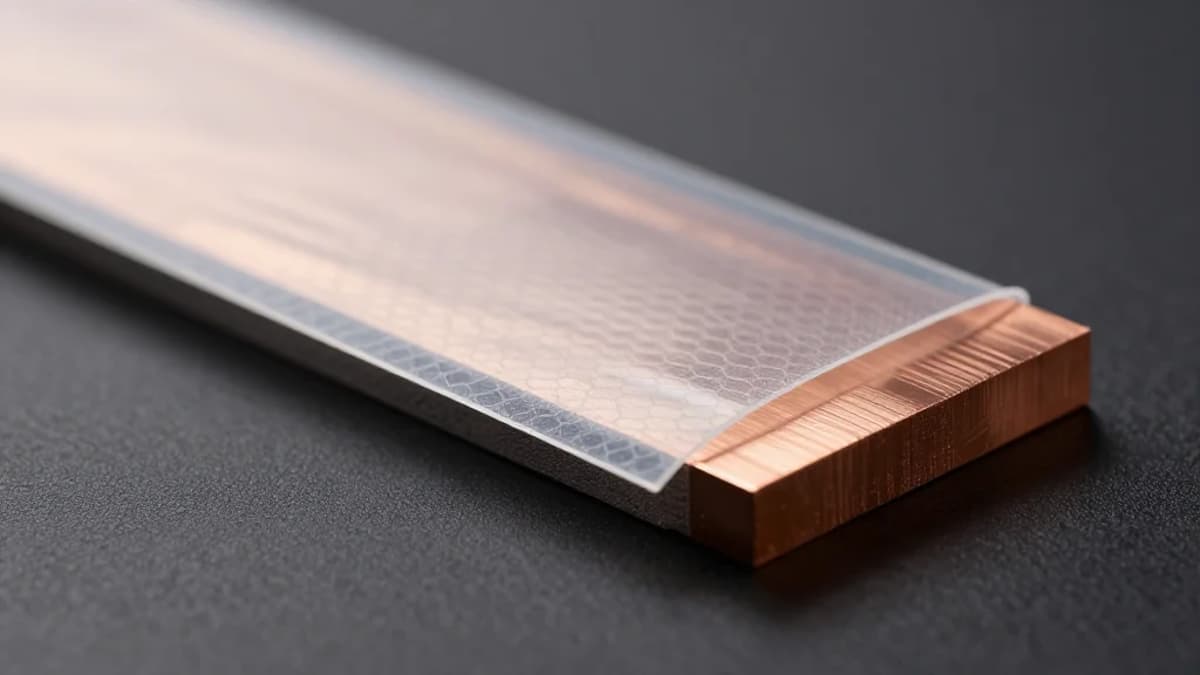
Grapherry Expands Battery-Related Partnerships to Evaluate Its Graphene in Anode Materials
•February 7, 2026
0
Why It Matters
The trials could unlock scalable, cost‑effective graphene for batteries, accelerating performance gains while supporting circular‑economy goals. This advancement may reduce reliance on scarce, expensive raw materials across the energy‑storage market.
Key Takeaways
- •Waste-derived graphene tested in battery anodes.
- •Partnerships assess performance, scalability, manufacturability.
- •Grapherry’s process delivers consistent, low‑cost graphene supply.
- •Focus on conductivity, rate capability, cycling stability.
- •Advances circular economy, reduces reliance on scarce materials.
Pulse Analysis
Graphene has long been touted as a game‑changer for lithium‑ion and next‑generation batteries because of its exceptional electrical conductivity and mechanical strength. Yet commercial adoption has stalled due to inconsistent material quality, high production costs, and limited supply chains. Grapherry, a Chicago‑based clean‑tech firm, tackles these hurdles by converting carbon waste into high‑purity graphene through a patented continuous‑flow process. The approach not only lowers feedstock expenses but also aligns with circular‑economy principles, creating a potentially abundant and cost‑stable source for high‑performance anodes.
The company’s recent expansion of collaborations with battery manufacturers moves the technology from the lab to real‑world production lines. Joint evaluations target key performance indicators such as electrical conductivity, rate capability, cycling stability, and structural integrity under manufacturing‑scale electrode fabrication. By embedding Grapherry’s graphene directly into anode formulations, partners can measure how the material behaves under typical slurry mixing, coating, and drying conditions. Early results suggest that the waste‑derived graphene can boost charge‑discharge rates while maintaining long‑term capacity, addressing two of the most pressing bottlenecks in energy‑storage design.
If these trials translate into commercial products, the ripple effects could reshape the battery supply chain. A scalable, low‑cost graphene feedstock would reduce dependence on scarce minerals like cobalt and nickel, easing geopolitical risk and price volatility. Moreover, the sustainability narrative—turning industrial waste into high‑value energy components—offers manufacturers a tangible ESG credential. Investors and OEMs are likely to watch Grapherry’s progress closely, as successful integration could accelerate the rollout of higher‑energy‑density cells for electric vehicles, grid storage, and portable electronics.
Grapherry expands battery-related partnerships to evaluate its graphene in anode materials
0
Comments
Want to join the conversation?
Loading comments...