India Claims Spot as World’s No.2 in Applied Nanotech, Says Lt Governor

Companies Mentioned
Why It Matters
India’s ascent in applied nanotechnology has far‑reaching consequences for food security, climate resilience and health outcomes across South Asia. By scaling nano‑fertilizers, the country can reduce dependence on traditional chemical inputs, lower greenhouse‑gas emissions from agriculture and improve yields for a growing population. In disaster‑prone regions, nanotech sensors promise faster, more accurate early‑warning systems that could save lives and reduce economic losses from floods and landslides. Moreover, the integration of nanomaterials into vaccines and therapeutics positions India as a potential hub for next‑generation biopharma manufacturing, diversifying global supply chains that have been heavily concentrated in the West and China. On the geopolitical front, a stronger Indian nanotech sector bolsters the nation’s defence self‑reliance agenda, allowing it to develop lightweight, high‑strength materials for aerospace and military applications. This shift could recalibrate technology partnerships in the Indo‑Pacific, prompting both allies and rivals to reassess investment strategies in the region’s emerging high‑tech industries.
Key Takeaways
- •India ranks second globally, after China, in converting nanotech research into commercial products, according to Lt Governor Manoj Sinha.
- •Nano‑urea and nano‑DAP, developed by IFFCO in Jammu and Kashmir, are highlighted as flagship agricultural innovations.
- •Sinha called for nanotech sensors to provide early warnings for Himalayan flash floods and landslides.
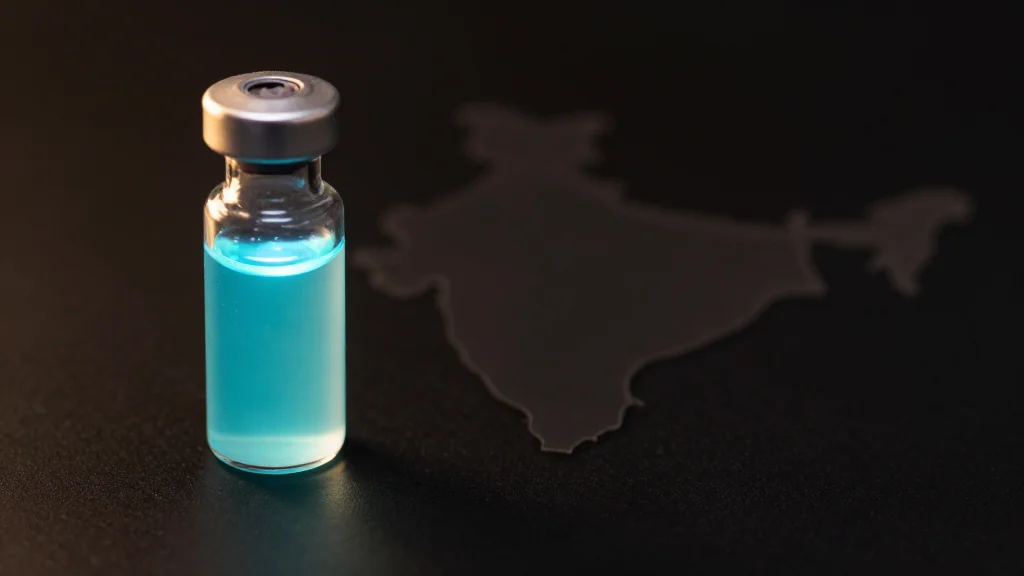
- •Nanomaterials were integrated into India’s COVID‑19 vaccine development, showcasing medical applications.
- •A policy framework for nanotech startups is slated for release by early 2026 to accelerate investment.
Pulse Analysis
India’s claim of a No.2 ranking in applied nanotechnology is more than a symbolic accolade; it reflects a convergence of policy ambition, academic output and industry readiness that has been building for a decade. The country’s large, cost‑competitive manufacturing base gives it an edge in scaling nano‑enabled products, especially in agriculture where the market for precision inputs is projected to exceed $5 billion by 2030. By leveraging existing fertilizer giants like IFFCO, India can quickly move from pilot to mass production, creating a virtuous cycle of demand and innovation.
However, the path ahead is fraught with challenges. Funding gaps, regulatory uncertainty and the need for skilled talent remain persistent hurdles. Sinha’s appeal for an expert advisory group mirrors similar initiatives in China, where state‑led nanotech clusters have benefited from coordinated R&D pipelines and clear commercialization pathways. If India can replicate that model—balancing top‑down support with bottom‑up entrepreneurship—it could attract foreign venture capital that is currently flowing into Chinese nanotech parks.
Strategically, a robust Indian nanotech sector could shift the balance of power in the Indo‑Pacific technology arena. Nations seeking alternatives to Chinese supply chains may turn to Indian partners for nano‑fertilizers, medical devices and defence materials. This realignment would not only diversify global sourcing but also embed India more deeply in the strategic tech ecosystems of the United States, Japan and the European Union. The next few years will test whether the rhetoric from NBL‑2025 translates into tangible market share and whether India can sustain its momentum amid intensifying global competition.
India Claims Spot as World’s No.2 in Applied Nanotech, Says Lt Governor
Comments
Want to join the conversation?
Loading comments...