India’s Luxury Hotels Deploy PFOA‑Free Nanotech Coatings to Boost Durability and Sustainability

Companies Mentioned
Why It Matters
The deployment of PFOA‑free nanotech coatings in India’s high‑visibility hospitality sector demonstrates that advanced material science can deliver both operational savings and environmental benefits at scale. By cutting stain absorption and cleaning frequency, hotels can lower utility bills, reduce chemical runoff, and extend the service life of expensive furnishings—key levers for improving profit margins and meeting ESG commitments. Beyond hospitality, the adoption signals market validation for non‑fluorinated nanocoatings in other high‑traffic industries such as aviation, retail and public infrastructure. As regulators worldwide tighten restrictions on per‑ and poly‑fluoroalkyl substances, manufacturers that can offer compliant, high‑performance alternatives are poised to capture a growing share of a market traditionally dominated by legacy chemistries.
Key Takeaways
- •Zyax Chem’s Vetro Power nanocoatings installed at Taj Lands End, St. Regis, Four Seasons and other luxury hotels
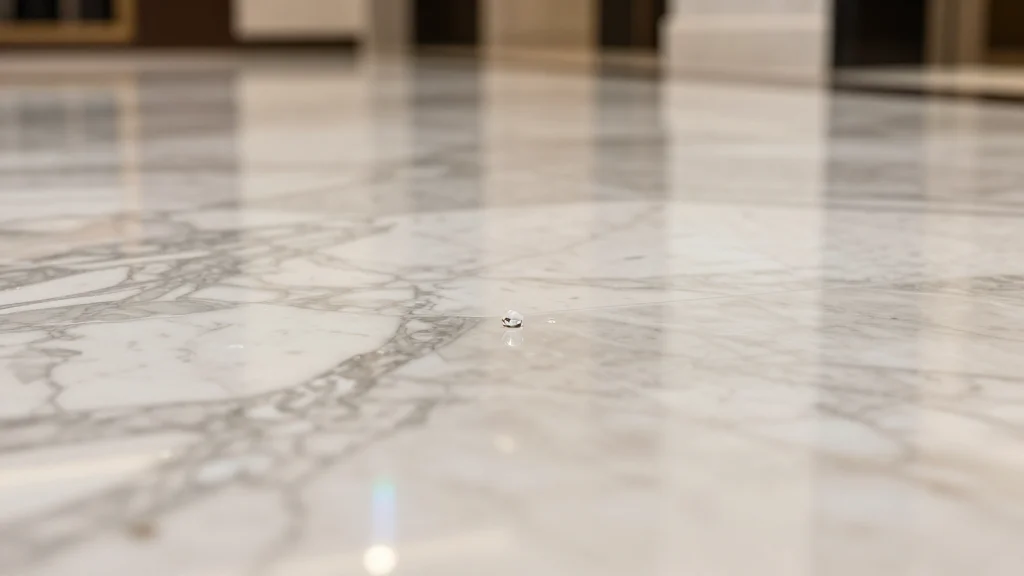
- •Coatings achieve water‑contact angles of 140°‑160° and up to 88% reduction in liquid absorption
- •Formulations are PFOA‑free and meet REACH, RoHS and ZDHC MRSL standards
- •Adoption spans 20+ countries across hospitality, infrastructure and cultural projects
- •Projected pilot at Hyatt Hampi resort to launch Q4 2026
Pulse Analysis
The Indian hospitality rollout is a bellwether for the global nanotech surface‑treatment market, which has been fragmented and dominated by legacy fluorinated chemistries. Zyax Chem’s strategy of coupling performance data with strict compliance credentials gives it a defensible niche as regulators in the EU, US and Asia tighten PFAS bans. By leveraging the "lotus effect" at scale, the company not only differentiates on sustainability but also on cost‑of‑ownership—a compelling value proposition for operators facing rising labor and utility expenses.
Historically, nanocoatings have struggled to achieve commercial traction due to high material costs and limited durability data. The reported reductions in cleaning frequency and extended material lifespan provide the hard‑numbers that investors and corporate procurement teams demand. If the upcoming Hyatt Hampi pilot validates these claims in a live environment, it could unlock a cascade of contracts with international chains seeking LEED‑certified upgrades, effectively turning a niche product into a mainstream service offering.
Looking forward, the competitive landscape will likely see traditional chemical giants either acquire niche players like Zyax Chem or accelerate their own R&D into fluorine‑free nanomaterials. The speed of adoption will hinge on supply‑chain scalability and the ability to demonstrate consistent performance across diverse climate zones. For now, the Indian hotel sector’s embrace of nanotech coatings signals a decisive shift toward preventive, eco‑friendly material stewardship that could reshape surface‑treatment economics worldwide.
India’s Luxury Hotels Deploy PFOA‑Free Nanotech Coatings to Boost Durability and Sustainability
Comments
Want to join the conversation?
Loading comments...