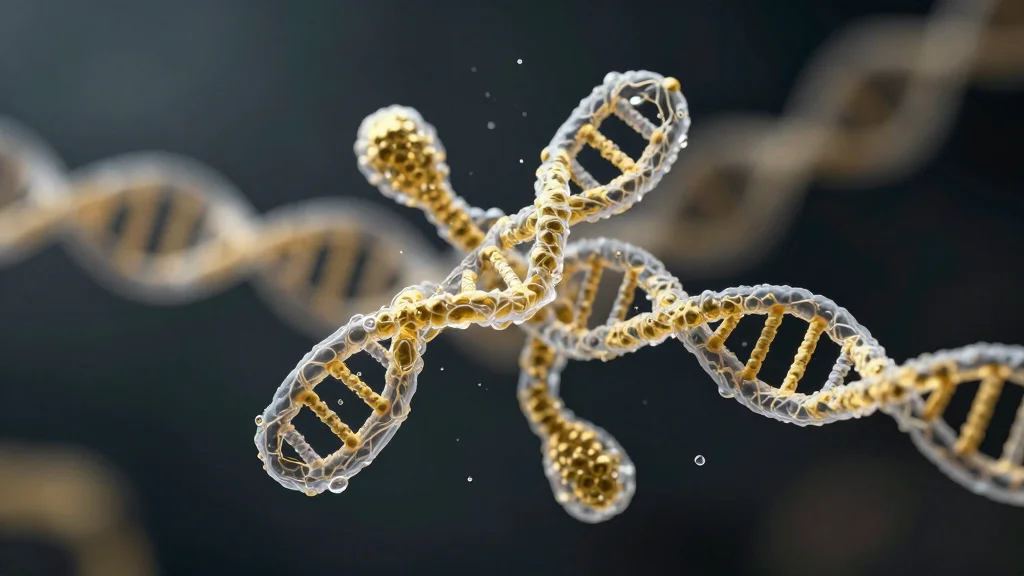
KAIST Uses DNA Nanocoating to Boost Hydrogen Production Efficiency

Why It Matters
The KAIST discovery bridges molecular biology and electrochemistry, offering a low‑cost, tunable alternative to conventional catalyst coatings. By controlling ion transport at the atomic level, the DNA nanocoating can boost hydrogen generation efficiency—a critical factor for scaling green hydrogen as a clean‑fuel backbone. Additionally, the method’s applicability to biomass‑derived feedstocks like glycerol suggests a pathway to integrate renewable chemicals production with hydrogen generation, reinforcing circular‑economy objectives and reducing carbon footprints across multiple industries. Beyond immediate performance gains, the work signals a paradigm shift: programmable biomolecules can become functional components in energy‑conversion devices. This could catalyze a new class of hybrid technologies where genetic engineering informs material science, accelerating innovation cycles and diversifying the supply chain for critical energy materials.
Key Takeaways
- •KAIST team led by Prof. Jimin Park developed a DNA‑coated gold nanoparticle catalyst.
- •Single‑stranded DNA layers tune local pH and ion transport, enhancing hydrogen evolution.
- •Sequence‑dependent DNA coatings improve glyceric acid selectivity from glycerol oxidation.
- •Findings published in JACS on May 5, highlighting bio‑nanotech convergence.
- •Researchers aim to commercialize the coating for carbon‑neutral hydrogen and biomass conversion.
Pulse Analysis
The KAIST breakthrough arrives at a moment when the hydrogen economy is scrambling for cost‑effective, scalable solutions. Traditional catalysts rely on expensive platinum‑group metals and static polymeric coatings that cannot adapt to fluctuating reaction conditions. By substituting a biologically sourced, programmable DNA layer, the team not only cuts material costs but also introduces a dynamic control knob—DNA sequence—that can be swapped in minutes to optimize performance for different reactions. This flexibility could dramatically shorten development timelines for next‑generation electrolyzers.
Historically, bio‑inspired materials have struggled to transition from lab curiosities to industrial workhorses due to stability concerns. The KAIST study’s use of surface‑enhanced Raman spectroscopy to monitor real‑time ion dynamics provides a compelling proof‑of‑concept that DNA can survive the harsh electrochemical environment of water splitting. If durability tests confirm long‑term resilience, the technology could disrupt the catalyst supply chain, reducing dependence on mined metals and opening the door for localized production of catalyst coatings using synthetic biology platforms.
Looking ahead, the commercial impact will hinge on partnerships with electrolyzer manufacturers and the ability to integrate DNA coating steps into existing catalyst fabrication lines. The potential to co‑produce hydrogen and high‑value chemicals like glyceric acid also aligns with emerging policy incentives for integrated renewable fuel and chemical production. Should these hurdles be cleared, DNA‑based nanocoatings could become a cornerstone of a more sustainable, bio‑enabled energy infrastructure.
KAIST Uses DNA Nanocoating to Boost Hydrogen Production Efficiency
Comments
Want to join the conversation?
Loading comments...