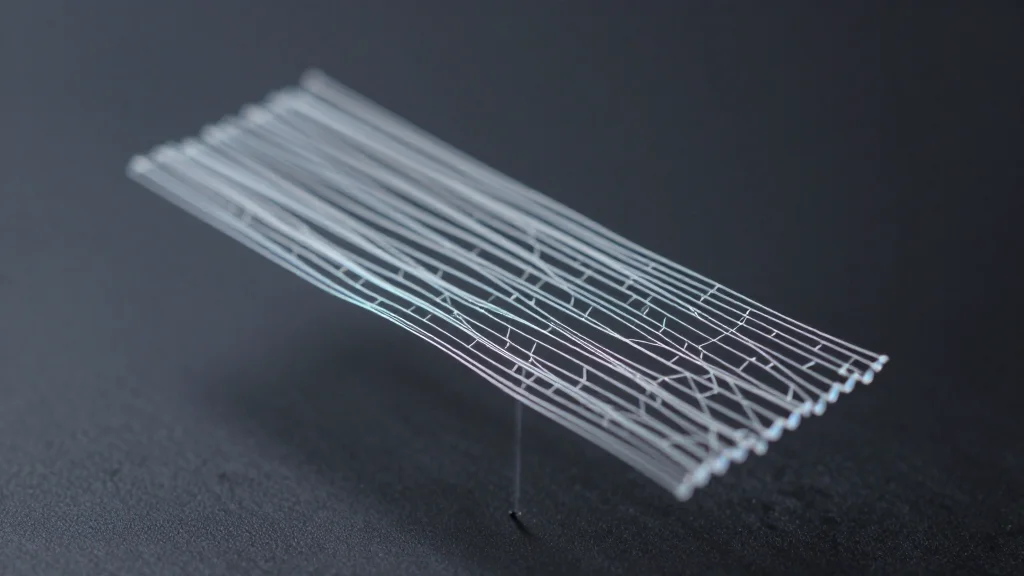
KIST‑SNU Team Cuts Iridium Use Ten‑Fold in Water Electrolysis with Nanotube Mesh Electrodes

Why It Matters
Iridium scarcity has long been a choke point for the green‑hydrogen economy, inflating the cost of PEM electrolyzers and slowing adoption. By demonstrating that a nanostructured mesh can deliver the same catalytic activity with a fraction of the metal, the KIST‑SNU breakthrough directly addresses the cost‑competitiveness barrier. Moreover, the durability data suggest that the new electrodes can meet the operational lifetimes required for utility‑scale projects, reducing the total cost of ownership. Beyond hydrogen, the approach showcases how nanotechnology can re‑engineer other rare‑metal‑dependent processes, from fuel cells to CO₂ electroreduction, potentially reshaping multiple clean‑energy pathways.
Key Takeaways
- •Iridium usage reduced from >350 µg cm⁻² to 31.3 µg cm⁻² (≈90% reduction).
- •Mesh retains 98.3% of initial efficiency after 30 days of continuous operation.
- •Research published in *Applied Catalysis B: Environmental and Energy*.
- •Potential 15‑20% reduction in electrolyzer capital costs, per analyst estimates.
- •Pilot trials with Korean electrolyzer manufacturers slated for later 2026.
Pulse Analysis
The KIST‑SNU electrode arrives at a pivotal moment when governments worldwide are pledging billions toward hydrogen roadmaps. Historically, the high cost of iridium has forced many projects to rely on alkaline electrolyzers, which are cheaper but less efficient and slower to respond to variable renewable inputs. By delivering PEM‑grade performance with dramatically less iridium, the nanotube mesh could tilt the economics back toward PEM technology, which is better suited for grid‑balancing and offshore applications.
From a competitive standpoint, the breakthrough narrows the advantage held by European and Japanese firms that have invested heavily in proprietary iridium‑based catalyst formulations. South Korean firms now have a home‑grown alternative that can be scaled quickly, leveraging the country’s strong manufacturing base. If the upcoming pilot validates the lab results, we may see a rapid shift in supply chains, with reduced demand for iridium prompting a re‑pricing of the metal and potentially freeing up resources for other high‑value applications.
Looking ahead, the key question is whether the mesh can be mass‑produced at scale without compromising the precise nanostructure that underpins its performance. The team’s next milestone—integrating the mesh into a 10‑MW electrolyzer stack—will test both manufacturing scalability and real‑world durability under fluctuating renewable power. Success could accelerate the timeline for achieving cost‑competitive green hydrogen before 2030, a target set by the International Energy Agency.
KIST‑SNU Team Cuts Iridium Use Ten‑Fold in Water Electrolysis with Nanotube Mesh Electrodes
Comments
Want to join the conversation?
Loading comments...