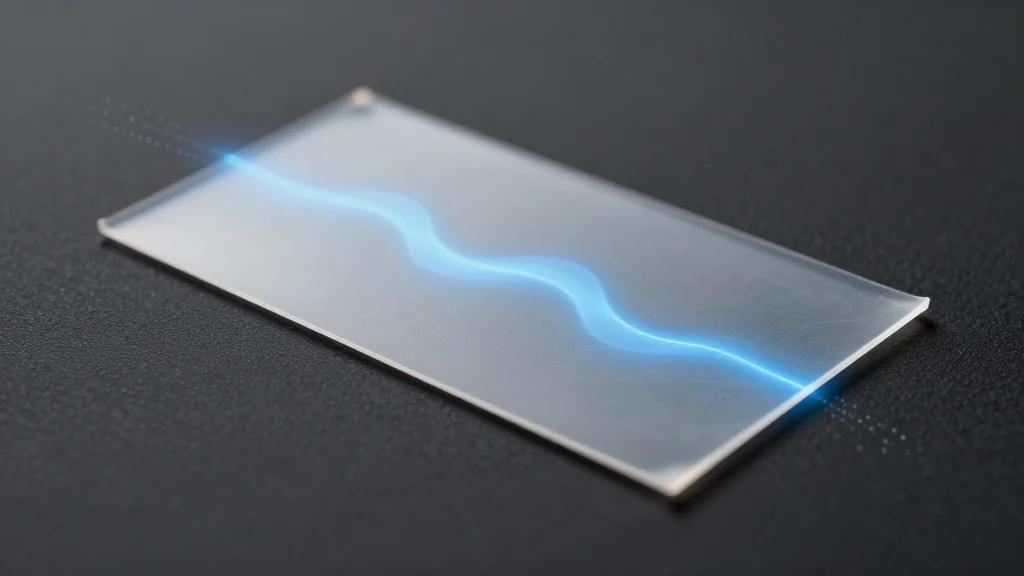
Korean Researchers Unveil Ultra‑Thin Nanotech Shield Blocking 99.999% of Radiation

Why It Matters
Radiation exposure is a persistent hazard in space travel, medical imaging, and nuclear power generation. Existing shielding solutions are heavy, inflexible, and often costly, limiting design options and increasing operational expenses. The Korean nanotech shield offers a path to dramatically lighter and more adaptable protection, potentially enabling longer missions, more efficient hospital layouts, and safer nuclear plant operations. By reducing mass and improving flexibility, the technology could lower launch costs for deep‑space missions and open new configurations for radiation‑intensive facilities. Beyond immediate applications, the breakthrough showcases how nanostructured composites can achieve performance levels previously thought exclusive to bulk materials. If the shield can be manufactured at scale, it may catalyze a broader wave of nanomaterial innovations targeting other extreme‑environment challenges, from thermal management to structural reinforcement, reinforcing the strategic importance of nanotech research in national security and commercial sectors.
Key Takeaways
- •KIST scientists created a nanomaterial that blocks 99.999% of electromagnetic radiation
- •The shield attenuates approximately 72% of neutron radiation
- •Material thickness is comparable to a human hair and can be stretched like rubber
- •Potential applications span space missions, hospital imaging rooms, and nuclear power plants
- •Prototype panels will be tested on a low‑Earth‑orbit satellite later in 2026
Pulse Analysis
The Korean shield arrives at a moment when the economics of spaceflight are being reshaped by private launch providers and national agencies alike. Every gram saved on a spacecraft translates into either additional payload capacity or reduced launch fees. Traditional shielding, dominated by lead or high‑density polymers, imposes a heavy penalty on mission budgets. By delivering comparable protection in a film that weighs a fraction of the conventional material, the nanotech shield could become a cost‑driver for next‑generation lunar habitats and Mars transit vehicles.
In the medical arena, the technology aligns with a broader push toward patient‑centered design. Current radiology suites often rely on thick walls that constrain room layout and increase construction costs. A flexible, thin barrier could be retrofitted into existing facilities, improving ergonomics for clinicians while maintaining safety standards. This could accelerate adoption in emerging markets where capital for large‑scale construction is limited.
However, the path from laboratory to market is fraught with hurdles. Certification processes for aerospace and medical devices are rigorous, demanding extensive testing under varied radiation spectra and environmental conditions. Production scalability is another unknown; nanomanufacturing at industrial volumes can encounter yield issues that erode cost advantages. Competitors in the protective‑materials space, including firms developing graphene‑based and metal‑foam shields, will likely accelerate their own R&D to protect market share. The Korean team's ability to secure strategic partnerships and navigate regulatory landscapes will determine whether the shield becomes a niche solution or a new industry standard.
Korean Researchers Unveil Ultra‑Thin Nanotech Shield Blocking 99.999% of Radiation
Comments
Want to join the conversation?
Loading comments...