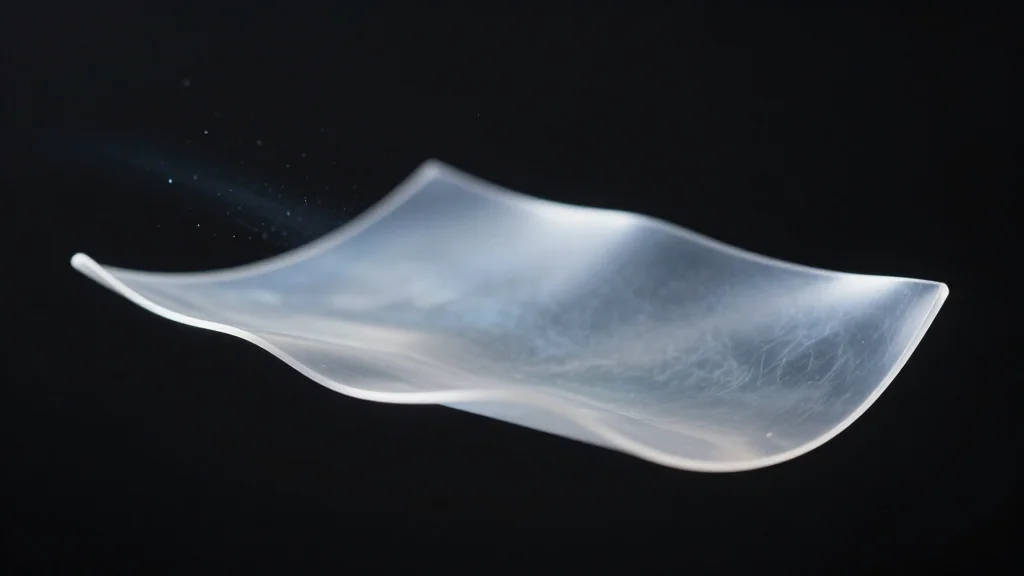
Korean Researchers Unveil Ultra‑Thin Nanotech Shield Blocking 99.999% Radiation

Why It Matters
The nanotech shield addresses a long‑standing trade‑off between protection and weight. In space exploration, reducing shielding mass directly lowers launch costs and enables longer missions, which is critical as agencies and private firms target lunar bases and Mars voyages. In medical environments, a flexible, lightweight barrier can improve worker safety and patient comfort, mitigating the chronic health risks associated with repeated radiation exposure. For nuclear facilities, a thin yet effective shield offers a path to upgrade legacy infrastructure without extensive retrofitting, enhancing safety margins in an industry where even marginal improvements can prevent costly incidents. Beyond immediate applications, the technology showcases how hybrid nanotube composites can be engineered for selective radiation attenuation. This could spur a new class of multifunctional materials that combine mechanical resilience, thermal management and electromagnetic shielding, opening avenues for advanced electronics, wearable devices and even civilian infrastructure in high‑radiation zones.
Key Takeaways
- •KIST researchers led by Joo Yong‑ho published the shield in *Advanced Materials* on March 4, 2026.
- •The nanocomposite blocks up to 99.999% of electromagnetic radiation and ~72% of neutron particles.
- •Material thickness is thinner than a human hair and can be stretched like rubber.
- •Potential applications span spaceflight, radiology, and nuclear power plant safety.
- •Field testing slated for 2026‑2027 with plans for patents and commercial licensing.
Pulse Analysis
The Korean nanotech shield arrives at a moment when the economics of spaceflight are under intense pressure to cut mass and cost. Historically, radiation protection has been a heavyweight problem—lead, water, and thick polymer layers add significant launch weight, eroding the payload advantage of reusable rockets. By delivering comparable or superior attenuation in a film thinner than a strand of hair, the KIST composite could shift the cost curve for deep‑space missions, making longer stays on the Moon or Mars more financially viable. This aligns with the broader industry trend toward multifunctional materials that serve structural, thermal and protective roles simultaneously.
In the medical arena, the shield could disrupt a market dominated by lead aprons that are heavy, uncomfortable, and increasingly regulated for occupational health reasons. A flexible, nanotube‑based alternative would not only improve ergonomics but also enable new protective garments that conform to complex body shapes, potentially expanding the use of radiation shielding to outpatient settings and mobile imaging units. The adoption curve may be accelerated by hospitals seeking to meet stricter exposure limits set by agencies such as the International Commission on Radiological Protection.
For the nuclear sector, the technology offers a low‑profile solution to retrofit aging facilities without extensive construction downtime. The ability to integrate a thin film into existing walls or equipment housings could become a cost‑effective compliance pathway as regulators tighten safety standards worldwide. However, commercial success will hinge on scaling the production of high‑purity carbon and boron nitride nanotubes—a process that remains capital‑intensive. Partnerships with established nanomaterial manufacturers and government‑backed R&D subsidies will likely be essential to move the shield from laboratory to market. Overall, the Korean breakthrough exemplifies how targeted nanotechnology can resolve entrenched engineering constraints, and its trajectory will be a bellwether for future nanomaterial commercialization efforts.
Korean Researchers Unveil Ultra‑Thin Nanotech Shield Blocking 99.999% Radiation
Comments
Want to join the conversation?
Loading comments...