Ligand‐Driven Optimization of Iron Oxide Nanoprobes for In Vivo MRI Enhancement at Ultra‐High Field
•February 3, 2026
0
Companies Mentioned

Why It Matters
The approach delivers predictable, high‑performance contrast at ultra‑high fields, overcoming a key limitation of negative agents. It paves the way for sharper, clinically viable neuroimaging and broader adoption of nanoprobes in diagnostics.
Key Takeaways
- •Surface chemistry overrides shell thickness for T2 relaxivity.
- •Citric acid coating yields record-high r2 at 3T and 9.4T.
- •Hydrophilicity and negative charge boost water access, magnetic dephasing.
- •r2 improvements up to 333 mm‑1 s‑1 across coatings.
- •Phantom relaxometry predicts rat brain UHF-MRI performance.
Pulse Analysis
Ultra‑high‑field magnetic resonance imaging (UHF‑MRI) promises sub‑millimeter resolution, yet conventional negative contrast agents lose efficiency as field strength rises. The primary obstacle lies in limited water accessibility to the magnetic core, which reduces T2 dephasing. By focusing on surface chemistry rather than merely increasing particle size or shell thickness, researchers can directly modulate the interaction between surrounding protons and the nanoparticle’s magnetic field, unlocking higher relaxivity at 7 T and above.
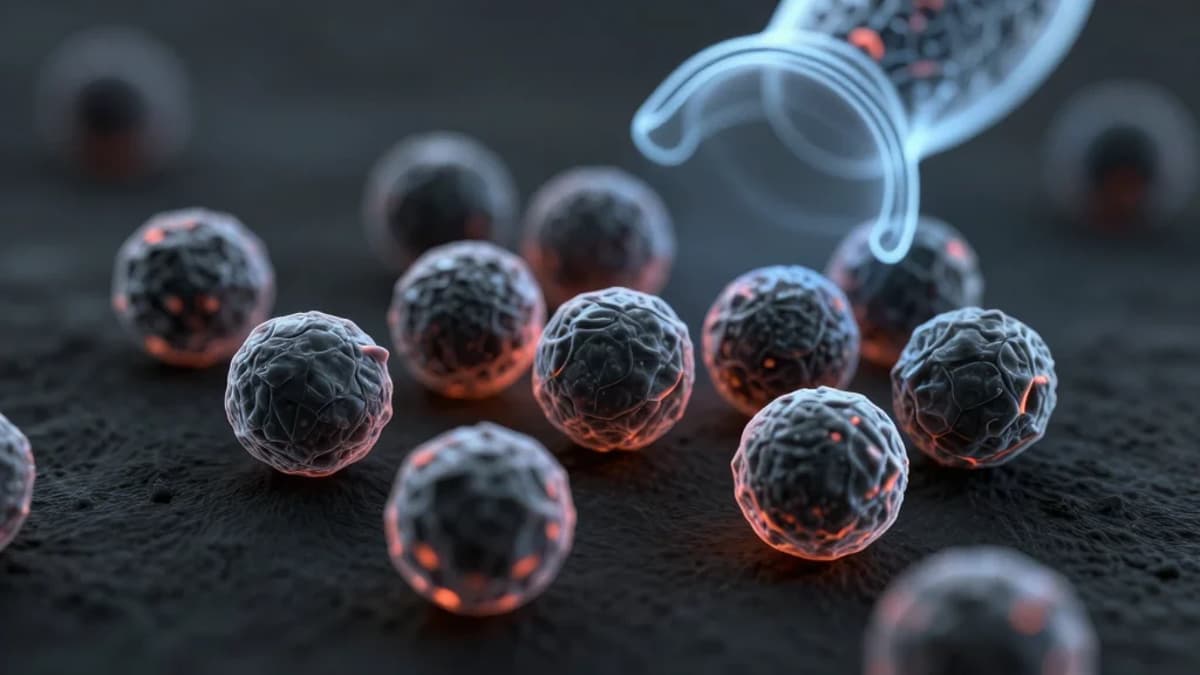
In the recent study, five distinct ligands—polyacrylic acid, poly(isobutylene‑alt‑maleic anhydride), poly(maleic anhydride‑alt‑1‑octadecene), citric acid, and silica—were grafted onto monodisperse 12 nm iron‑oxide cores. Systematic relaxometry across 1.4 T, 3 T, and 9.4 T revealed that hydrophilic, anion‑rich coatings dramatically boost r₂, with citric‑acid‑capped particles achieving a record 522 mm⁻¹ s⁻¹ at clinical field strength. The data showed a clear correlation: higher ζ‑potential and smaller hydrodynamic diameter improved water diffusion to the magnetic core, outweighing any gains from thicker inert shells.
The translational impact is significant. Phantom measurements accurately forecasted in vivo performance in rat brain models, confirming that ligand‑engineered probes can be scaled for preclinical and potentially clinical use. This reliability reduces development risk for neuro‑imaging applications, where precise contrast is essential for detecting subtle pathologies. Moreover, the ligand‑exchange protocol is compatible with existing manufacturing pipelines, suggesting a feasible path toward commercial high‑relaxivity agents that meet the stringent demands of next‑generation UHF‑MRI scanners.
Ligand‐Driven Optimization of Iron Oxide Nanoprobes for In Vivo MRI Enhancement at Ultra‐High Field
0
Comments
Want to join the conversation?
Loading comments...