Localized Thermomechanical Measurements of Polymers and Blends with AFM‐IR
•March 3, 2026
0
Why It Matters
By delivering nanoscale thermomechanical data, PRIMA accelerates polymer material design and quality control, especially for thin‑film applications where conventional bulk tests fail. The ability to isolate individual phases opens new pathways for advanced composites and flexible electronics.
Key Takeaways
- •PRIMA merges IR heating with AFM nanomechanics.
- •Enables component-specific thermomechanical mapping at nanometer scale.
- •Detects melting and glass transition in thin polymer films.
- •Distinguishes phases in polymer blends without bulk alteration.
- •Reduces thermal drift, speeds up localized heating.
Pulse Analysis
Understanding how polymers respond to heat and stress at the nanoscale is a long‑standing challenge for material scientists. Traditional differential scanning calorimetry or bulk mechanical testing averages properties over millimeters, masking the behavior of individual domains in blends, multilayers, or ultra‑thin coatings. As industries push toward flexible electronics, wearable sensors, and high‑performance composites, precise thermomechanical insight becomes essential for predicting performance, reliability, and manufacturability.
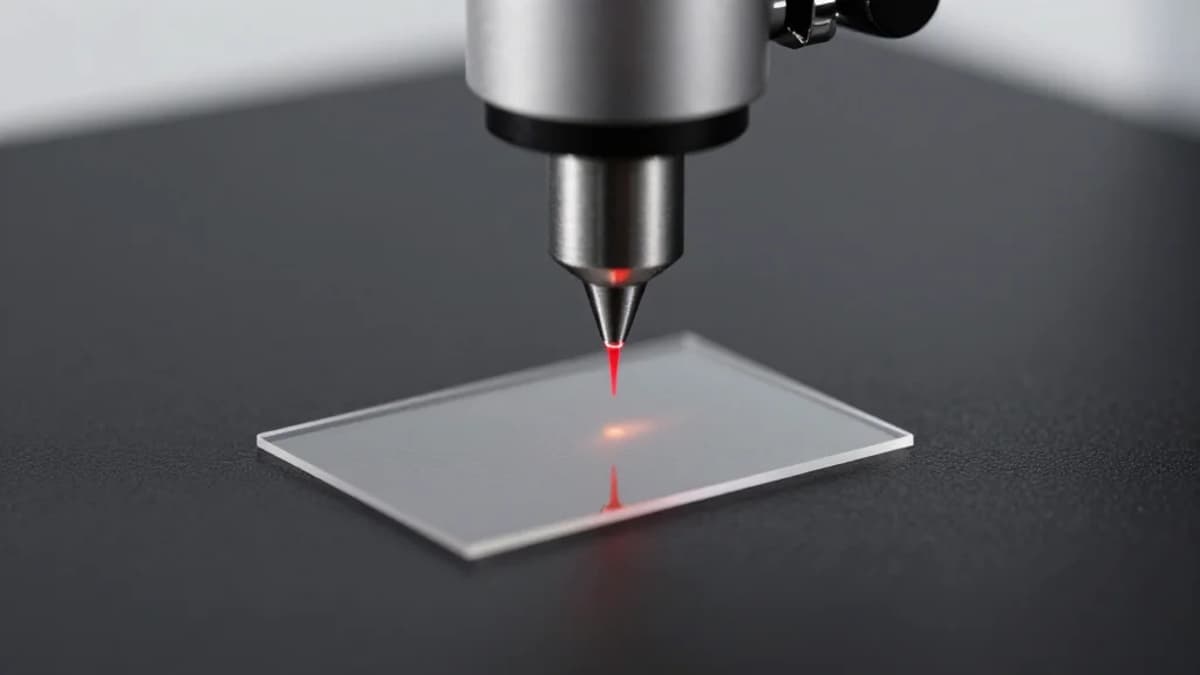
Photothermal Resonant Infrared Mechanical Analysis (PRIMA) addresses this gap by synchronizing infrared‑induced heating with atomic force microscopy force‑modulation. The infrared laser selectively excites molecular vibrations tied to specific chemical bonds, while the AFM tip records real‑time changes in modulus and deformation. Experiments showed that varying the IR repetition rate could melt polyethylene glycol films of different molecular weights and detect the glass‑transition temperature of confined poly(lactic acid) layers, with thinner films responding at lower energy inputs. Moreover, PRIMA distinguished the thermal response of PLA and uncrosslinked nitrile butadiene rubber within a blend, proving its capability for phase‑specific analysis without altering the bulk material.
The implications for industry are significant. Manufacturers can now map thermal stability and mechanical resilience across micro‑features, enabling rapid iteration of polymer formulations for coatings, membranes, and printed electronics. The technique’s low thermal drift and fast heating cycles reduce testing time and equipment wear, translating into cost savings. As the method matures, integration with automated AFM platforms could provide high‑throughput screening, supporting data‑driven design cycles and fostering innovation in next‑generation polymeric devices.
Localized Thermomechanical Measurements of Polymers and Blends with AFM‐IR
0
Comments
Want to join the conversation?
Loading comments...