Magnetic Microbots Steer Quantum Sensors Inside Living Cells
Why It Matters
The breakthrough provides a minimally invasive platform for real‑time cellular monitoring, opening new avenues for disease research and precision medicine. It demonstrates a scalable alternative to optical manipulation, potentially accelerating the adoption of quantum sensing in biomedical applications.
Key Takeaways
- •Magnetic microbots enable 3‑D sensor positioning inside cells
- •Reduces phototoxicity compared to optical‑tweezer methods
- •Suppresses Brownian noise, improving quantum signal fidelity
- •Measures temperature, viscosity, and ROS in real time
- •Potential for minimally invasive cancer and aging diagnostics
Pulse Analysis
Intracellular measurement has long been hampered by the viscous, crowded environment of living cells, which limits the mobility of nanoscale probes. Quantum sensors based on nitrogen‑vacancy defects in nanodiamonds offer unparalleled sensitivity to temperature, magnetic fields and chemical species, yet delivering them to specific subcellular locales has required optical tweezers that can damage delicate membranes. By integrating these sensors with a magnetically actuated helical microbot, the IISc team circumvents optical heating, providing a gentle, controllable means to ferry quantum probes deep within the cytoplasm while preserving cellular integrity.
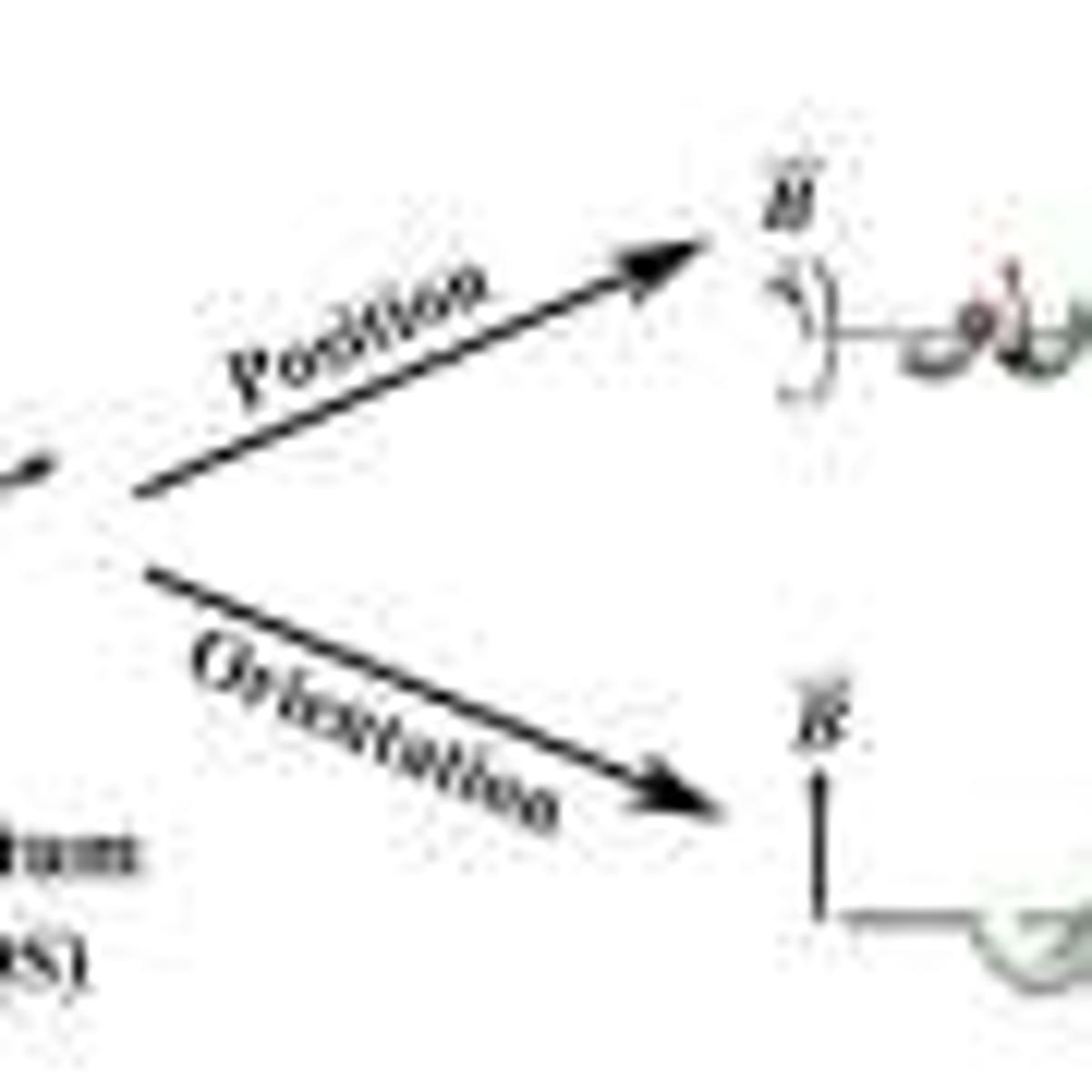
The magnetic microbot operates on a simple principle: an external rotating magnetic field aligns the iron‑laden head, causing the helix to spin and translate forward like a corkscrew. This motion is fully programmable in three dimensions, allowing researchers to steer the attached nanodiamond with sub‑micron precision. Crucially, the magnetic field also stabilizes the sensor’s orientation, counteracting random Brownian jostling that would otherwise blur quantum readouts. By spacing the nanodiamond a micron from the magnetic core, the device avoids magnetic perturbation of the NV center, ensuring that fluorescence‑based measurements remain accurate and low‑noise.
The ability to map temperature, viscosity and reactive oxygen species inside living cells in real time has profound implications for biomedical science. Researchers can now monitor metabolic hotspots, track oxidative stress during cancer progression, or assess cellular responses to drug candidates without invasive sampling. Moreover, the magnetic steering platform is compatible with existing microscopy setups, paving the way for scalable adoption in both academic labs and biotech firms. As quantum sensing technologies mature, such hybrid micro‑robotic systems could become standard tools for precision diagnostics, personalized therapy monitoring, and next‑generation bio‑nanotechnology research.
Magnetic microbots steer quantum sensors inside living cells
Comments
Want to join the conversation?
Loading comments...