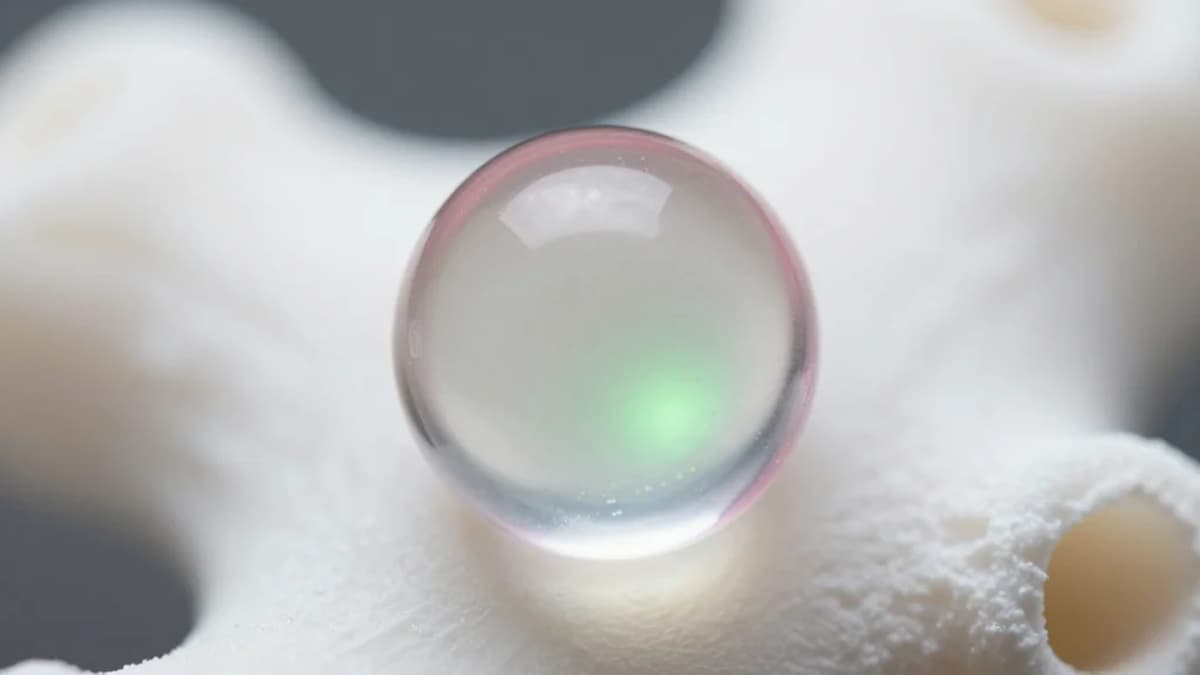
Multifunctional Biomimetic Hematoma Microspheres for Sustained Local Hydrogen Sulfide (H2S) Delivery to Enhance Vascularized Bone Regeneration
•January 30, 2026
0
Companies Mentioned

Why It Matters
By providing localized, sustained H₂S delivery, the platform accelerates healing of large bone defects and could reduce reliance on extensive grafting procedures, impacting orthopedic surgery and regenerative medicine markets.
Key Takeaways
- •Biomimetic microspheres mimic hematoma structure for bone healing
- •pH‑responsive GelMA shell releases H₂S in acidic defects
- •H₂S modulates inflammation, angiogenesis, autophagy, osteogenesis
- •Liposomal core delivers NaHS for sustained hydrogen sulfide release
- •Strategy shifts implants from passive support to active regulation
Pulse Analysis
The new microsphere system leverages microfluidic fabrication to create particles that closely resemble the natural hematoma clot, a critical early player in bone repair. By embedding a gelatin‑methacryloyl (GelMA) matrix that swells and degrades under low pH, the device ensures that hydrogen sulfide is released precisely when the wound environment becomes acidic, a hallmark of inflammatory bone lesions. This targeted release minimizes systemic exposure while maximizing local therapeutic concentration, a key advantage over conventional H₂S donors that lack spatial control.
Hydrogen sulfide, once considered merely a toxic gas, is now recognized as a potent signaling molecule that orchestrates multiple pathways essential for tissue regeneration. In the context of bone healing, H₂S dampens pro‑inflammatory cytokines, promotes endothelial cell migration, and triggers autophagic flux in mesenchymal stem cells, thereby enhancing their osteogenic potential. The liposomal core of the microspheres protects NaHS, the H₂S precursor, from premature degradation, allowing a sustained release profile that aligns with the timeline of angiogenesis and new bone formation. This dual‑action—anti‑inflammatory and pro‑angiogenic—addresses two major bottlenecks in treating critical‑size defects.
From a commercial perspective, the technology offers a platform that can be integrated into existing orthopedic implant workflows, potentially reducing surgery time and postoperative complications. Its biomimetic design aligns with regulatory trends favoring devices that actively engage the body’s healing mechanisms rather than serving solely as structural fillers. As the market for regenerative bone solutions expands, especially in aging populations, this H₂S‑releasing microsphere could become a differentiator for manufacturers seeking to combine scaffold stability with biologically driven repair.
Multifunctional Biomimetic Hematoma Microspheres for Sustained Local Hydrogen Sulfide (H2S) Delivery to Enhance Vascularized Bone Regeneration
0
Comments
Want to join the conversation?
Loading comments...