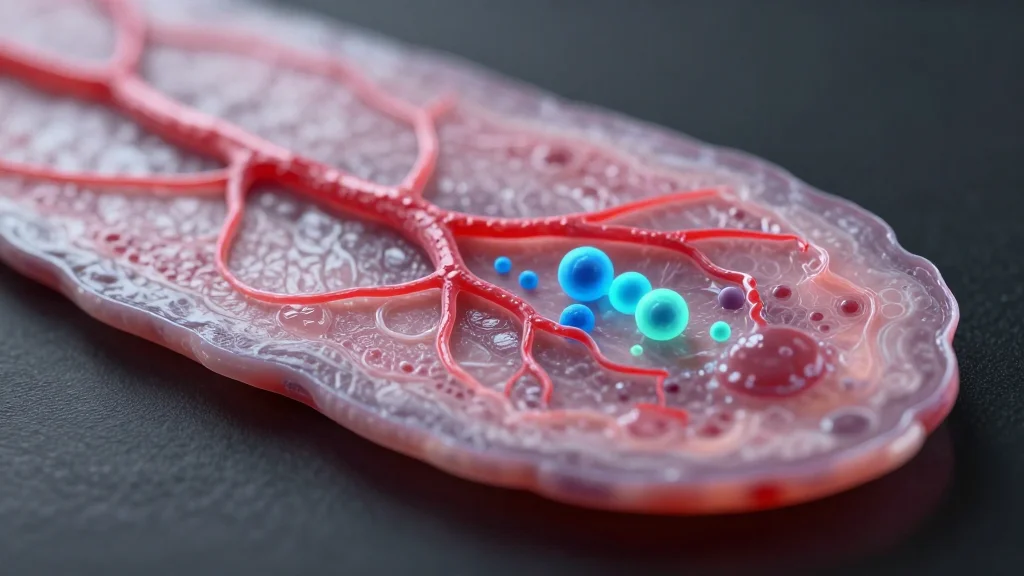
Nanoparticles Reach Metastatic Tumours via Enhanced Permeability of Adjacent Vessels
Why It Matters
By revealing a natural route for nanoparticle entry into metastases, the discovery could boost the efficacy of nanotherapeutics against disseminated disease, a major cause of cancer mortality. It also opens avenues for designing drugs that synchronize with vascular permeability windows.
Key Takeaways
- •Nanoparticles infiltrate metastases through leaky vessels near primary tumor
- •Vascular permeability spikes during early metastatic colonization
- •Intravital imaging confirms nanoparticle extravasation into micrometastases
- •Targeting permeability windows may enhance nanomedicine efficacy
- •Study bridges gap between primary‑tumor angiogenesis and metastasis treatment
Pulse Analysis
Metastatic cancer remains the leading cause of cancer deaths, in part because systemic therapies struggle to reach microscopic lesions scattered throughout the body. Traditional nanomedicines rely on the enhanced permeability and retention (EPR) effect within primary tumors, yet many metastases lack the chaotic vasculature that enables this passive accumulation. Consequently, drug concentrations at secondary sites often fall below therapeutic thresholds, prompting researchers to seek alternative delivery routes that can overcome these anatomical barriers.
The new investigation leverages high‑resolution intravital microscopy to track fluorescent nanoparticles as they travel through the circulatory system of mouse models bearing primary tumors and early‑stage metastases. The authors observed that blood vessels bordering the primary tumor undergo a transient remodeling phase, characterized by disrupted endothelial junctions and increased nitric‑oxide signaling, which creates a “leakiness” corridor extending into adjacent tissue. This corridor serves as a conduit for nanoparticles, allowing them to bypass the restrictive basement membrane of distant micrometastases and deposit therapeutic payloads directly within the nascent metastatic niche. The mechanistic link between primary‑tumor angiogenesis and metastatic vessel permeability offers a unifying explanation for previously inconsistent nanomedicine outcomes in metastatic settings.
Clinically, these insights could reshape the design of next‑generation nanocarriers. Formulations might be timed to coincide with peak vascular permeability or engineered to respond to the biochemical cues that trigger vessel leakiness, such as nitric‑oxide or VEGF spikes. Moreover, combining permeability‑modulating agents with existing nanotherapies could amplify drug delivery to hidden lesions, potentially reducing recurrence rates after surgery or systemic therapy. As the field moves toward precision oncology, exploiting the natural vascular dynamics of cancer spread may become a cornerstone of effective metastatic treatment strategies.
Nanoparticles reach metastatic tumours via enhanced permeability of adjacent vessels
Comments
Want to join the conversation?
Loading comments...