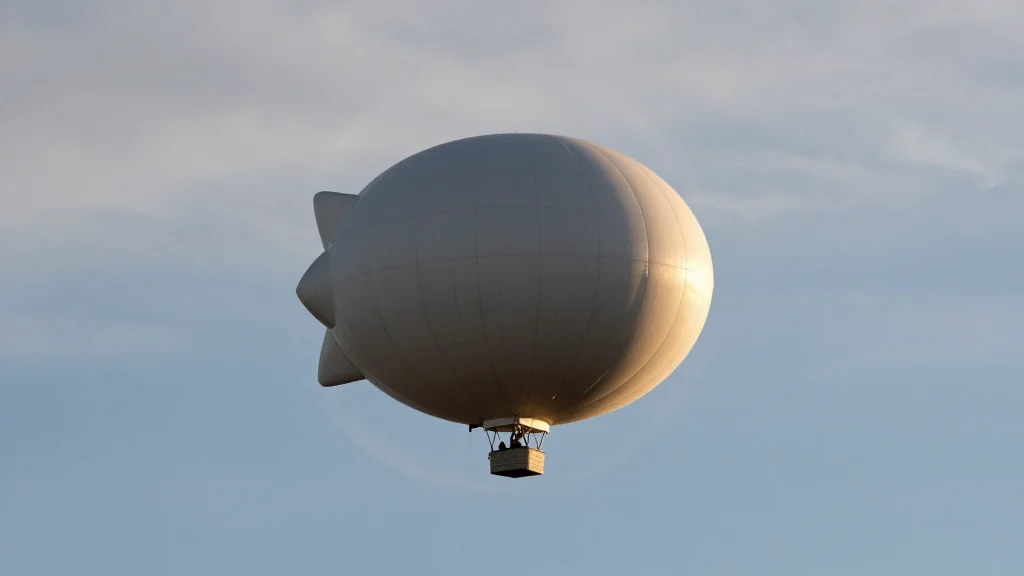
NASA and NOAA Find Organic Nanoparticles Dominate Lower Stratosphere Aerosols

Why It Matters
The detection of an organic‑rich nanoparticle cloud in the lower stratosphere forces a fundamental reassessment of how the upper atmosphere interacts with solar radiation and trace gases. Because aerosol surface area controls heterogeneous reactions that can deplete ozone and modify the lifetimes of methane and other greenhouse gases, the new data could shift projections of future warming and inform policy decisions on emissions controls. Beyond climate, the discovery opens a new frontier for nanoscience in the natural environment. Understanding how such particles form, persist, and influence chemistry at altitudes of 12‑19 miles may inspire novel materials research and improve the design of high‑altitude sensors that can monitor atmospheric health in real time.
Key Takeaways
- •NASA and NOAA report ultrafine organic nanoparticles make up ~90% of lower‑stratosphere aerosol surface area
- •Particles as small as 3 nm (0.003 µm) detected using WB‑57 aircraft mass‑spectrometry
- •SABRE mission sampled air at up to 19 km altitude in February 2023
- •Findings published in *Science* on April 23 2026, challenging sulfate‑only aerosol assumptions
- •Future flights in 2027 will map distribution and sources of the nanoparticles
Pulse Analysis
The SABRE mission’s breakthrough underscores a recurring theme in atmospheric science: the instruments we use shape the phenomena we see. By pushing detection limits down to three nanometers, NASA and NOAA have exposed a blind spot that has persisted for decades, much like the discovery of ultra‑fine particulate matter in urban smog reshaped air‑quality regulations in the early 2000s. The immediate implication is a recalibration of radiative‑forcing calculations; organic particles absorb and scatter light differently than sulfates, potentially altering the net cooling effect traditionally attributed to stratospheric aerosols.
From a competitive standpoint, the United States now holds a data advantage that could translate into leadership in next‑generation climate‑model development. European and Asian research programs will likely accelerate their own high‑altitude sampling campaigns to avoid falling behind in the emerging field of stratospheric nanochemistry. The open‑data pledge by NASA and NOAA may mitigate a data‑access race, but the analytical expertise required to integrate these findings into Earth‑system models will become a premium skill.
Looking ahead, the key question is whether the organic nanoparticle population is a transient feature tied to specific meteorological conditions or a persistent component of the stratospheric aerosol budget. If the latter, climate‑mitigation strategies that rely on engineered aerosol injection must account for complex organic chemistry that could amplify or dampen intended effects. The upcoming 2027 inter‑agency workshop will be a litmus test for how quickly the scientific community can translate this nanoscopic discovery into actionable climate policy.
NASA and NOAA Find Organic Nanoparticles Dominate Lower Stratosphere Aerosols
Comments
Want to join the conversation?
Loading comments...