Next Generation, Permanent DNA-Based Data Storage for the AI Age
•March 5, 2026
0
Why It Matters
DNA storage promises orders‑of‑magnitude higher density and longevity, addressing the looming capacity and sustainability limits of traditional tape and hard‑disk solutions. The partnership accelerates commercialization, potentially reshaping the data‑center ecosystem.
Key Takeaways
- •imec invests in Atlas, deepening strategic partnership
- •Chip integrates CMOS ASIC with dense DNA synthesis array
- •DNA storage could hold hundreds of petabytes per gram
- •Silicon scaling aims to boost synthesis throughput orders magnitude
- •DNA offers millennia‑long durability, eliminating media migration
Pulse Analysis
The exponential growth of AI‑generated data is outpacing the capabilities of conventional magnetic storage, which struggles with density ceilings, energy consumption, and inevitable media degradation. DNA, the biological molecule that has archived genetic information for billions of years, can compress vast digital archives into microscopic volumes—potentially storing hundreds of petabytes in a single gram. This intrinsic compactness, combined with near‑zero standby power and the ability to remain stable for millennia when encapsulated, makes DNA an attractive candidate for long‑term, sustainable data archiving, especially as enterprises seek to reduce carbon footprints and operational costs.
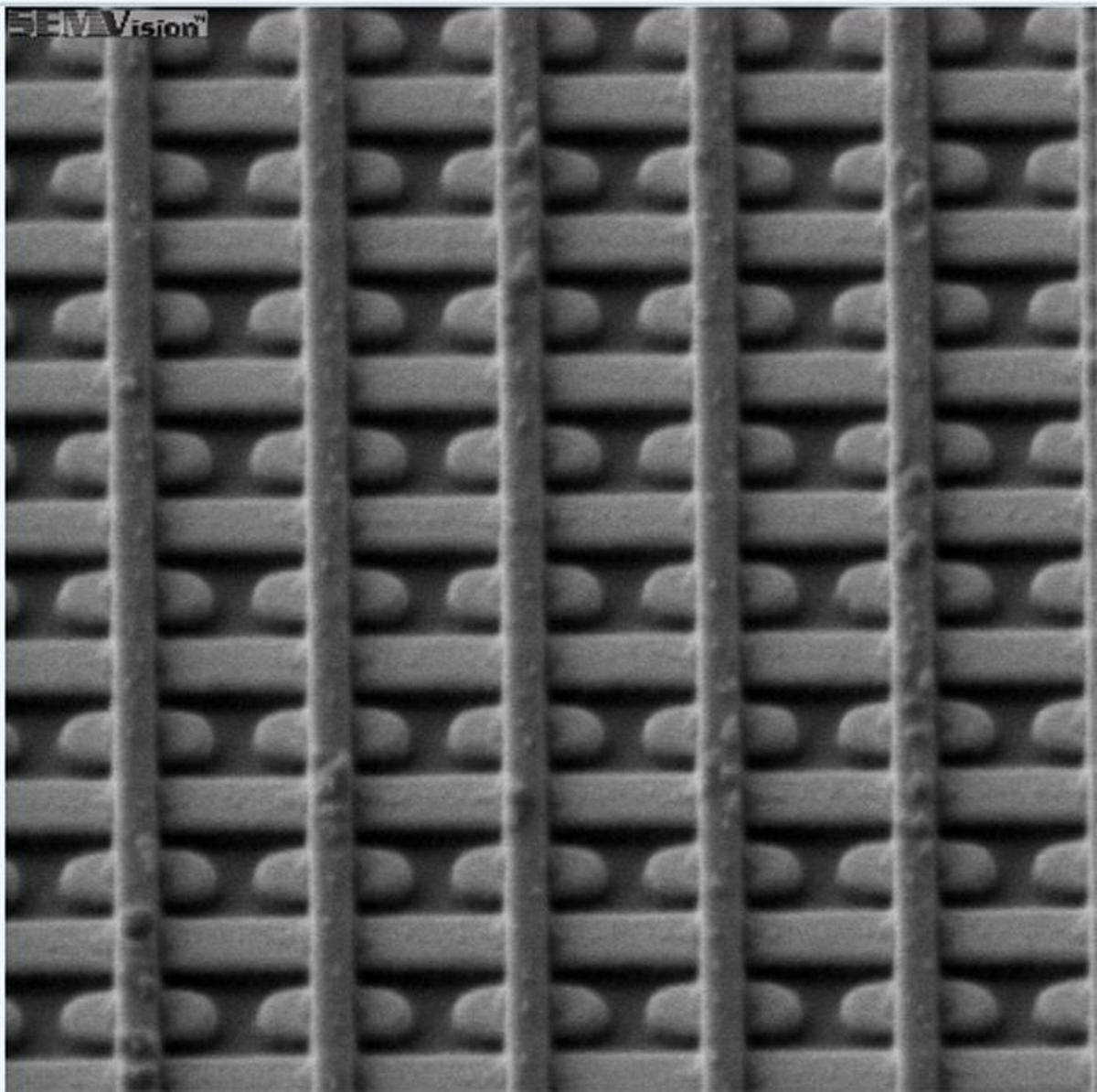
At the heart of this technological leap is the integration of silicon‑based CMOS ASICs with ultra‑dense electrochemical arrays, a feat achieved through imec’s 300 mm wafer platform and Atlas’s custom ASIC design. By monolithically fabricating millions of synthesis sites on a single chip, the partnership addresses the critical bottleneck of synthesis throughput, which must increase by several orders of magnitude to become commercially viable. The custom process flow developed to etch platinum devices at sub‑100 nm dimensions and to suppress leakage currents ensures reliable, high‑precision DNA writing, paving the way for batch‑scale production that rivals semiconductor manufacturing standards.
Beyond the engineering breakthrough, imec’s equity stake in Atlas signals a broader industry shift toward venture‑backed, cross‑disciplinary innovation. The collaboration not only provides Atlas with access to imec’s nano‑fabrication ecosystem and strategic business support but also positions both companies to capture emerging market demand for ultra‑dense, low‑energy storage solutions. As data centers confront mounting pressure to improve sustainability and reduce total cost of ownership, DNA‑based storage could become a cornerstone of next‑generation infrastructure, offering a durable, migration‑free alternative that aligns with long‑term digital preservation goals.
Next Generation, Permanent DNA-Based Data Storage for the AI Age
0
Comments
Want to join the conversation?
Loading comments...