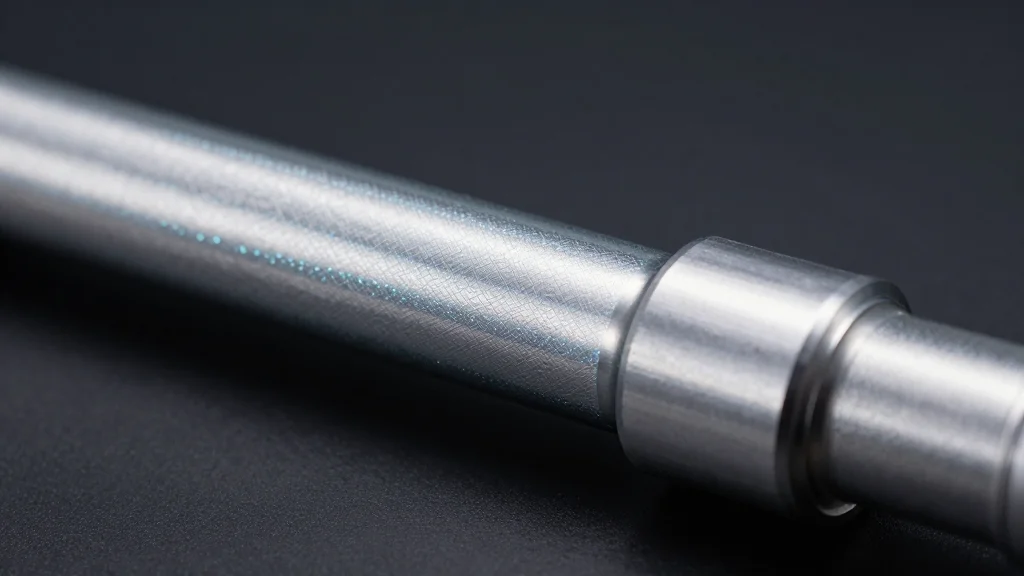
NIT Rourkela Unveils Nanocomposite That Boosts Landing‑Gear Strength by 65%

Companies Mentioned
Why It Matters
The breakthrough underscores how nanotechnology can resolve entrenched material trade‑offs in aerospace, delivering both weight savings and durability. By extending landing‑gear life, airlines stand to cut maintenance costs, improve aircraft availability, and lower carbon emissions associated with part replacement. The development also showcases India's growing capability in advanced materials research, positioning the country as a contributor to next‑generation aerospace supply chains. Beyond landing‑gear, the hybrid nanocomposite platform could be adapted for other high‑stress components such as wing‑spar inserts, engine brackets and space‑craft structures, amplifying its impact across the broader aerospace ecosystem. The success of this project may accelerate investment in nano‑reinforced alloys worldwide, prompting a shift toward more resilient, lightweight designs in both civil and defense aviation.
Key Takeaways
- •NIT Rourkela researchers created an aluminium‑based hybrid nanocomposite with ~65% higher wear resistance and strength.
- •Tests show a 65% reduction in wear track depth and comparable tensile strength gains over conventional aluminium alloys.
- •Material retains aluminium's low weight while approaching durability of heavier titanium alloys.
- •Potential to cut landing‑gear maintenance cycles by up to 30% and lower airline operating costs.
- •Pilot‑scale production planned for Q4 2026 with certification targets for commercial service by 2028.
Pulse Analysis
The NIT Rourkela nanocomposite arrives at a moment when the aerospace sector is under pressure to improve fuel efficiency while curbing operating expenses. Historically, the industry has toggled between lightweight aluminium and heavy, durable titanium, each with its own cost and performance profile. By embedding ceramic nanoparticles into an aluminium matrix, the researchers have effectively engineered a third option that delivers the best of both worlds. This mirrors a broader trend in nanomaterials where hybrid designs are replacing monolithic alloys, a shift that could ripple through the entire supply chain.
From a market perspective, the material’s compatibility with existing powder‑metallurgy processes is a game‑changer. OEMs can adopt the technology without overhauling their production lines, reducing the capital risk that typically stalls new material adoption. Smaller firms that specialize in nano‑powders may find a lucrative niche, while legacy alloy producers could face competitive pressure to diversify. The timing also aligns with airlines’ sustainability pledges; extending component life directly reduces waste and the carbon footprint of manufacturing new parts.
Looking ahead, the key hurdle will be regulatory certification. Aerospace components undergo rigorous testing under multiple load cases, and any new material must demonstrate consistent performance across temperature extremes and corrosive environments. If NIT Rourkela’s partnership with a regional powder‑producer and the planned defense‑aerospace validation succeed, the nanocomposite could set a precedent for rapid commercialization of academic nanotech breakthroughs. That would not only boost India’s reputation in high‑tech materials but also accelerate the global transition toward smarter, lighter, and longer‑lasting aerospace structures.
NIT Rourkela Unveils Nanocomposite That Boosts Landing‑Gear Strength by 65%
Comments
Want to join the conversation?
Loading comments...