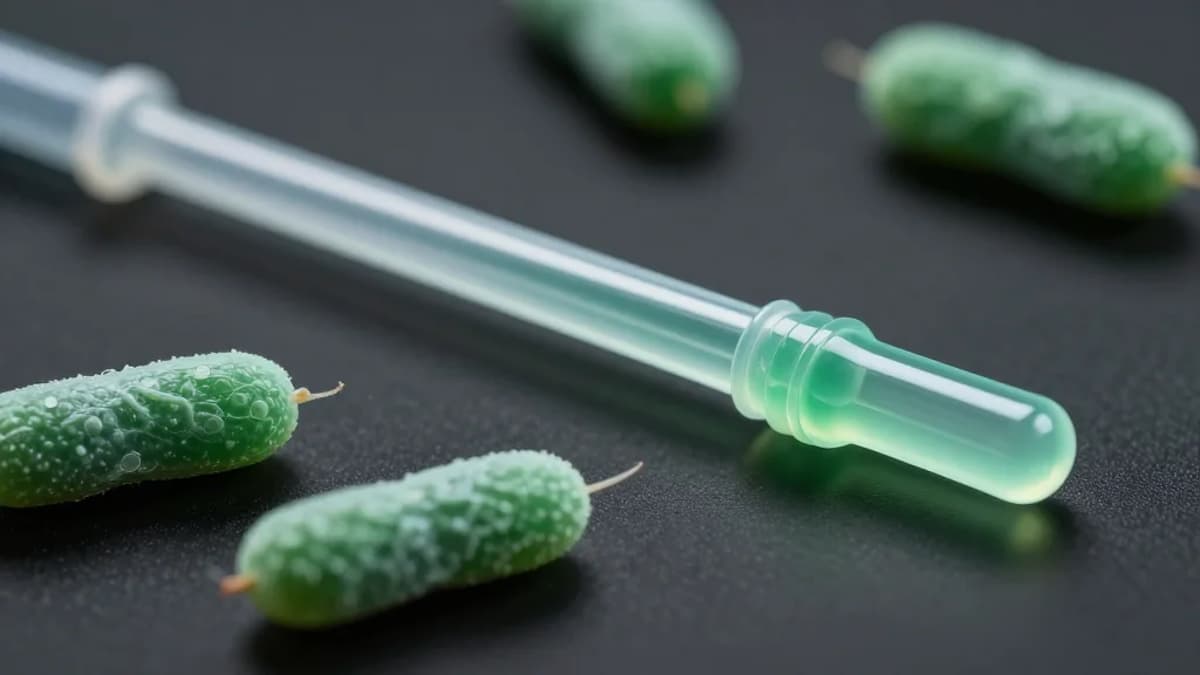
Peppermint Oil Plasma Coating Could Cut Catheter Infections without Releasing Drugs
•February 5, 2026
0
Why It Matters
Catheter‑associated infections drive significant morbidity, costs, and antibiotic resistance, so a drug‑free, bioactive coating could dramatically improve patient outcomes and reduce healthcare expenses. Its scalable, green manufacturing also aligns with sustainability goals in medical device production.
Key Takeaways
- •Peppermint oil plasma coating kills bacteria on contact
- •Coating removes up to 90% reactive oxygen species
- •No drug release; reduces antibiotic resistance risk
- •Compatible with human cells; supports tissue health
- •Scalable, renewable process works on diverse medical devices
Pulse Analysis
Catheter‑associated urinary tract infections remain one of the most prevalent hospital‑acquired complications, inflating patient stays and driving costly antibiotic use. Traditional antimicrobial strategies rely on drug‑eluting surfaces, which can leach chemicals and foster resistance. The Flinders team’s approach leverages the innate bioactivity of peppermint essential oil, transformed by atmospheric‑pressure plasma into a cross‑linked, ultra‑thin polymer that remains firmly attached to device substrates. This method preserves the oil’s functional groups while avoiding heat or solvent exposure, offering a novel, drug‑free barrier against pathogens.
In vitro experiments demonstrated rapid bactericidal action against key uropathogens such as *E. coli* and *Pseudomonas aeruginosa*, achieving up to 90 % reduction of reactive oxygen species that otherwise damage surrounding tissue. The coating also modulated immune signaling, decreasing pro‑inflammatory markers and enhancing anti‑inflammatory cues, which promotes a healing phenotype around the device. Importantly, human cell cultures maintained normal metabolic activity, confirming biocomibility. Moreover, the peppermint layer sensitized bacteria to conventional antibiotics like colistin and levofloxacin, suggesting a synergistic pathway to curb emerging resistance.
Beyond catheters, the plasma‑polymerized peppermint film can be applied to orthopedic implants, long‑term vascular grafts, and other clinical devices, offering a versatile, environmentally sustainable solution. The process draws minimal energy, can be powered entirely by renewable sources, and eliminates hazardous solvents, aligning with the medical industry’s push toward greener manufacturing. As the technology moves toward commercialization, it promises to reduce infection‑related costs, improve patient comfort, and set a precedent for natural‑compound‑based medical coatings in a market increasingly focused on safety and sustainability.
Peppermint oil plasma coating could cut catheter infections without releasing drugs
0
Comments
Want to join the conversation?
Loading comments...