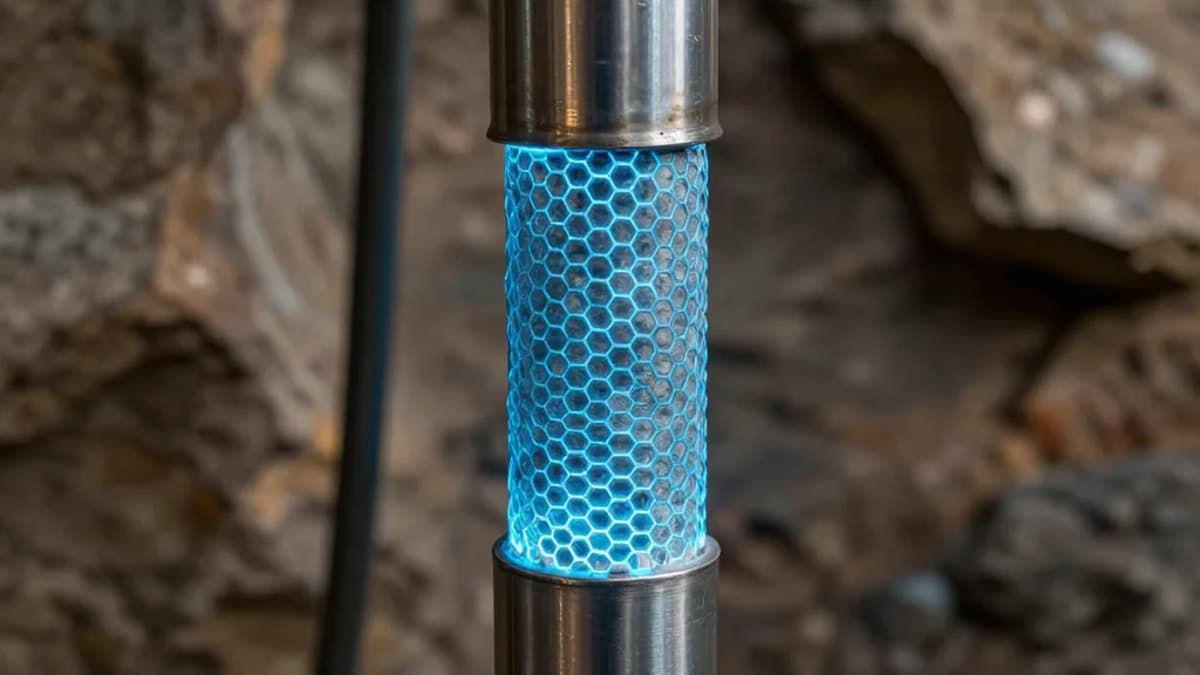
Plaid Technologies Announces Graphene-Enhanced Cement Platform Progress
•January 17, 2026
0
Companies Mentioned

Why It Matters
The simplified, scalable additive tackles methane‑leaking wells while leveraging existing field infrastructure, delivering economic and environmental benefits to the industry.
Key Takeaways
- •Graphene additive integrates with standard cement handling
- •Eliminates need for mechanical modification equipment
- •Centralized production improves consistency and reduces field variability
- •Scales quickly using existing oilfield logistics
- •Supports lower costs and smaller environmental footprint
Pulse Analysis
Graphene’s exceptional strength and thermal properties have long promised to revolutionize wellbore cement, a critical barrier against methane emissions from aging oil and gas wells. Plaid Technologies’ latest advancement embeds graphene layers directly into a cement blend, creating a fortified additive that behaves like traditional cement powders. By sidestepping the cumbersome mechanical modification process, the company not only simplifies logistics but also positions graphene‑enhanced cement for faster regulatory acceptance and broader field trials.
Operationally, the ready‑to‑blend additive aligns with standard weight formats, storage protocols, and mixing equipment already deployed at drilling sites. This compatibility eliminates the need for dedicated power sources and on‑site mechanical rigs, cutting installation time and reducing labor costs. Centralized production under monitored conditions ensures uniform formulation, mitigating the variability that has plagued field‑based modifications. The result is a more predictable performance profile, essential for long‑term wellbore integrity and for meeting the industry’s growing sustainability targets.
From a market perspective, Plaid’s shift to a scalable, low‑burden solution could accelerate commercial rollout and attract major oilfield service providers seeking cost‑effective emissions mitigation tools. The company’s pursuit of intellectual property protection around the prepared additive further strengthens its defensible moat. As regulators tighten methane‑leakage standards, the combination of technical efficacy, operational simplicity, and environmental advantage positions Plaid to capture a significant share of the emerging graphene‑enhanced cement market.
Plaid Technologies announces graphene-enhanced cement platform progress
0
Comments
Want to join the conversation?
Loading comments...