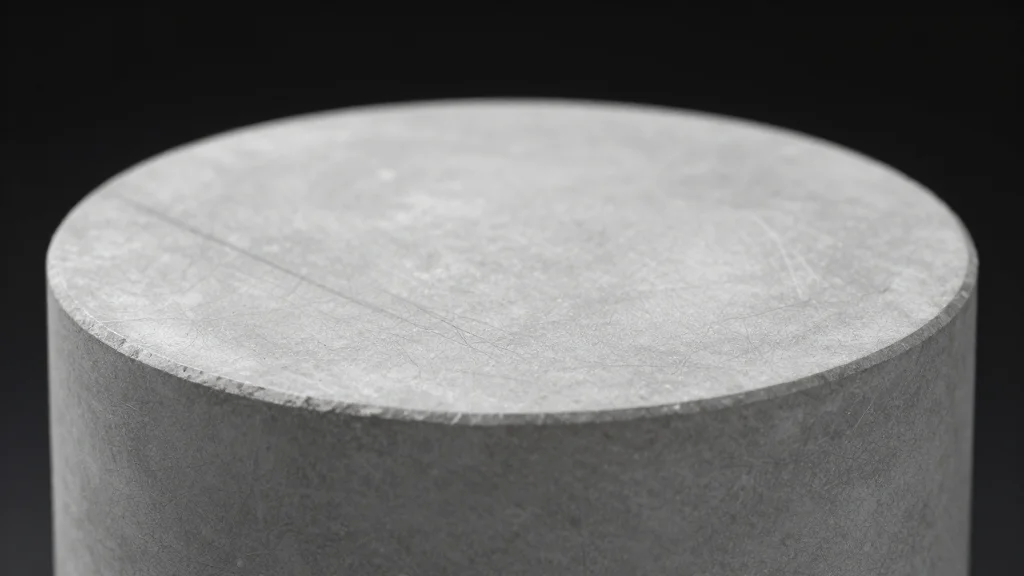
Plaid Technologies Shares Updates on Graphene-Enhanced Concrete Testing
Companies Mentioned
Why It Matters
Plaid‑GCC could dramatically shorten construction schedules while slashing CO₂ emissions, giving contractors a tool to meet tighter deadlines and sustainability mandates. Its adoption would address labor bottlenecks and regulatory pressure across multiple high‑value sectors.
Key Takeaways
- •33% faster cure: strength in 8‑10 hours vs 24‑32 hours
- •Up to 50% carbon emissions reduction versus traditional cement
- •30‑50% less concrete needed for same structural performance
- •Targets oil‑gas well plugging, infrastructure, marine and chemical facilities
Pulse Analysis
The construction sector is at a crossroads, grappling with record‑high infrastructure budgets, chronic labor shortages, and mounting pressure to lower carbon footprints. Traditional Portland cement, responsible for roughly 8% of global CO₂ emissions, is increasingly scrutinized under new carbon pricing schemes. In this climate, materials that can deliver strength faster and with fewer emissions are becoming strategic assets, prompting innovators to explore nanomaterials such as graphene, whose exceptional strength‑to‑weight ratio and conductivity promise transformative performance gains.
Plaid Technologies’ graphene‑enhanced concrete composite, Plaid‑GCC, leverages a proprietary dispersion of graphene flakes within the cement matrix to accelerate hydration and improve micro‑structural density. Lab results show the mix reaches regulatory‑compliant strength in 8‑10 hours—about a third faster than conventional mixes—while cutting embodied carbon by up to half and reducing the volume of concrete required by 30‑50% for comparable load‑bearing capacity. These improvements translate into shorter project timelines, lower material costs, and easier compliance with tightening environmental standards, positioning Plaid‑GCC as a premium yet cost‑effective alternative for time‑critical builds.
Looking ahead, Plaid is targeting three high‑value segments: oil‑and‑gas well cementing, where rapid set times can speed well abandonment and reduce plugging expenses; large‑scale infrastructure projects such as bridges and tunnels that benefit from accelerated construction and longer service life; and specialty industrial environments like marine and chemical facilities that demand superior durability. By forging licensing and supply partnerships with established material distributors, Plaid aims to scale quickly across North America before expanding globally. If field trials confirm laboratory promises, the technology could reshape cement markets, offering a viable pathway for the industry to meet both productivity and sustainability goals.
Plaid Technologies shares updates on graphene-enhanced concrete testing
Comments
Want to join the conversation?
Loading comments...