Printable Potentiometric Ion‐Selective Electrodes Based on Carbon Fiber and Ti3C2Tx MXene Nanoflakes: Eliminating Complex Modifications
•February 6, 2026
0
Companies Mentioned

Why It Matters
By simplifying fabrication and enabling flexible printing, MXene‑based ISEs can accelerate deployment of affordable point‑of‑care and environmental monitoring devices.
Key Takeaways
- •MXene replaces polyelectrolyte layers in carbon fiber ISEs
- •Screen‑printed MXene ISEs work on flexible PVC
- •Sensors detect Ca²⁺ in milk, sparkling water, seawater
- •MXene provides high conductivity and printability
- •Eliminates complex fabrication, reducing cost and time
Pulse Analysis
Portable electrochemical sensors are increasingly vital for real‑time ion monitoring in both environmental and clinical settings. Traditional ion‑selective electrodes rely on polymer membranes coupled with conductive substrates and often require multiple polymeric transducer layers, which add manufacturing complexity and cost. The introduction of Ti₃C₂Tx MXene nanoflakes—known for their metallic conductivity and solution processability—offers a compelling alternative, allowing direct integration onto carbon fiber electrodes without additional polyelectrolyte coatings.
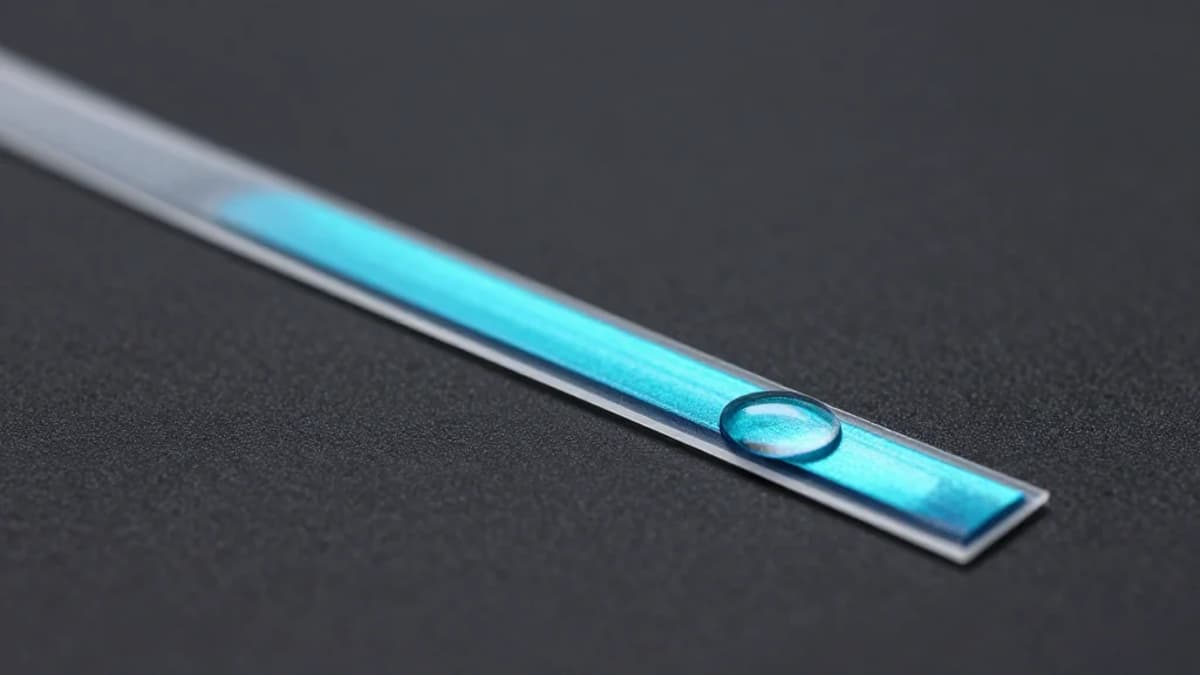
In the study, researchers fabricated two MXene‑centric designs: a bare MXene film on glass and a screen‑printed MXene ISE on a flexible PVC substrate. Both configurations targeted Ca²⁺ detection and were evaluated in challenging media such as milk, sparkling water, and seawater. Performance metrics revealed that MXene‑based electrodes maintained linear response ranges and detection limits on par with, or superior to, conventional carbon fiber ISEs that employ Ag/AgCl and PSS/PEI transducers. Moreover, the screen‑printed variant demonstrated mechanical resilience and conformability, essential for wearable or disposable sensor platforms.
The broader implication is a shift toward cost‑effective, scalable manufacturing of ion sensors. MXene’s compatibility with ink‑jet and screen‑printing techniques reduces material waste and shortens production cycles, making large‑volume deployment feasible for point‑of‑care diagnostics and continuous environmental surveillance. As regulatory pressures push for rapid, on‑site testing, MXene‑enabled ISEs could become a cornerstone technology, driving market growth in flexible electronics and personalized health monitoring.
Printable Potentiometric Ion‐Selective Electrodes Based on Carbon Fiber and Ti3C2Tx MXene Nanoflakes: Eliminating Complex Modifications
0
Comments
Want to join the conversation?
Loading comments...