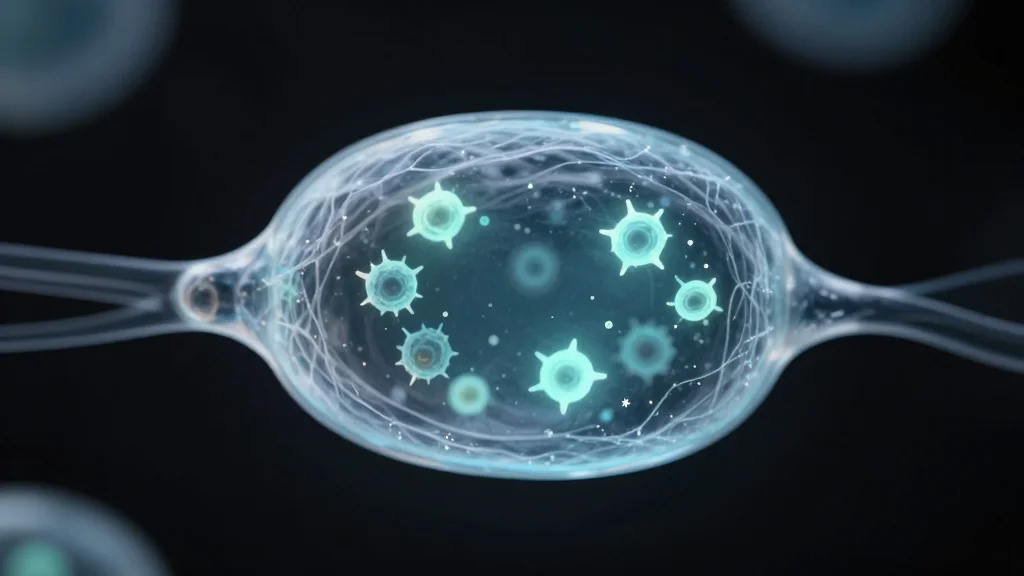
Programmable RNA Nanostar Condensates in Cells
Why It Matters
Programmable RNA condensates give biotech firms a non‑viral, modular tool to create custom intracellular compartments, accelerating synthetic‑biology applications and RNA‑based therapeutics.
Key Takeaways
- •RNA nanostars self‑assemble into condensates within mammalian cytoplasm.
- •Condensate size and dynamics tuned by stem‑loop design.
- •Programmable condensates enable spatial control of enzymatic reactions.
- •Platform offers a reversible, non‑viral tool for synthetic organelles.
- •Potential to accelerate therapeutic RNA delivery and disease modeling.
Pulse Analysis
Biomolecular condensates have reshaped our understanding of cellular organization, with phase‑separation mechanisms driving everything from stress granules to transcription hubs. While protein‑driven condensates dominate the literature, RNA’s intrinsic ability to form multivalent interactions offers a complementary route to engineer synthetic compartments. Recent advances in RNA nanotechnology—particularly the design of branched nanostars—enable precise control over valency and binding geometry, laying the groundwork for programmable condensate formation.
In the new study, the authors crafted RNA nanostars comprising four arms, each terminating in complementary sticky ends. By swapping stem‑loop sequences, they modulated interaction strength, producing condensates ranging from 200 nm to several microns with tunable fluidity. Live‑cell fluorescence microscopy revealed rapid assembly within minutes of transcription, while FRAP assays quantified diffusion rates that could be halved or doubled on cue. Compared with protein‑based systems, the RNA platform is fully reversible, avoids immunogenicity, and can be co‑expressed with therapeutic RNAs, opening avenues for on‑demand enzymatic scaffolding or metabolic channeling.
The commercial implications are significant. Synthetic organelles built from RNA nanostars could serve as delivery vehicles for CRISPR components, mRNA vaccines, or enzyme cascades, reducing reliance on viral vectors and lipid nanoparticles. Moreover, the ability to program condensate dynamics offers a new layer of control for cell‑based therapies and disease‑modeling platforms, where spatial compartmentalization influences phenotype. As the biotech sector seeks scalable, safe, and adaptable intracellular tools, RNA‑driven condensates are poised to become a cornerstone of next‑generation therapeutic design.
Programmable RNA nanostar condensates in cells
Comments
Want to join the conversation?
Loading comments...