QUT Researchers Secure Funding to Turn Waste Into Graphene Cooling Materials
•February 5, 2026
0


Why It Matters
Effective thermal management is critical for high‑performance batteries and electronics, and a cheap, sustainable graphene solution could accelerate adoption of electric vehicles and renewable storage. The project also showcases a scalable route to valorise waste, aligning profitability with climate goals.
Key Takeaways
- •AU$2.7M funding for seven QUT research teams
- •Project converts waste into graphene via laser process
- •Resulting graphene sheets serve as flexible thermal interface
- •Targets battery packs and electronics heat management
- •Offers cost‑effective, eco‑friendly alternative to current materials
Pulse Analysis
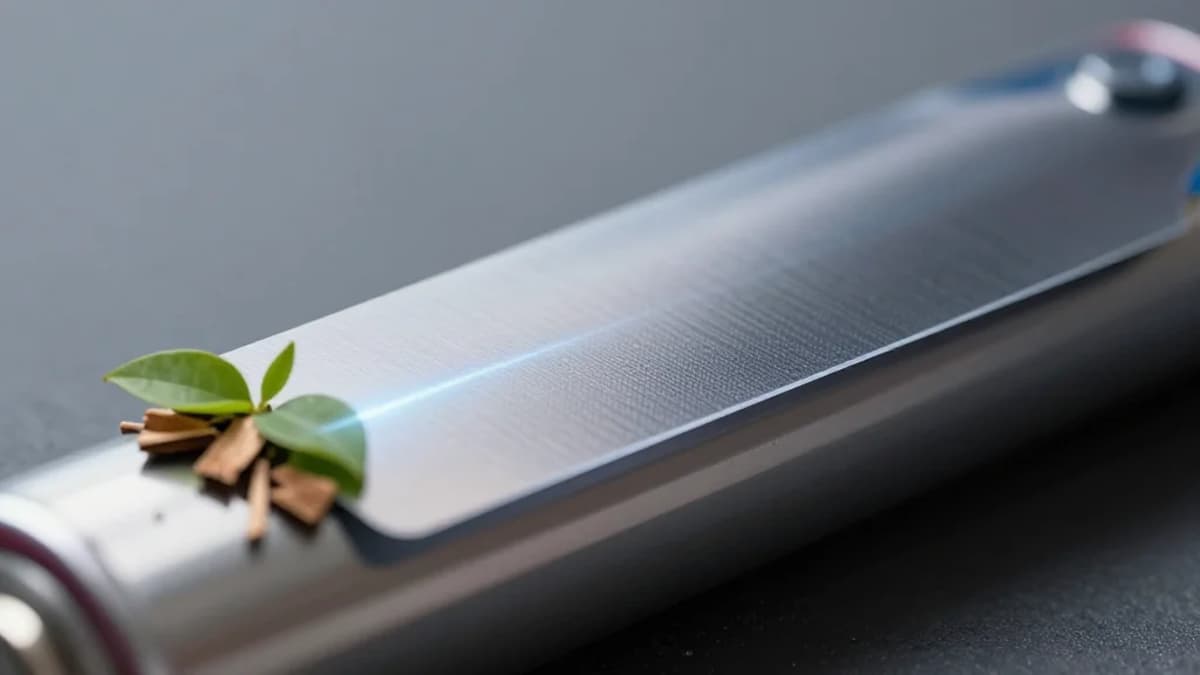
Australia’s push to commercialise high‑impact research has found a promising niche in graphene production from waste. The Ignite program’s AU$2.7 million injection supports QUT’s interdisciplinary team, which blends chemistry, physics and engineering to turn everyday organic residues—leaves, sawdust, food scraps—into high‑purity graphene using a precision laser. This approach sidesteps traditional, energy‑intensive graphene synthesis methods, dramatically lowering material costs while simultaneously diverting biomass from landfills.
The resulting graphene sheets are thin, flexible, and possess exceptional thermal conductivity, making them ideal as thermal interface materials (TIMs) for next‑generation battery packs and compact electronics. By compressing laser‑derived graphene into large‑area films, the researchers create a conformal layer that efficiently spreads heat, mitigating hotspots that degrade performance and safety. Compared with conventional TIMs such as silicone or metal‑based pads, these graphene films promise higher heat‑transfer rates, lighter weight, and longer service life, addressing a critical bottleneck in electric‑vehicle and renewable‑energy storage technologies.
From a market perspective, the technology aligns with growing demand for sustainable, high‑performance cooling solutions across sectors ranging from consumer gadgets to aerospace. Its low‑cost feedstock and scalable laser process could accelerate adoption, offering manufacturers a greener alternative without sacrificing performance. If commercialised, the innovation could reshape supply chains for thermal management, reduce reliance on rare‑earth materials, and contribute to broader circular‑economy objectives, positioning Australia as a leader in eco‑forward materials science.
QUT researchers secure funding to turn waste into graphene cooling materials
0
Comments
Want to join the conversation?
Loading comments...