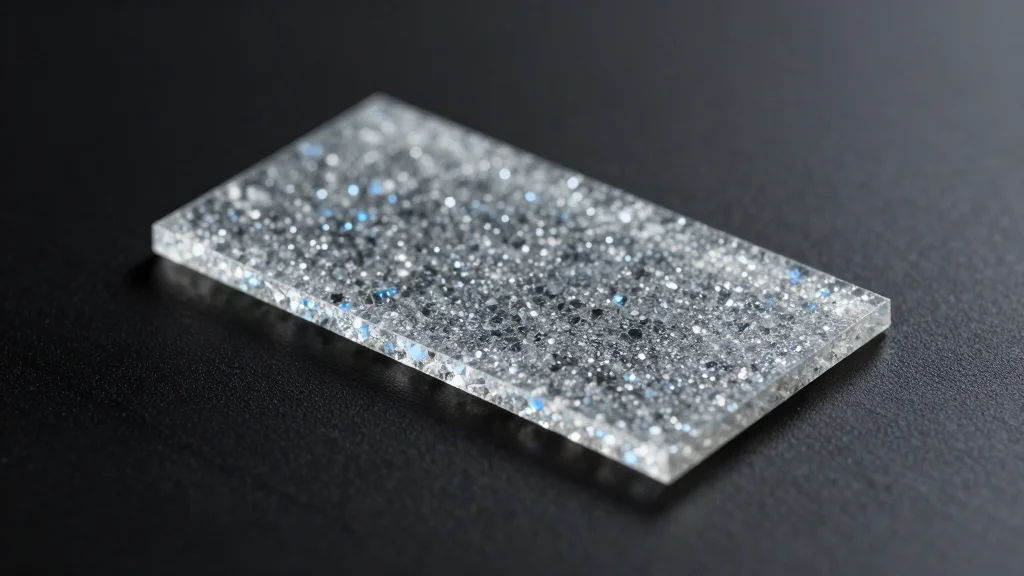
Researchers Map Hidden Order in Boron‑Doped Diamond, Paving Way for Quantum Chip Superconductors

Companies Mentioned
Why It Matters
The ability to engineer superconductivity in boron‑doped diamond addresses a fundamental barrier in quantum hardware: the need for ultra‑low temperatures. By offering a material that combines superconductivity with diamond’s exceptional mechanical and thermal properties, the discovery could lower system costs, improve device robustness, and enable new architectures that integrate photonics and spin qubits on a single substrate. This could accelerate the commercialization of quantum technologies across defense, finance and pharmaceutical sectors. Beyond quantum computing, the findings may impact other fields that rely on high‑performance superconductors, such as high‑field MRI, particle accelerators and power transmission. A tunable, high‑temperature diamond superconductor could provide a versatile platform for a range of next‑generation applications.
Key Takeaways
- •University of Chicago, Penn State and DOE Q‑NEXT identified intrinsic granularity in boron‑doped diamond thin films.
- •The granular “puddles” can be stitched together by controlling strain, orientation and doping density.
- •Discovery offers a roadmap to design diamond superconductors that operate at higher temperatures than traditional materials.
- •Potential to reduce reliance on dilution refrigerators, lowering quantum hardware cost and size.
- •Next phase: prototype quantum chips using engineered diamond films to test coherence and scalability.
Pulse Analysis
The diamond breakthrough marks a rare convergence of materials science and quantum engineering. Historically, superconducting qubits have depended on metals like niobium, which require temperatures below 20 mK to maintain coherence. While incremental improvements in cryogenic engineering have pushed performance, the fundamental temperature ceiling remains a cost and integration hurdle. By demonstrating that a hard, thermally conductive crystal can be deliberately patterned into a superconducting network, the researchers have introduced a new design dimension that could reshape the hardware stack.
From a market perspective, the finding could catalyze a shift in capital allocation. Venture capital and corporate R&D have poured billions into silicon‑based quantum processors and cryogenic infrastructure; a viable diamond platform would re‑balance those investments toward advanced materials synthesis and wafer‑scale deposition equipment. Moreover, the involvement of the DOE’s Q‑NEXT facility suggests that federal funding pipelines may soon prioritize diamond‑based prototypes, potentially accelerating the timeline for pilot production.
Looking ahead, the critical test will be whether the engineered granularity can be reproduced at industrial scale without sacrificing the delicate superconducting pathways. If successful, diamond could become the substrate of choice for hybrid quantum systems that blend superconducting circuits with photonic and spin‑based qubits, unlocking multimodal architectures that are currently speculative. The next 12‑18 months will likely see a flurry of prototype demonstrations, partnership announcements, and perhaps the first patents filing on “designer diamond superconductors,” setting the stage for a new competitive frontier in quantum hardware.
Researchers Map Hidden Order in Boron‑Doped Diamond, Paving Way for Quantum Chip Superconductors
Comments
Want to join the conversation?
Loading comments...