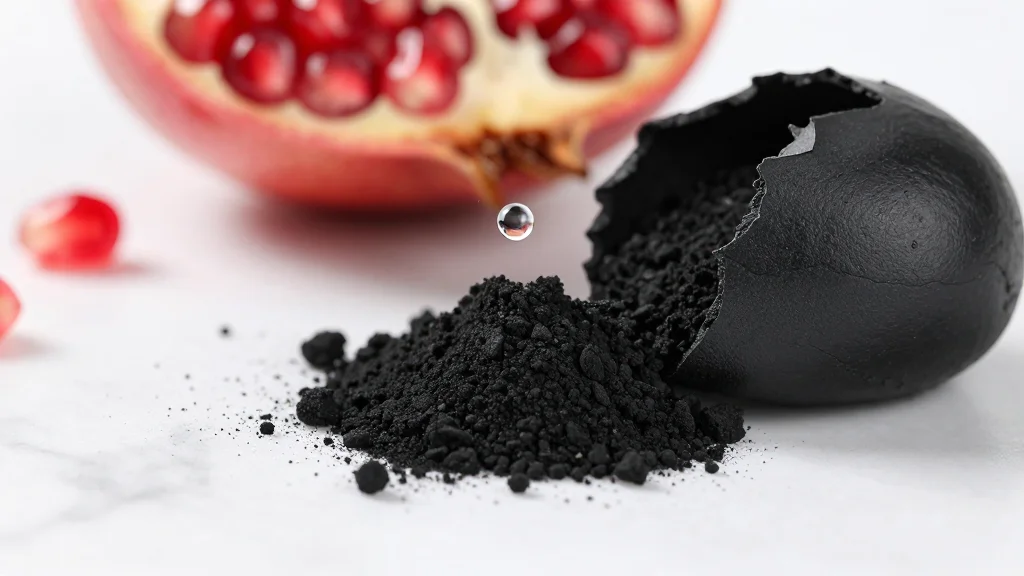
Researchers Upcycle Pomegranate Peel Into High-Performance Water Purifier
Why It Matters
The breakthrough offers a low‑cost, environmentally friendly alternative to energy‑intensive water‑treatment methods, turning agricultural waste into a valuable pollutant‑removal resource. Its scalability could lower operating expenses for industries facing strict discharge regulations.
Key Takeaways
- •Nanobiochar from pomegranate peel removes 94% of 4‑NP in 90 minutes
- •Production avoids chemical activators, using heat, ball milling, ultrasonication
- •Material retains 86% removal efficiency after three reuse cycles
- •Researchers are testing performance on real industrial wastewater
- •Approach turns fruit waste into low‑cost, sustainable water treatment material
Pulse Analysis
The upcycling of pomegranate peel into nanobiochar reflects a growing trend of circular‑economy solutions in environmental engineering. By leveraging a ubiquitous food‑waste stream, the NUS team sidesteps the costly chemical activation steps that dominate conventional activated‑carbon production. The resulting high‑surface‑area carbon nanostructure provides abundant active sites for adsorbing small organic contaminants such as 4‑nitrophenol, a toxic by‑product of pesticide and dye manufacturing that persists in waterways and threatens ecosystems.
Performance metrics place the nanobiochar ahead of many existing adsorbents. A single 90‑minute treatment cycle achieved over 94% removal of 4‑NP, while simple alkaline washing restored most of its capacity, preserving 85.76% efficiency after three cycles. Compared with chemical oxidation or biological degradation, the sorbent requires minimal energy input and produces no secondary waste, aligning with sustainability goals and reducing operational costs for treatment facilities. Its production relies on thermal carbonization at 600 °C followed by mechanical size reduction, processes that can be integrated into existing waste‑to‑energy infrastructure.
If the technology scales successfully, it could reshape the industrial wastewater market, especially for sectors subject to stringent pollutant limits. The low material cost—derived from otherwise discarded fruit skins—offers a compelling economic case for adoption in developing regions where treatment budgets are tight. Ongoing pilot studies on real effluents will determine the sorbent’s robustness against complex contaminant mixtures, while partnerships with municipal utilities could accelerate commercialization. Ultimately, this innovation exemplifies how waste valorization can deliver both environmental and financial dividends, positioning nanobiochar as a viable, green alternative for next‑generation water purification.
Researchers upcycle pomegranate peel into high-performance water purifier
Comments
Want to join the conversation?
Loading comments...