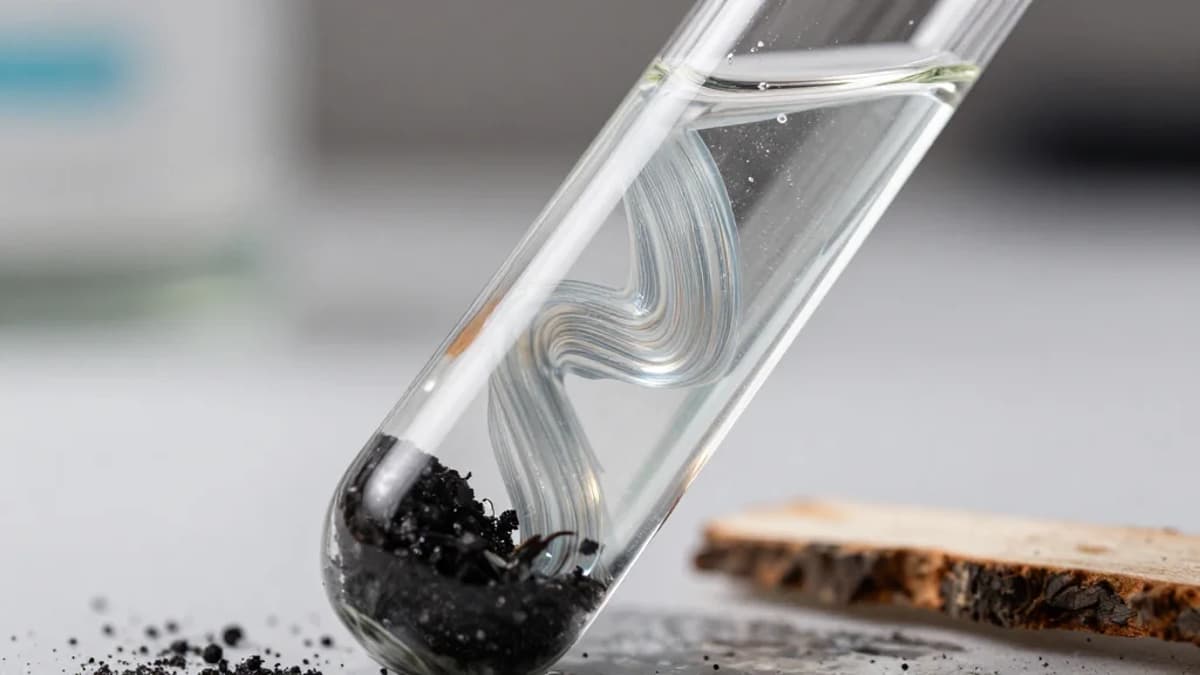
Researchers Use Agricultural Waste to Produce Graphene
•January 26, 2026
0
Why It Matters
A catalyst‑free, water‑based graphene synthesis cuts energy use and chemical waste, making large‑scale production more environmentally and economically viable for sectors ranging from electronics to renewable energy.
Key Takeaways
- •Bio‑char from wood yields high‑quality graphene
- •Vortex fluidic device enables catalyst‑free exfoliation
- •Water used as sole solvent, enhancing sustainability
- •Process operates below 900 °C, reducing energy demand
- •Method offers low‑cost route for circular‑economy graphene
Pulse Analysis
Graphene’s exceptional conductivity and strength have driven demand across electronics, energy storage, and composites, but traditional production relies on petroleum‑derived feedstocks, high‑temperature furnaces, and hazardous chemicals. These legacy processes contribute significant carbon emissions and generate toxic waste, raising concerns for manufacturers seeking greener supply chains. As regulatory pressure mounts and consumers prioritize sustainability, the industry is actively scouting alternatives that can deliver comparable material performance without the environmental penalty.
The breakthrough from James Cook and Flinders universities leverages nanocellulose—an abundant, renewable polymer extracted from woody biomass—to create bio‑char, which is then processed in a vortex fluidic device. The VFD’s rapid rotation creates controlled shear forces, enabling precise layer separation while using only water as a solvent. Operating at 500‑800 °C, the method stays well under the energy‑intensive thresholds of conventional graphene synthesis, and the absence of catalysts eliminates costly purification steps. Laboratory analyses confirm that the graphene’s lattice structure and surface area rival those produced from graphite, validating the approach’s technical merit.
If scaled, this technology could reshape the graphene value chain by turning agricultural residues, such as sugarcane fiber or sawdust, into high‑value carbon materials. Lower production costs and reduced environmental impact align with circular‑economy goals, encouraging adoption in sectors like battery electrodes, flexible displays, and lightweight composites. Challenges remain in continuous‑flow reactor design and consistent feedstock quality, but ongoing collaborations with industry partners aim to address these hurdles. Successful commercialization would not only diversify graphene sources but also provide a new revenue stream for waste‑rich agricultural regions, reinforcing the economic case for sustainable nanomaterials.
Researchers use agricultural waste to produce graphene
0
Comments
Want to join the conversation?
Loading comments...