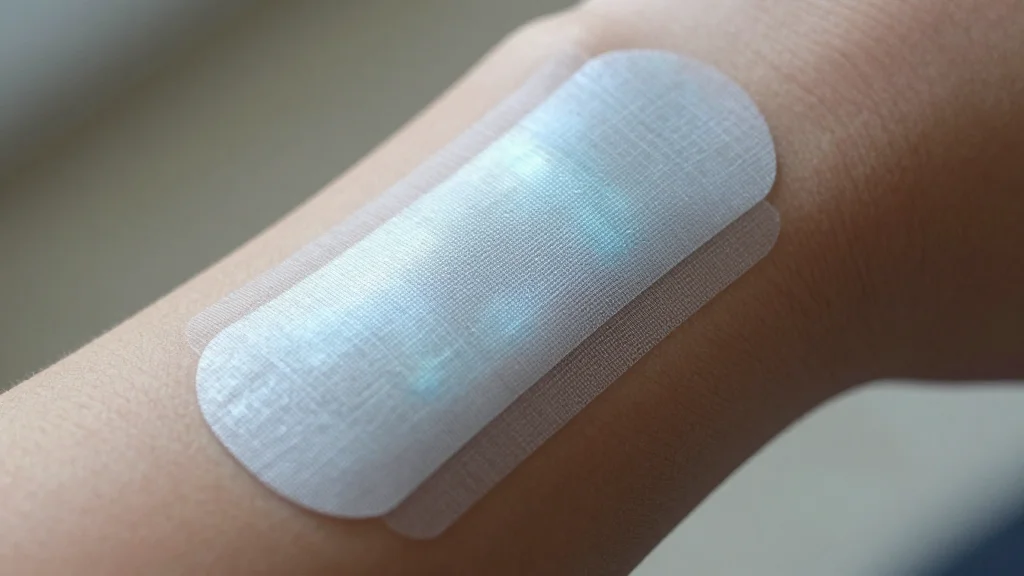
Self‑Adhesive Nanofiber Electrode Merges PEDOT and Polyurethane for Next‑Gen Wearables

Why It Matters
The electrode’s self‑adhesive property removes a major friction point—literally and figuratively—in the deployment of continuous health‑monitoring devices. By eliminating gels and tapes, manufacturers can produce slimmer, lighter wearables that users are more likely to keep on for days or weeks, expanding the data set available for personalized medicine and remote diagnostics. Moreover, the material’s durability under strain addresses a key limitation for implantable sensors that must survive the dynamic environment of the human body. Beyond healthcare, the technology could impact soft‑robotics control, human‑machine interfaces and even sports performance monitoring, where reliable, low‑impedance contact is essential. The convergence of conductive polymers and stretchable adhesives signals a broader shift toward truly bio‑integrated electronics that function seamlessly with living tissue.
Key Takeaways
- •Researchers Fukuzawa, Ushimaru and Yamagishi created a self‑adhesive nanofiber electrode blending self‑doped PEDOT and polyurethane
- •Electrospun nanofiber matrix provides high surface area, breathability and stretchability
- •Device adheres to skin without external gels, reducing irritation and adhesive failure
- •Low skin‑contact impedance enables high‑quality ECG, EMG and EEG recordings
- •Prototype moving toward animal studies and potential commercial scaling
Pulse Analysis
The nanofiber electrode represents a convergence of two trends that have been shaping the flexible electronics market: the rise of conductive polymers as alternatives to metals, and the push for truly stretchable, skin‑compatible substrates. Self‑doped PEDOT sidesteps the stability issues of traditional doped variants, while polyurethane offers a proven track record in medical adhesives. By marrying these materials at the nanoscale, the researchers have effectively engineered a composite that satisfies the electrical, mechanical and biocompatibility criteria that have historically been at odds.
From a market perspective, the elimination of external adhesives could lower bill‑of‑materials costs and simplify assembly lines for wearable manufacturers. Companies that have struggled with adhesive‑related failures—particularly in high‑sweat environments like sports wearables—may find a ready‑made solution in this technology. However, scaling electrospinning to volume production remains a technical hurdle; the process must achieve uniform fiber diameters and consistent PEDOT loading across large batches to meet industrial quality standards.
Looking ahead, the electrode’s ability to maintain low impedance under strain positions it well for integration with emerging AI‑driven health platforms that rely on continuous, high‑resolution data streams. If the upcoming animal and human trials confirm long‑term stability, we could see a rapid rollout in both consumer health trackers and clinical monitoring devices, potentially reshaping the competitive landscape for companies that have invested heavily in gel‑based electrode technologies.
Self‑Adhesive Nanofiber Electrode Merges PEDOT and Polyurethane for Next‑Gen Wearables
Comments
Want to join the conversation?
Loading comments...