Super Moisture‐Sorbent Zwitterionic Polyelectrolyte Hydrogel for Ultra‐Efficient Atmospheric Water Harvesting
•March 2, 2026
0
Why It Matters
The breakthrough dramatically boosts water‑capture efficiency while lowering energy demand, making scalable atmospheric water harvesting more viable for water‑scarce regions and agricultural applications.
Key Takeaways
- •Hydrogel composite absorbs 16.33 g/g at 90 % RH
- •Absorption capacity up 322 % versus baseline
- •Desorbs 83 % moisture in 2 h at 40 °C
- •3D porous AAF enhances heat and mass transfer
- •Field test irrigated plants for 10 days
Pulse Analysis
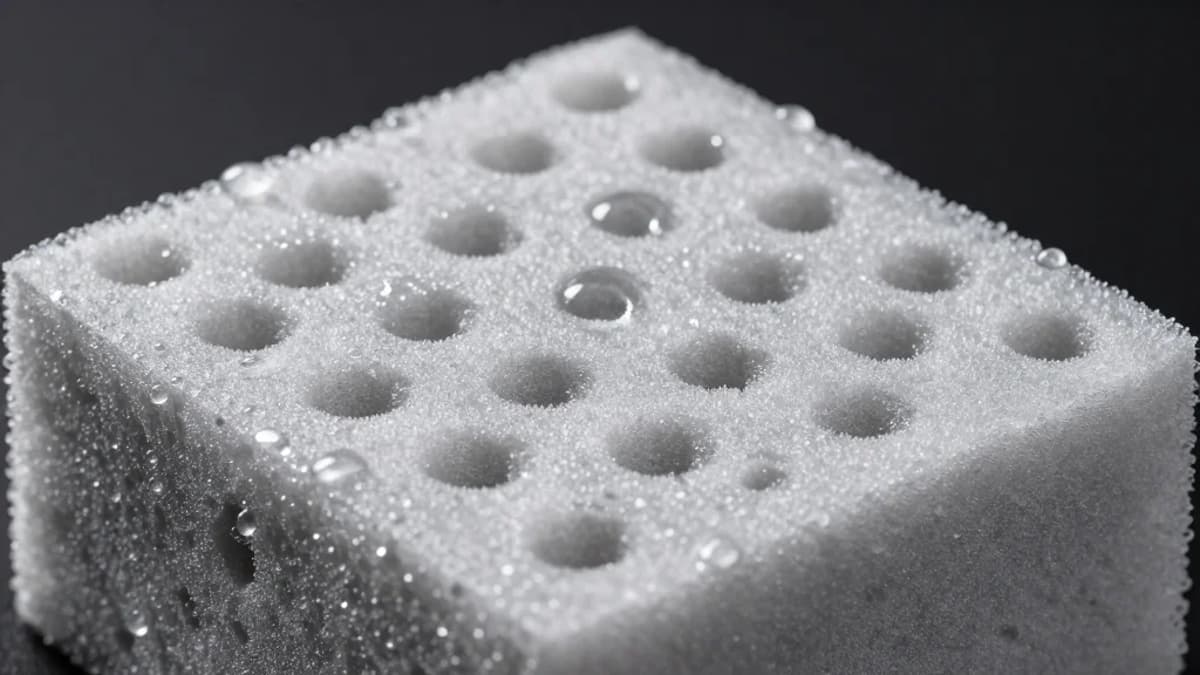
Atmospheric water harvesting (AWH) has emerged as a promising solution to global freshwater shortages, but its commercial adoption hinges on materials that can capture moisture quickly and release it with minimal energy. The newly engineered LC‑PIL‑SO3Li‑CNT@AAF composite tackles both challenges by marrying a zwitterionic polyelectrolyte hydrogel with a hierarchical anodized aluminum foam scaffold. This 3‑dimensional architecture expands the active surface area, reduces thermal resistance, and accelerates mass transfer, enabling the system to adsorb 16.33 grams of water per gram of hydrogel at 90 % relative humidity—an increase of more than threefold compared with conventional 2‑D hydrogels.
Beyond sheer capacity, the composite’s low‑temperature desorption performance is a game‑changer for energy‑intensive AWH cycles. At just 40 °C, the material releases over 83 % of its captured moisture within two hours, eliminating the need for high‑grade heat sources or complex regeneration equipment. This efficiency aligns with the growing demand for sustainable, off‑grid water solutions in arid and semi‑arid regions, where solar‑thermal or waste‑heat integration can further lower operational costs.
The real‑world relevance of the technology was demonstrated in a ten‑day field trial that powered a plant‑irrigation device, confirming the composite’s durability and consistent output under fluctuating ambient conditions. As climate change intensifies water stress, such high‑performance, low‑energy AWH materials could reshape agricultural water management and support decentralized water infrastructure, positioning them as strategic assets for governments, agribusinesses, and clean‑tech investors.
Super Moisture‐Sorbent Zwitterionic Polyelectrolyte Hydrogel for Ultra‐Efficient Atmospheric Water Harvesting
0
Comments
Want to join the conversation?
Loading comments...