Supramolecular Assemblies of Self‐Immolative Janus Dendrimers With Rapid Photodegradation Response
•February 5, 2026
0
Companies Mentioned

Why It Matters
The ability to trigger complete morphological collapse and cargo release on demand creates precise, time‑controlled delivery platforms for biomedical and nanotechnological applications.
Key Takeaways
- •SIJDs form monodisperse spherical nanoparticles.
- •UV triggers end-to-end self‑immolation within minutes.
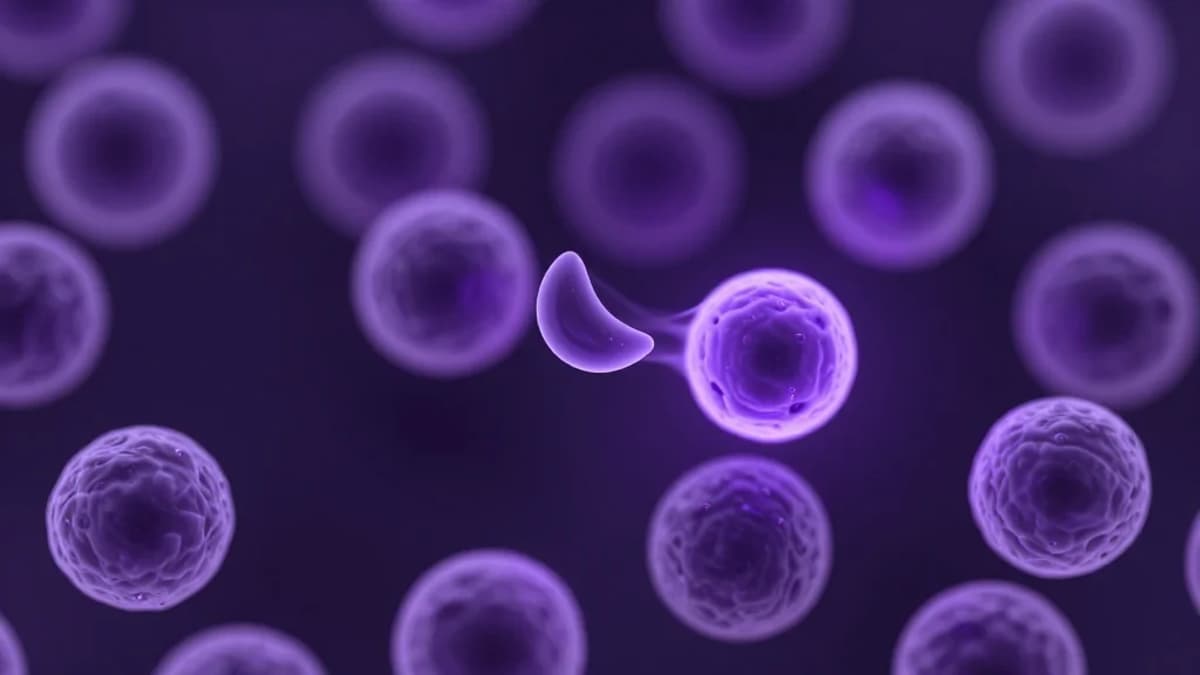
- •Particles reshape from spheres to crescents upon degradation.
- •Rapid cargo release enabled by morphology change.
- •Enables on‑demand biomedical delivery with predefined lifetimes.
Pulse Analysis
The emergence of self‑immolative Janus dendrimers marks a shift in supramolecular chemistry, where molecular architecture directly dictates macroscopic behavior. By coupling a hydrophilic oligo(ethylene glycol) dendron with a light‑sensitive oligo(ethyl glyoxylate) tail, scientists achieve monodisperse nanospheres that remain stable in aqueous environments yet possess a built‑in trigger for rapid disassembly. This design leverages end‑to‑end depolymerization, a cascade reaction that propagates through the polymer backbone once UV photons cleave the terminal photolabile groups, collapsing the core structure in under ten minutes.
The morphological transition from a solid sphere to a crescent‑shaped particle is more than a visual curiosity; it fundamentally alters surface area, curvature, and permeability, facilitating swift expulsion of encapsulated agents. Such a rapid, predictable shape change can be harnessed for on‑demand drug release, where therapeutic payloads are protected during circulation and liberated only at the target site via localized light exposure. Moreover, the predefined lifetime of these assemblies—tuned by the dendrimer’s molecular weight and photolabile chemistry—offers clinicians precise control over dosing windows, reducing off‑target effects and improving patient compliance.
Beyond biomedicine, these photodegradable nanostructures open avenues in smart coatings, transient electronics, and environmentally responsive materials. Their ability to undergo complete, irreversible degradation upon a simple stimulus aligns with sustainability goals, minimizing persistent nanomaterial waste. As research progresses toward longer‑wavelength activation and scalable synthesis, self‑immolative Janus dendrimers are poised to become a versatile platform for dynamic, programmable nanomaterials across multiple industries.
Supramolecular Assemblies of Self‐Immolative Janus Dendrimers With Rapid Photodegradation Response
0
Comments
Want to join the conversation?
Loading comments...