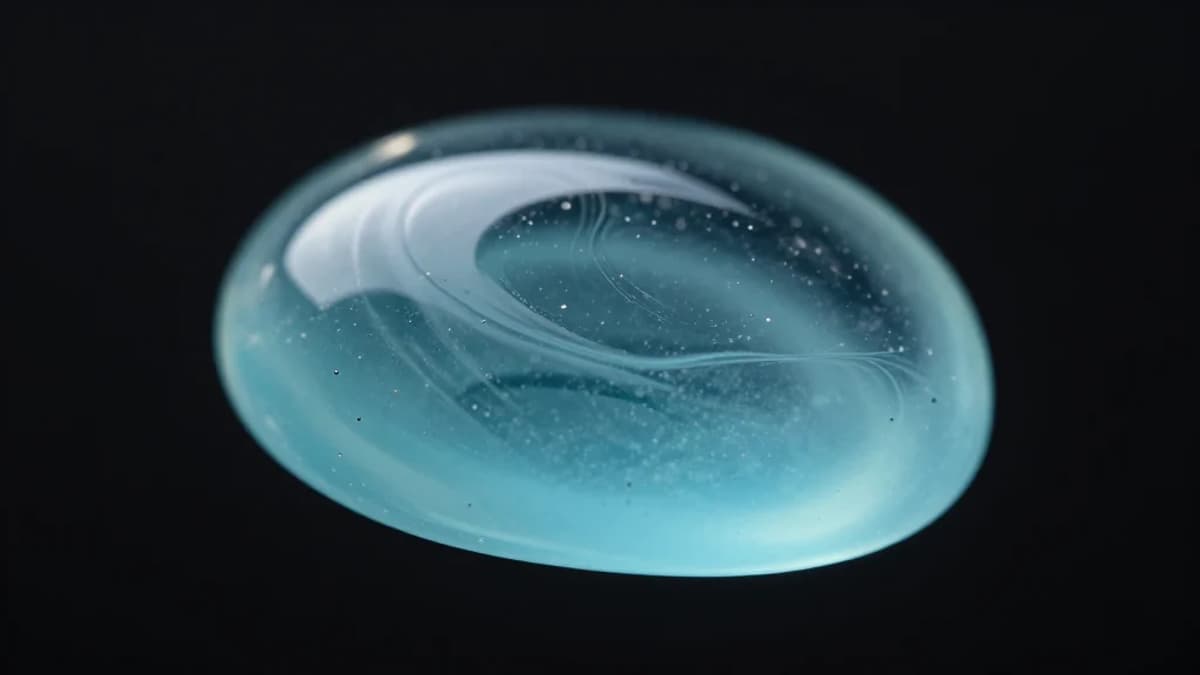
Supramolecular Gelation of Hydrogen Peroxide: Reconciling Safety and Reactivity
•January 27, 2026
0
Companies Mentioned

Why It Matters
The technology resolves the long‑standing safety‑reactivity trade‑off for hydrogen peroxide, opening safer, more reliable pathways for its large‑scale industrial use.
Key Takeaways
- •GA/PVA gel stabilizes H2O2 up to 212-fold
- •Storage modulus exceeds 3600 Pa, ensuring mechanical robustness
- •Gel prevents leakage for over six months
- •Shear‑thinning releases H2O2 without losing reactivity
- •Enables safe industrial oxidation comparable to liquid H2O2
Pulse Analysis
The introduction of a glycyrrhizic acid‑polyvinyl alcohol supramolecular gel marks a pivotal shift in how the chemical industry handles hydrogen peroxide, a cornerstone green oxidant. By converting the liquid into a solid‑like network, the gel not only provides unprecedented mechanical strength—evidenced by a storage modulus surpassing 3600 Pa—but also creates a barrier that isolates catalytic metal impurities. This isolation dramatically curtails the exothermic decomposition pathways that have historically limited peroxide’s safe deployment in large‑scale processes.
Beyond safety, the gel’s rheological profile delivers functional versatility. Its thixotropic nature allows the material to flow under shear, enabling precise dosing of H2O2 directly at reaction sites. Once the shear force is removed, the gel quickly recovers its structure, preventing uncontrolled release. Crucially, this shear‑thinning behavior does not diminish the peroxide’s oxidative potency; laboratory tests show sulfoxidation and alcohol oxidation yields on par with traditional liquid formulations, confirming that reactivity remains intact.
From a commercial perspective, the gel’s long‑term stability—maintaining integrity for more than half a year—offers logistical advantages, reducing storage costs and minimizing the risk of accidental spills. Industries ranging from pulp‑and‑paper to pharmaceuticals can now contemplate continuous peroxide‑based processes with a built‑in safety net. As regulatory scrutiny intensifies around hazardous chemicals, this gelation platform provides a compelling compliance pathway while preserving the environmental benefits that make hydrogen peroxide a preferred oxidant.
Supramolecular Gelation of Hydrogen Peroxide: Reconciling Safety and Reactivity
0
Comments
Want to join the conversation?
Loading comments...