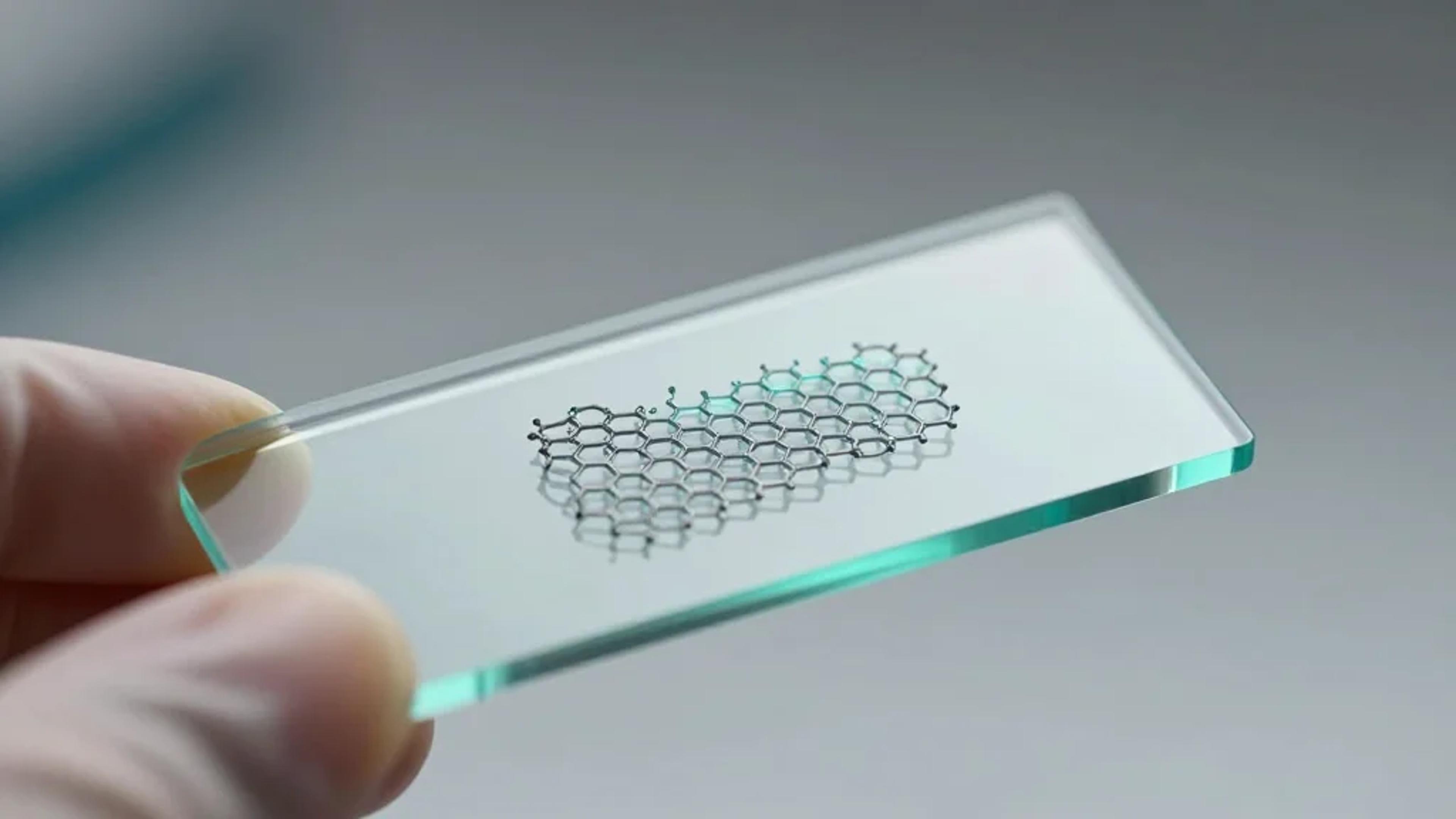
Suspendable and Scalable Ultrasound‐Actuated ZnO‐Nanosheet‐Based Piezoelectric Microdevices for Wireless Electrical Stimulation of Cells
•February 17, 2026
0
Why It Matters
The technology offers a non‑invasive, scalable platform for precise electrical modulation of individual cells, accelerating bioelectronic therapies and tissue‑engineering research.
Key Takeaways
- •Subcellular-sized devices enable single-cell electrical interfacing
- •ZnO nanosheets generate piezopotentials under ultrasound
- •Calcium influx primarily via voltage‑gated and stretch‑activated channels
- •58% of cells activated using biomedical‑range ultrasound
- •Scalable silicon microfabrication supports mass production
Pulse Analysis
Electrical stimulation is a cornerstone of modern biomedical research, yet conventional electrodes are limited by invasiveness, bulk, and difficulty targeting individual cells. Emerging bioelectronic strategies seek wireless, nanoscale solutions that can interface directly with cellular membranes without disrupting tissue architecture. By leveraging piezoelectric materials that convert mechanical energy into electrical signals, scientists aim to create devices that operate at the scale of a single cell, opening new avenues for precise modulation of cellular behavior.
The newly reported microdevices combine a micrometer‑scale silicon dioxide platform with vertically aligned ZnO nanosheets, a material known for strong piezoelectric responses. When cells exert intrinsic forces or when an external ultrasound field—tuned to safe biomedical frequencies—deforms the nanosheets, localized piezopotentials arise, depolarizing the membrane and prompting calcium transients. Pharmacological profiling pinpointed voltage‑gated calcium channels and stretch‑activated cation channels as the dominant conduits for ion influx, while intracellular stores played a minor role. Notably, ultrasound actuation alone activated more than half of the examined cells, confirming the efficacy of remote stimulation.
This breakthrough holds significant implications for the bioelectronics market. Scalable silicon microfabrication enables high‑volume production, reducing costs and facilitating integration into existing lab‑on‑a‑chip platforms. Potential applications span neuromodulation, cardiac pacing, and tissue‑engineered constructs where precise, cell‑level electrical cues drive differentiation and function. Moreover, the wireless nature of the devices minimizes infection risk and simplifies chronic implantation, positioning them as a compelling tool for next‑generation therapeutic and diagnostic technologies.
Suspendable and Scalable Ultrasound‐Actuated ZnO‐Nanosheet‐Based Piezoelectric Microdevices for Wireless Electrical Stimulation of Cells

Silicon microtechnology enables the scalable fabrication of cytocompatible microdevices for wireless electrical stimulation. Microdevices smaller than a cell allow accurate interaction with single cells. By integrating piezoelectric nanostructures that can be actuated by ultrasound within the biomedical range, remote electrical cell stimulation is possible. This stimulation triggers intracellular Ca2+ influx through membrane channels, promoting cell excitation.
ABSTRACT
Electrical stimuli play a crucial role in activating cell signaling pathways and promoting essential functions such as migration, proliferation, and differentiation, while also enabling communication between specific cell types. Bioelectronics aims to modulate the biological activity of living tissues and organs through minimally invasive electrical stimulation. This work aims to develop and validate cytocompatible, subcellular-sized wireless microdevices fabricated through a scalable silicon microtechnology process. These microdevices consist of a micrometer-scale silicon dioxide platform integrating ZnO nanosheets (NSs) as the active piezoelectric material. They establish electromechanical interactions with cells, driven by intrinsic cellular forces or by external ultrasound actuation in the biomedical range. This study demonstrates the underpinning mechanism of this electromechanical interaction. Mechanical forces, whether generated intrinsically by cells or applied through ultrasound, deform the nanostructures and generate localized piezopotentials that depolarize the membrane and trigger calcium transients. Pharmacological studies revealed that calcium entry occurs mainly through voltage-gated calcium channels (VGCCs) and stretch-activated cation channels (SACCs), with a minor contribution from intracellular stores. Membrane potential imaging confirmed dynamic depolarization events, validating direct cell–nanogenerator coupling. Ultrasound actuation further enhanced the effect, with 58% of cells activated, underscoring the promise of piezoelectric nanogenerators for minimally invasive cellular-level bioelectronic interfaces and biomedical applications.
0
Comments
Want to join the conversation?
Loading comments...