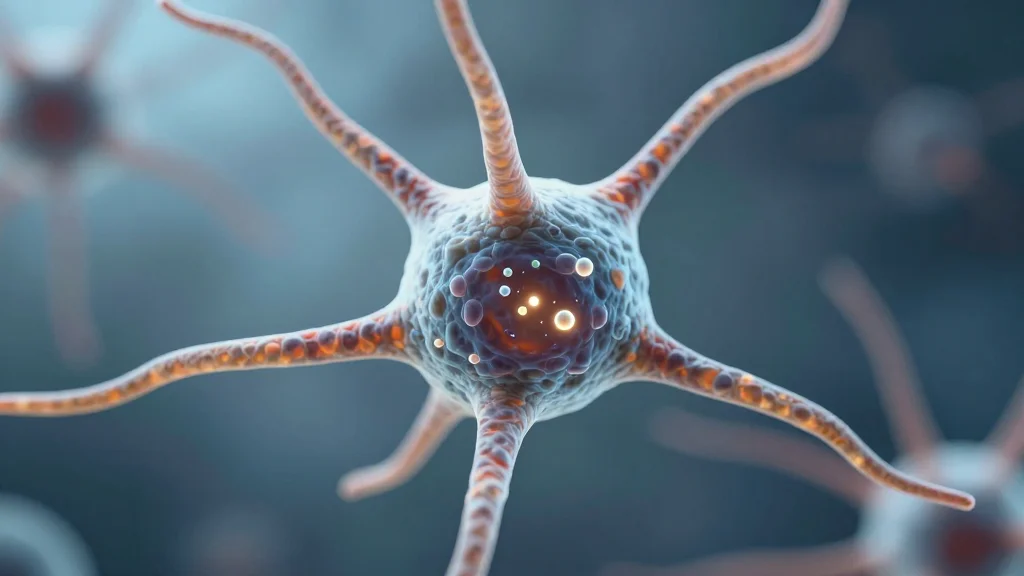
The Impact of Nanoplastics on Neurons May Depend on Their Size
Why It Matters
Size‑specific nanoplastic toxicity suggests that current risk assessments, which often ignore particle dimensions, may underestimate neurological hazards, prompting tighter regulatory scrutiny and new research directions.
Key Takeaways
- •Smaller nanoplastics cause greater neuronal morphological changes.
- •Polystyrene particles internalize in primary neuron cultures.
- •Low-dose exposure reveals subtle, size‑dependent gene expression shifts.
- •Study highlights need for long‑term, complex brain model testing.
Pulse Analysis
Plastic production continues to surge, and while microplastics have dominated headlines, the sub‑micron fraction—nanoplastics—poses a distinct challenge for human health. Their diminutive size grants them a high surface‑area‑to‑volume ratio, enhancing adsorption of pollutants and facilitating passage across the blood‑brain barrier. Recent environmental surveys have even detected nanoplastic fragments in post‑mortem brain samples, raising alarms that these particles could interact directly with neural tissue. Understanding how size influences cellular uptake is therefore essential for framing the broader narrative of plastic pollution and its hidden neurotoxic pathways.
In the latest NanoImpact paper, the Cellular Neurobiology group at the A.I. Virtanen Institute employed primary rat neuron cultures to isolate the effects of polystyrene nanoplastics ranging from 20 nm to 200 nm. Even at concentrations far below those used in typical toxicology screens, the smallest particles accumulated within neuronal soma and altered neurite outgrowth, as evidenced by reduced length and branching. Gene‑expression profiling revealed up‑regulation of stress‑response pathways and down‑regulation of synaptic‑function genes, indicating that subtle, size‑specific disruptions could translate into functional deficits over time. The researchers emphasized that particle size, alongside composition and dose, is a critical determinant of neurotoxicity.
These findings have immediate implications for risk assessment frameworks and regulatory policy. Current guidelines often aggregate all plastic fragments under a single exposure metric, potentially overlooking the heightened danger of nanoplastics. The study advocates for incorporating particle‑size distributions into safety thresholds and for expanding in‑vivo models that mimic chronic, low‑level exposure scenarios. As the scientific community pushes toward more realistic brain organoid and animal models, policymakers will need robust data to balance industrial plastic use with public health safeguards, ensuring that the invisible threat of nanoplastics does not silently erode neurological health.
The impact of nanoplastics on neurons may depend on their size
Comments
Want to join the conversation?
Loading comments...