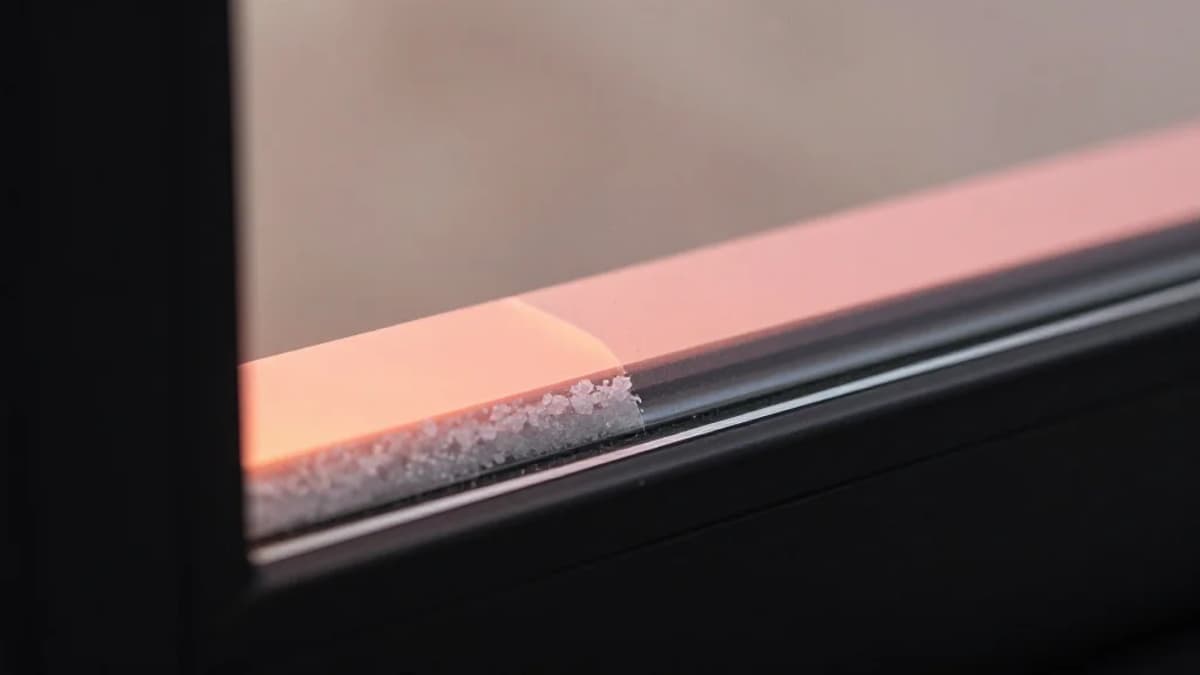
Thermo‐Responsive Smart Window Coupled with Heat Storage Effect
•January 27, 2026
0
Why It Matters
The technology turns passive glazing into an active energy‑management component, directly lowering heating and cooling loads and advancing carbon‑neutral building goals.
Key Takeaways
- •Dual-layer design couples optical switching with heat storage
- •PNIPAM transition tunable 7‑70 °C, broadest range reported
- •CCH phase change adjustable 9‑31 °C, covers seasonal shifts
- •Solar modulation reaches 70.1% with 199 J g⁻¹ latent heat
- •Projected >20% HVAC energy savings worldwide
Pulse Analysis
Thermo‑responsive smart windows have attracted attention for their ability to regulate daylight and solar gain, yet most designs simply block or transmit light without reclaiming the rejected heat. Conventional electrochromic or thermochromic glazing discards a substantial portion of solar energy, limiting their contribution to net‑zero building strategies. Integrating phase‑change materials (PCMs) into glazing offers a pathway to capture that waste heat, but aligning optical performance with thermal storage has remained a technical hurdle.
The newly reported dual‑layer system (DLTS) overcomes this barrier by pairing a poly(N‑isopropyl acrylamide) (PNIPAM) thermochromic film with a supercooled calcium chloride hexahydrate (CCH) PCM layer. Chemical modifiers such as dimethylacetamide and tartaric acid shift PNIPAM’s transition point across a 7‑70 °C span, while ethanol and urea tune CCH’s melting range from 9‑31 °C. This synchronized temperature tuning ensures the window remains transparent during mild conditions yet switches to a reflective state when indoor heating is needed, releasing 199 J g⁻¹ of stored latent heat. The resulting solar modulation of 70.1% rivals the best active glazing technologies while adding thermal storage capability.
From an energy‑policy perspective, DLTS promises tangible reductions in HVAC demand. Building energy models estimate more than 20% annual savings compared with standard glass across diverse climate zones, translating to lower utility bills and reduced carbon emissions. As construction codes increasingly mandate performance‑based glazing, manufacturers that embed PCM‑enhanced smart windows could capture a growing market share. Future research will likely focus on scaling the dual‑layer architecture, enhancing durability, and integrating smart controls to optimize heat release timing, positioning this technology as a cornerstone of next‑generation energy‑efficient façades.
Thermo‐Responsive Smart Window Coupled with Heat Storage Effect
0
Comments
Want to join the conversation?
Loading comments...