Ultrathin and High‐Efficiency Passive Daytime Radiative Cooling Coating via Polymer‐Particle Co‐Design
•January 25, 2026
0
Why It Matters
Such high‑performance, lightweight cooling films can reduce energy consumption in buildings and improve thermal management for drones, accelerating adoption of passive cooling technologies in climate‑critical applications.
Key Takeaways
- •93.8% solar reflectance, 97.1% MIR emissivity achieved.
- •Coating thickness only 40% of conventional products.
- •Lorenz-Mie theory optimized particle size for scattering.
- •UAV surface temperature dropped up to 8.1 °C.
- •Annual building energy savings up to 27.6 MJ/m².
Pulse Analysis
Passive daytime radiative cooling (PDRC) has emerged as a promising strategy to offset rising cooling loads without electricity, by reflecting sunlight while emitting thermal radiation through the atmospheric transparency window. Traditional polymer‑based PDRC films rely on thick layers to achieve the necessary solar reflectance and mid‑infrared emissivity, which adds material cost, weight, and installation complexity—factors that limit deployment on weight‑sensitive platforms such as drones or retrofit projects on existing façades. Reducing thickness while preserving optical performance therefore represents a critical engineering hurdle.
The new coating tackles this hurdle through a synergistic polymer‑particle co‑design. Researchers selected polymers and inorganic particles whose vibrational modes align with the 8–13 µm atmospheric window, then applied Lorenz‑Mie scattering theory to pinpoint particle diameters that maximize scattering in the solar spectrum and absorption in the mid‑infrared. The result is a nanocomposite film that delivers 93.8 % solar reflectance and 97.1 % MIR emissivity at just 40 % of the thickness of commercial alternatives. Compared with standard PDRC products, the ultrathin layer cuts material usage by more than half while maintaining superior cooling efficiency.
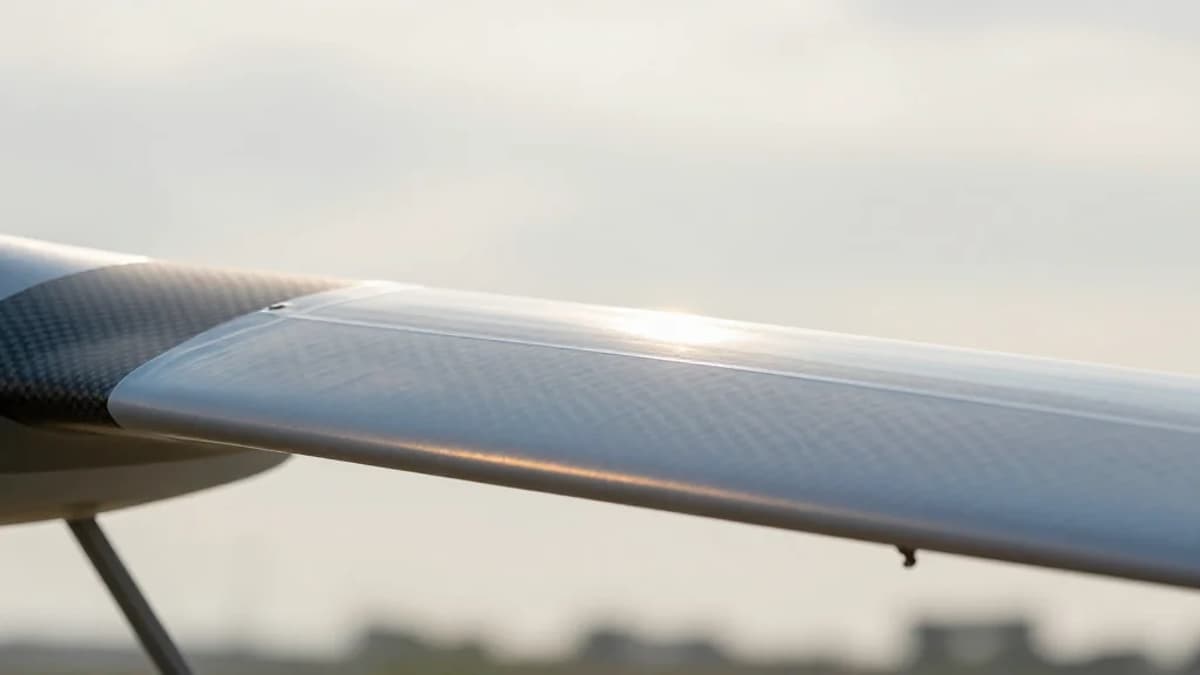
The performance gains translate into tangible benefits. In laboratory UAV tests, surface temperatures fell up to 8.1 °C, extending flight endurance and protecting sensitive electronics. Building simulations for subtropical locations such as Haikou, Hong Kong, and Macau predict annual energy savings between 22.6 and 27.6 MJ per square metre, equating to significant cost reductions and carbon‑footprint cuts. By marrying lightweight design with high optical efficiency, this technology positions itself for rapid adoption in aerospace, architecture, and emerging markets seeking low‑energy cooling solutions, and it sets a benchmark for future PDRC research.
Ultrathin and High‐Efficiency Passive Daytime Radiative Cooling Coating via Polymer‐Particle Co‐Design
0
Comments
Want to join the conversation?
Loading comments...