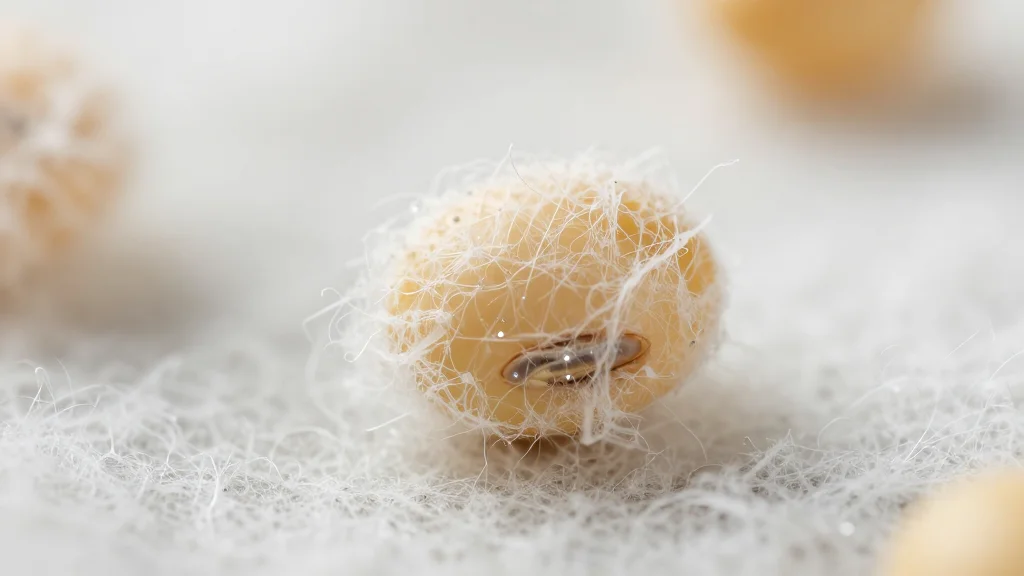
USP Researchers Use Nanofibers to Speed Soybean Germination in Brazil

Why It Matters
Accelerating soybean germination addresses a critical bottleneck in crop establishment, especially in Brazil where planting windows are tightly linked to seasonal rainfall patterns. By delivering growth‑promoting compounds directly to the seed in a controlled manner, the nanofiber technology could improve stand density, reduce input costs, and increase overall productivity. Moreover, the use of biodegradable cellulose‑acetate fibers mitigates environmental concerns associated with synthetic polymer coatings, aligning with sustainability goals. If the technology proves scalable, it could set a precedent for nanotech applications across other staple crops, fostering a new wave of precision agriculture solutions that blend materials science with plant biology. The patent filing also signals a shift toward commercialising academic nanotech research, potentially attracting investment and accelerating the translation of laboratory breakthroughs into market‑ready products.
Key Takeaways
- •USP researchers developed electrospun cellulose‑acetate nanofibers loaded with zinc oxide nanoparticles and gibberellic acid.
- •Laboratory tests showed faster germination and enhanced root development over a seven‑day period.
- •The nanofiber coating can be applied by simple water‑spraying, unlike traditional polymer seed coatings.
- •Toxicity assessments confirmed safe dosage levels, addressing regulatory concerns for nanomaterials.
- •A patent application has been filed, indicating intent to commercialise the technology.
Pulse Analysis
The USP nanofiber breakthrough arrives at a moment when Brazil’s soybean sector is under pressure to boost yields without expanding cultivated land. Historically, seed‑treatment technologies have focused on protective coatings or simple nutrient additives. The electrospun approach introduces a level of precision previously reserved for high‑value horticultural crops, leveraging nanometer‑scale release kinetics to synchronize hormone delivery with the seed’s metabolic timeline. This could translate into measurable yield gains, especially in regions where early‑season weeds and erratic moisture patterns erode stand establishment.
From a market perspective, the technology could disrupt the existing seed‑coating supply chain, which is dominated by a handful of multinational agribusinesses. If USP can partner with local seed processors, they may capture a niche segment that values both performance and environmental stewardship. However, scaling electrospinning to industrial volumes remains a technical hurdle; the process is energy‑intensive and requires tight control over fiber morphology. Investment in pilot‑scale production lines will be essential, and cost‑competitiveness will ultimately dictate adoption.
Looking ahead, the nanofiber platform could serve as a modular delivery system for a broader suite of agro‑inputs—micronutrients, biocontrol agents, or even RNA‑based gene‑silencing molecules. The successful demonstration in soybeans could catalyse a wave of research exploring similar coatings for corn, wheat, and rice, potentially reshaping global agricultural inputs. The key question now is whether the technology can move from controlled petri‑dish conditions to the variability of field environments while maintaining efficacy and safety.
USP Researchers Use Nanofibers to Speed Soybean Germination in Brazil
Comments
Want to join the conversation?
Loading comments...