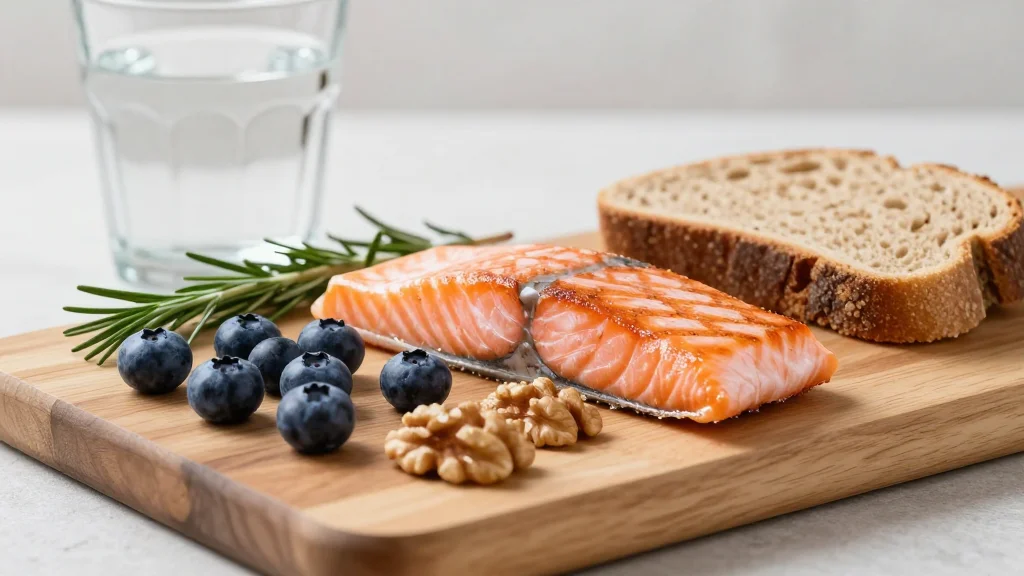
20 Foods that Are Good for Your Brain — and What Science Actually Says
Why It Matters
Understanding which foods have credible neuroprotective effects helps consumers make evidence‑based choices and guides food companies, insurers, and clinicians in designing diets that may reduce cognitive decline and associated healthcare costs.
Key Takeaways
- •Fatty fish supply DHA/EPA, linked to lower depression and cognitive decline
- •Blueberries' anthocyanins boost BDNF, improving memory in older adults
- •Dark chocolate ≥70% cocoa enhances cerebral blood flow via flavanols
- •Leafy greens correlate with cognitive age ~11 years younger
- •Consistent water intake prevents dehydration‑related attention loss
Pulse Analysis
Nutrition research has moved beyond the headline‑grabbing "superfood" narrative toward a nuanced view that whole‑diet patterns drive brain health. Large‑scale studies of the Mediterranean and MIND diets consistently show slower cognitive aging and reduced dementia risk, suggesting that the synergy of multiple nutrients matters more than isolated compounds. For businesses, this shift creates demand for product lines that fit within these patterns—such as omega‑3‑rich fish, flavonoid‑dense berries, and whole‑grain snacks—while allowing marketers to back claims with robust epidemiological data.
At the molecular level, the foods highlighted in the list act through distinct pathways. Long‑chain omega‑3s from fatty fish integrate into neuronal membranes, enhancing signal transmission and dampening inflammation. Flavonoids in dark chocolate and blueberries increase cerebral blood flow and stimulate brain‑derived neurotrophic factor, supporting synaptic plasticity. Meanwhile, leafy greens supply folate and vitamin K, which are essential for DNA methylation and myelin formation. Emerging gut‑brain research also underscores the role of fermented foods and fiber‑rich legumes in modulating microbiome diversity, indirectly influencing mood and cognition.
For the food industry, healthcare providers, and policy makers, these insights translate into actionable strategies. Companies can formulate fortified products—such as omega‑3‑enhanced eggs or bioavailable curcumin blends—to meet consumer demand for brain‑boosting nutrition. Insurers may incorporate dietary counseling into preventive care plans, potentially lowering long‑term costs associated with neurodegenerative diseases. Clinicians can recommend specific food groups alongside broader dietary patterns to support patients’ cognitive resilience, turning scientific evidence into practical, market‑ready guidance.
20 foods that are good for your brain — and what science actually says
Comments
Want to join the conversation?
Loading comments...