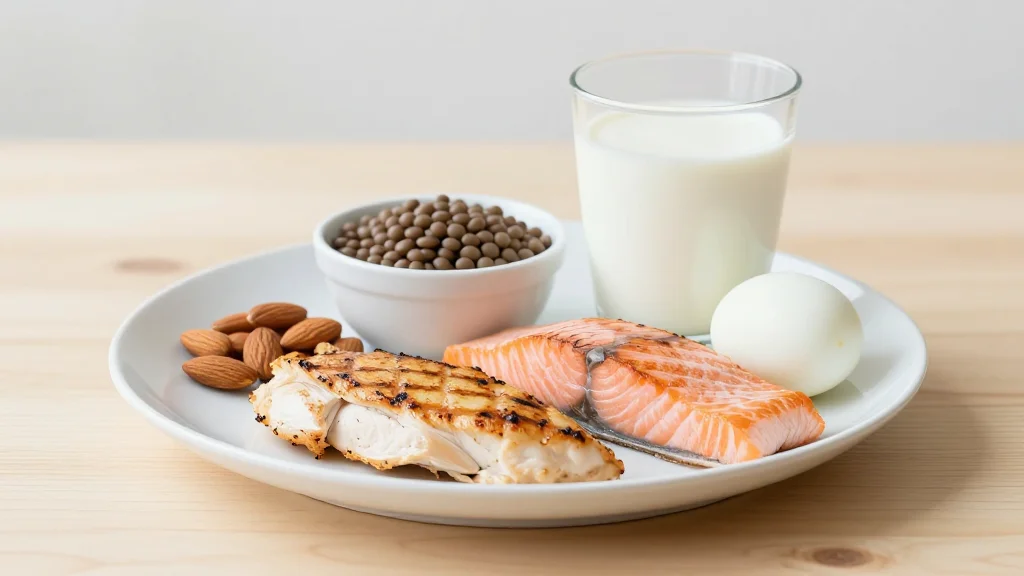
2025‑2030 Dietary Guidelines Raise Protein Targets to 1.2‑1.6 G/Kg

Why It Matters
The revised protein recommendations could reshape dietary counseling, influencing how clinicians address muscle maintenance, metabolic health, and chronic disease prevention. By raising the benchmark, the guidelines acknowledge emerging research linking higher protein intake with better outcomes in aging populations, weight management, and sarcopenia mitigation. For the food industry, the shift creates both a challenge and an opportunity: reformulating products to feature higher‑quality protein sources may meet consumer demand for healthier options while complying with future labeling standards. Public health agencies will need to monitor whether the higher targets improve overall protein quality consumption without inadvertently increasing saturated fat intake, a concern noted by the panel. Successful implementation hinges on clear communication, especially given the visual guide’s potential to mislead. Effective clinician‑led education could ensure that the policy’s intent—better protein quality rather than sheer quantity—reaches the broader public.
Key Takeaways
- •2025‑2030 Dietary Guidelines raise protein recommendation to 1.2‑1.6 g/kg body weight per day.
- •Guidelines emphasize higher‑quality, less‑processed protein sources over increased total intake.
- •Experts warn visual food guide may over‑highlight animal proteins, risking consumer confusion.
- •Clinicians urged to prioritize whole‑food protein counseling and avoid reliance on supplements.
- •Food manufacturers may need to reformulate products to align with new quality‑focused protein standards.
Pulse Analysis
The upward revision of protein recommendations reflects a broader trend in nutrition science that moves beyond simple macronutrient counting toward a more nuanced view of food quality. Historically, the 0.8 g/kg benchmark stemmed from nitrogen balance studies in the 1970s, which did not account for the metabolic demands of an aging, increasingly sedentary population. Recent longitudinal studies suggest that higher protein intakes support muscle preservation, metabolic health, and satiety, especially when sourced from fish, legumes, and nuts. By codifying these findings, the USDA/HHS signal a willingness to integrate contemporary research into federal guidance.
From an industry perspective, the shift could accelerate the growth of “clean label” protein products that highlight minimal processing and transparent sourcing. Companies that have already invested in plant‑based and marine protein technologies may find a competitive edge, while those reliant on heavily processed meat analogues could face pressure to reformulate. The visual guide’s potential misalignment with textual recommendations also highlights a communication gap that could dilute the policy’s impact; clear, consistent messaging will be essential to avoid consumer backlash or misinterpretation.
Looking ahead, the real test will be how quickly health professionals adopt the new targets in routine care. If clinicians incorporate the higher protein range into dietary assessments and counseling, we may see measurable improvements in population‑level protein quality metrics within the next decade. Conversely, if the visual guide continues to dominate public perception, the policy’s nuanced intent could be lost, leading to a superficial increase in protein consumption without the desired shift toward healthier sources. Monitoring both clinical practice patterns and product reformulation trends will be key indicators of the guidelines’ effectiveness.
2025‑2030 Dietary Guidelines Raise Protein Targets to 1.2‑1.6 g/kg
Comments
Want to join the conversation?
Loading comments...