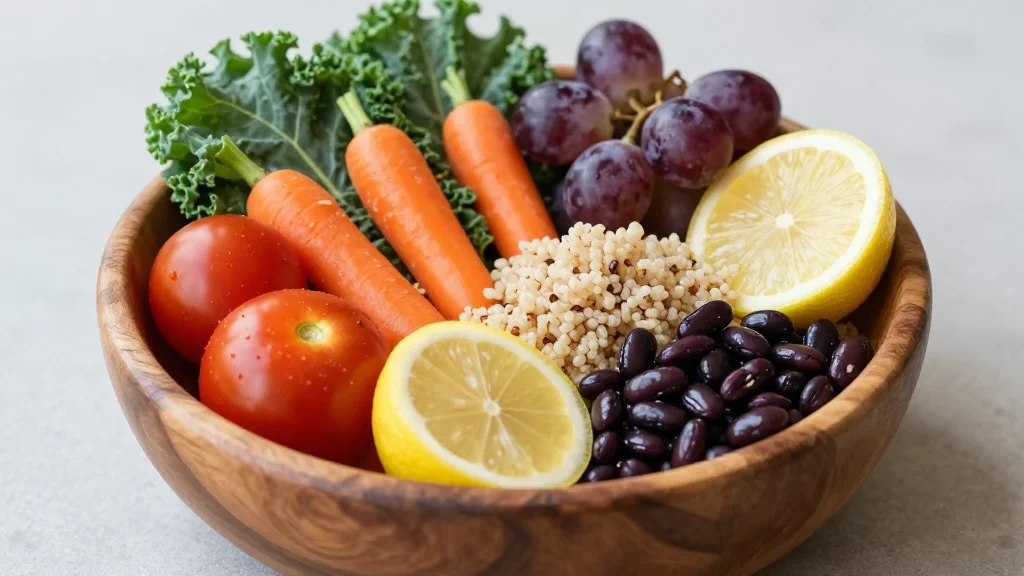
AHA Revamps Cardiovascular Diet Guidance, Puts Plant‑Forward Eating Front‑and‑Center

Why It Matters
The AHA’s updated guidance carries weight because the association’s recommendations shape clinical practice guidelines, insurance nutrition programs and public health campaigns. By foregrounding plant‑forward eating, the statement could accelerate the adoption of plant‑based proteins, a shift linked to lower cholesterol, blood pressure and overall cardiovascular risk. Simultaneously, the lingering ambiguity on fat and alcohol underscores persistent research gaps, signaling where future studies and policy debates will focus. For the food industry, aligning product portfolios with the AHA’s nine core features could open new market opportunities while also prompting reformulation of existing products to meet stricter sodium and sugar limits. From a public‑health perspective, the guidance offers a clear, evidence‑based roadmap for individuals seeking to reduce heart disease risk without navigating a maze of conflicting nutrient‑specific advice. If clinicians integrate the pattern‑based recommendations into routine care, the potential for population‑level improvements in diet quality—and consequently, cardiovascular outcomes—could be substantial.
Key Takeaways
- •AHA updates 2026 nutrition guidance, emphasizing plant‑forward protein sources
- •Nine core features include vegetables, fruits, whole grains, unsaturated fats, low sodium and added sugars
- •Guidance aligns with 2025‑2030 Dietary Guidelines but diverges on protein and fat specifics
- •Uncertainty remains on optimal dietary fat sources and alcohol consumption risks
- •Removal of a tenth step on food‑setting implementation, though discussion retained
Pulse Analysis
The AHA’s pivot toward plant‑forward eating reflects a broader trend in cardiovascular nutrition that privileges whole‑food patterns over isolated nutrient targets. Historically, heart‑health guidelines have oscillated between low‑fat and low‑carbohydrate emphases; this latest statement signals a convergence on dietary patterns that have consistently shown benefit in large cohort studies. By codifying plant‑based proteins as a central pillar, the AHA not only reinforces the growing body of evidence linking legumes and nuts to reduced LDL cholesterol, but also aligns with consumer demand for sustainable, plant‑centric foods.
The decision to retain ambiguity around fat and alcohol is strategic. While meta‑analyses suggest that replacing saturated fat with polyunsaturated fat lowers cardiovascular events, the heterogeneity of food matrices and individual metabolic responses complicates blanket recommendations. Similarly, alcohol’s dose‑response curve remains contested, with recent studies indicating potential benefits at low intake but heightened risk beyond modest levels. By flagging these areas as uncertain, the AHA invites further research while avoiding premature guidance that could be quickly outdated.
From an industry standpoint, the guidance could accelerate the already rapid expansion of plant‑based product lines, prompting legacy meat and dairy producers to accelerate alternative protein development. At the same time, the emphasis on sodium and added sugars may drive reformulation across processed food categories, echoing past regulatory pushes that have yielded measurable reductions in population sodium intake. The AHA’s transparent release of supplemental evidence tables also sets a new standard for openness, allowing researchers to validate and build upon the recommendations. In the next 12‑18 months, we can expect to see clinical practice guidelines, hospital menus and public‑health campaigns echoing the AHA’s plant‑forward message, with measurable shifts in consumer purchasing patterns serving as early indicators of impact.
AHA Revamps Cardiovascular Diet Guidance, Puts Plant‑Forward Eating Front‑and‑Center
Comments
Want to join the conversation?
Loading comments...