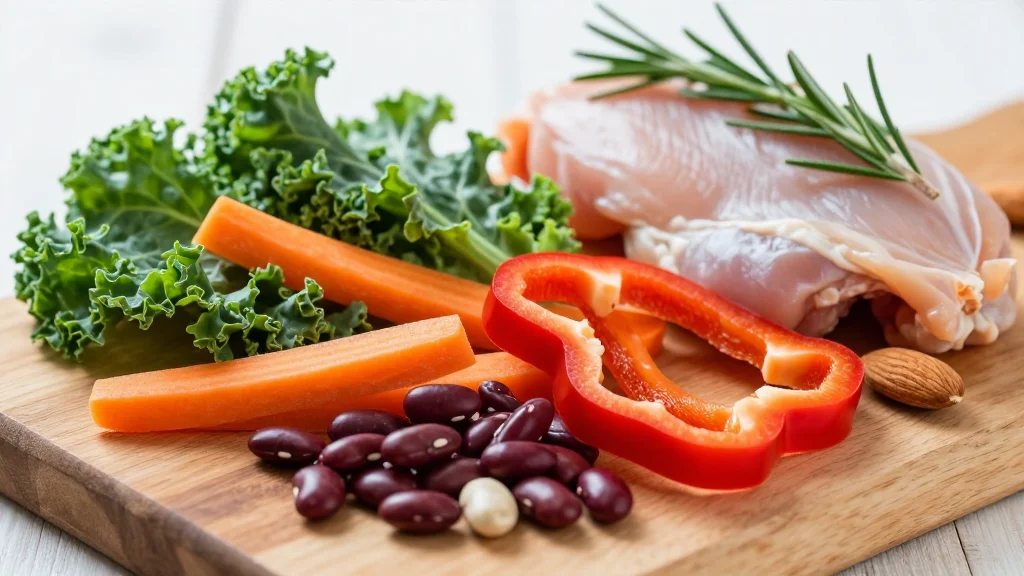
American Heart Association Issues New Guidelines Urging Shift to Plant‑Based Protein

Why It Matters
The AHA’s updated guidelines could accelerate the United States’ transition toward a more plant‑centric food system, with downstream effects on public health, agricultural markets and food‑industry innovation. By explicitly targeting meat reduction, the recommendations address a major modifiable risk factor for heart disease, the leading cause of death in the country, and may help curb the rising prevalence of hypertension and obesity. If clinicians adopt the AHA’s advice broadly, patients could see measurable improvements in blood pressure, lipid profiles and overall cardiovascular risk. At the policy level, the guidelines may pressure lawmakers and regulators to reconsider subsidies, labeling standards and school‑meal programs, potentially reshaping the nutritional landscape for the next generation.
Key Takeaways
- •AHA released five‑year dietary update on March 31 urging a shift to plant‑based protein
- •Guidelines call for reduced meat, ultra‑processed foods, salt and added sugars
- •Conflict with federal dietary guidelines that still endorse moderate animal protein
- •Quotes from Dr. Amit Khera, Alison Steiber and HHS Secretary Robert F. Kennedy Jr. included
- •Potential impact on clinicians, food manufacturers and public‑health policy
Pulse Analysis
The AHA’s new guidance arrives at a moment when consumer interest in plant‑based diets is at an all‑time high, driven by health concerns, climate awareness and the rapid expansion of alternative protein products. By moving from a recommendation to replace red meat to a broader call to cut overall meat consumption, the AHA is leveraging its clinical credibility to push the market toward more aggressive reformulation. This mirrors a broader trend in nutrition policy where disease‑specific bodies, such as the American Diabetes Association, have begun issuing stricter dietary standards than the USDA‑HHS guidelines, creating a fragmented advisory environment.
From an industry perspective, the AHA’s stance could accelerate investment in plant‑protein R&D, especially in legumes, nuts and seed‑derived oils that meet the organization’s emphasis on non‑tropical plant fats. Companies that have already diversified beyond animal‑based products—such as Beyond Meat, Impossible Foods and emerging seed‑protein startups—stand to benefit from heightened consumer confidence and potential endorsement in clinical settings. Conversely, meat producers may need to double down on product innovation, emphasizing lean cuts, fortified meats or hybrid products to retain market share.
Looking ahead, the real test will be whether the AHA’s recommendations translate into measurable shifts in dietary behavior. Past guideline updates have struggled with implementation gaps, often due to limited reimbursement for nutrition counseling and entrenched cultural food preferences. If the AHA can pair its guidance with robust clinician education, insurance incentives and clear public‑health messaging, it could set a new benchmark for disease‑focused nutrition policy, nudging the broader dietary framework toward a more heart‑healthy paradigm.
American Heart Association Issues New Guidelines Urging Shift to Plant‑Based Protein
Comments
Want to join the conversation?
Loading comments...