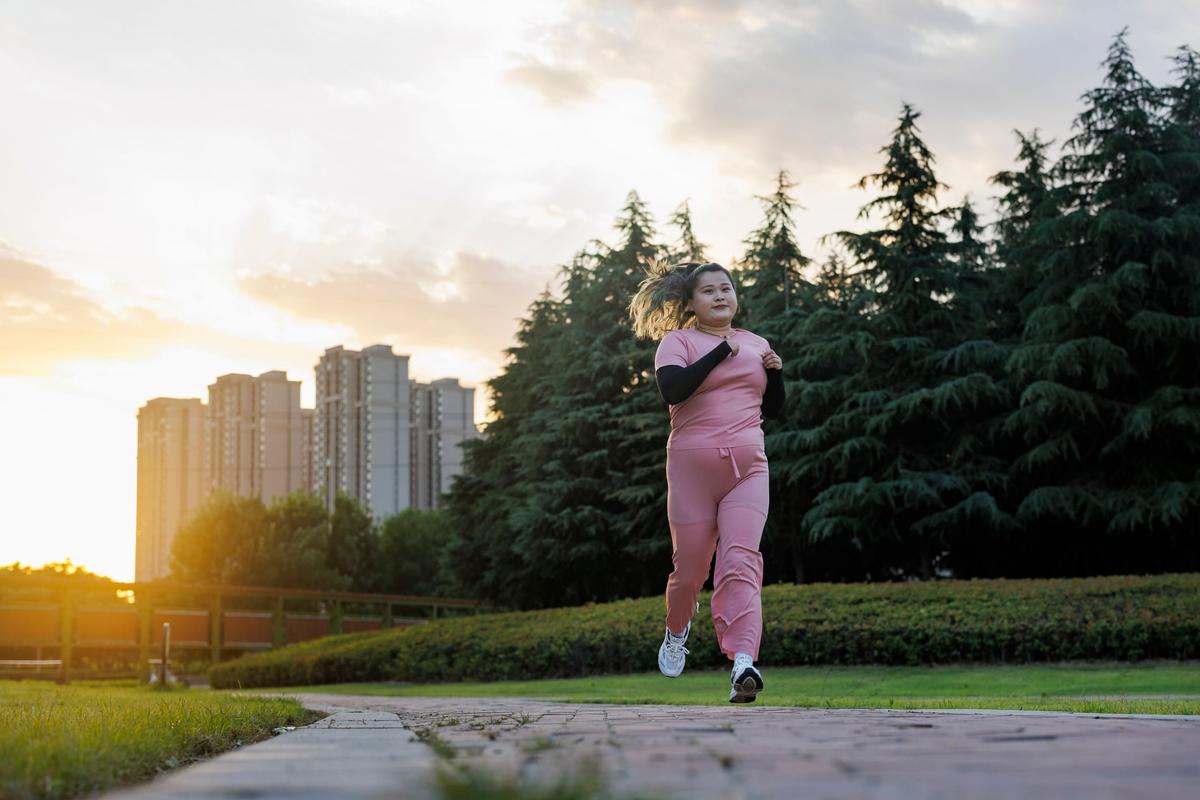
Caffeine Intake Before Exercise May Aid Breakdown of Fats in Overweight Women
Why It Matters
Identifying the optimal caffeine dose helps athletes and weight‑loss programs maximize metabolic gains while minimizing cardiovascular risk, informing evidence‑based supplementation guidelines.
Key Takeaways
- •3 mg/kg caffeine maximizes fat oxidation without extra cardiovascular strain
- •5 mg/kg improves oxidation but raises blood pressure during exercise
- •9 mg/kg adds no metabolic benefit and increases side effects
- •Study included 11 overweight female students, BMI 26.4, body fat 37.8%
- •Optimal caffeine range for FATmax exercise is 3–5 mg/kg
Pulse Analysis
Caffeine remains a popular ergogenic aid, prized for its ability to stimulate the central nervous system and mobilize fatty acids during physical activity. While numerous studies have linked moderate caffeine intake to enhanced endurance performance, the precise dosage that balances metabolic benefits with cardiovascular safety has been less clear, especially for populations with elevated body mass indexes. This research adds nuance by focusing on overweight female college students—a demographic often under‑represented in sports‑nutrition trials—offering a targeted perspective on how caffeine interacts with fat‑oxidation pathways at the individualized FATmax intensity.
The randomized crossover design allowed each participant to serve as her own control across four conditions: placebo, 3 mg/kg, 5 mg/kg, and 9 mg/kg caffeine. Results showed a clear dose‑response curve up to 5 mg/kg, where fat oxidation rose significantly compared with placebo. However, the highest dose failed to produce further gains and instead heightened systolic blood pressure both at rest and post‑exercise, echoing concerns about caffeine‑induced sympathetic overactivity. Notably, adverse events—sleep disturbances and increased diuresis—were reported only at 9 mg/kg, underscoring the diminishing returns and safety trade‑offs of excessive intake.
For fitness professionals and weight‑management clinicians, the takeaway is actionable: a modest 3 mg/kg caffeine dose before a FATmax session can safely amplify lipid utilization, while staying within a 3–5 mg/kg window preserves cardiovascular stability. This guidance aligns with broader public‑health goals of reducing obesity‑related risk without resorting to high‑dose stimulants. Future investigations should expand sample sizes, include male participants, and explore long‑term adaptations to repeated caffeine‑enhanced training, thereby refining dosage recommendations across diverse athletic and clinical settings.
Caffeine intake before exercise may aid breakdown of fats in overweight women
Comments
Want to join the conversation?
Loading comments...