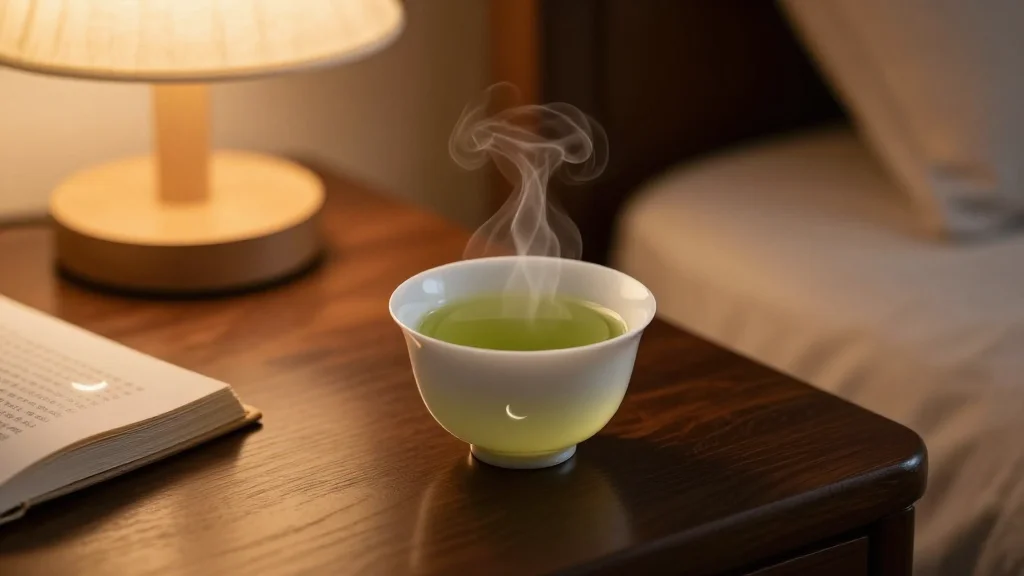
Can I Drink Green Tea at Night? What the Science Actually Says
Why It Matters
Understanding the caffeine‑L‑theanine balance helps consumers protect sleep health and avoid counterproductive weight‑loss efforts, a priority for the wellness market.
Key Takeaways
- •Green tea contains 20‑45 mg caffeine per 8 oz cup.
- •L‑theanine may promote relaxation but caffeine can disrupt sleep.
- •Stop caffeinated tea at least six hours before bedtime.
- •Decaf green tea retains antioxidants with only 2‑5 mg caffeine.
- •Lower‑caffeine varieties and brewing tricks reduce nighttime caffeine load.
Pulse Analysis
Caffeine’s half‑life of five to seven hours means a late‑day green tea can still be active when you try to fall asleep. While the modest caffeine dose in a typical cup is far lower than coffee, it can delay sleep onset for sensitive individuals. L‑theanine, present at 20‑50 mg per cup, may offset some stimulant effects by encouraging a relaxed yet alert state, but it rarely outweighs caffeine’s impact on the sleep cycle. Understanding this biochemical tug‑of‑war is essential for anyone who values both the health benefits of tea and restorative sleep.
Sleep specialists recommend a six‑hour caffeine cutoff before bedtime, translating to a 4 PM limit for a 10 PM lights‑out schedule. Genetic variations in the CYP1A2 enzyme, gender differences, and certain medications can shift this window, making personalized timing crucial. For those who still crave an evening brew, low‑caffeine greens like houjicha, decaffeinated versions, or GABA‑enhanced teas provide the antioxidant and L‑theanine advantages with minimal caffeine. Simple brewing adjustments—shorter steep times, cooler water, or a quick rinse—further reduce caffeine extraction, allowing a soothing ritual without the sleep penalty.
Beyond sleep, timing influences green tea’s metabolic claims. Catechins such as EGCG modestly boost fat oxidation, but the benefit is consistent regardless of hour. Poor sleep, however, disrupts hormones that regulate appetite and weight, negating any thermogenic edge. Consequently, health‑focused consumers should prioritize morning or early‑afternoon consumption for metabolic support, reserving decaf or herbal alternatives for nighttime. By aligning tea habits with individual caffeine tolerance and sleep goals, drinkers can maximize both wellness and rest, a balance increasingly demanded in today’s performance‑driven culture.
Can I Drink Green Tea at Night? What the Science Actually Says
Comments
Want to join the conversation?
Loading comments...