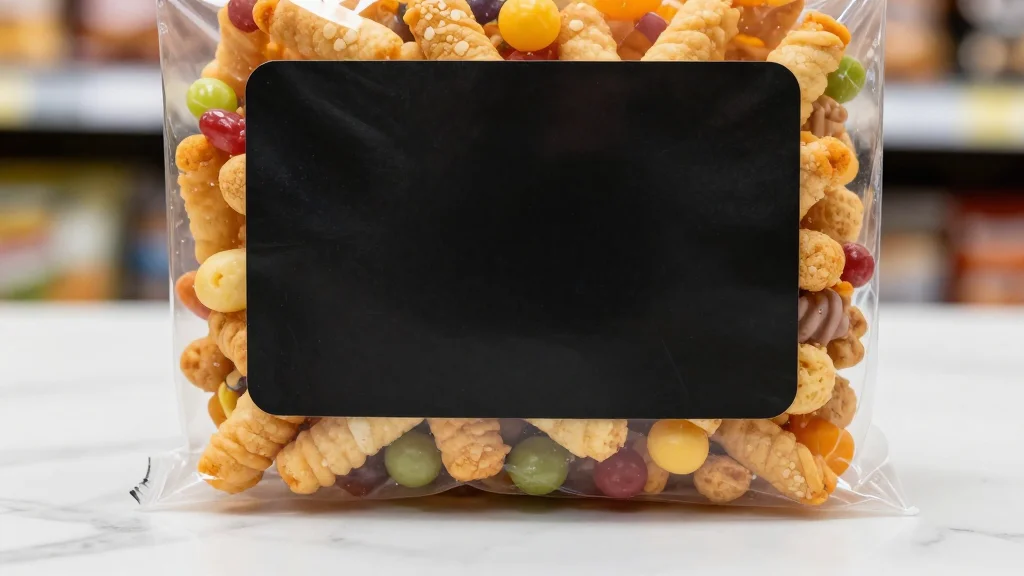
Chile’s Black-Label Law Slashes High‑Calorie Purchases 24%

Why It Matters
Food labeling sits at the intersection of consumer choice, industry practice, and public‑health outcomes. By demonstrating a concrete 23.8% reduction in high‑calorie product purchases, the Chilean study provides a data‑driven proof point that can justify regulatory action in other markets. Effective labeling can shift demand toward healthier options, prompting manufacturers to reformulate products to avoid warning symbols, thereby improving the overall nutritional quality of the food supply. Beyond immediate sales effects, labeling interventions have the potential to reduce long‑term healthcare costs associated with obesity‑related diseases. If replicated globally, even modest declines in unhealthy food consumption could translate into millions of avoided cases of diabetes, cardiovascular disease, and certain cancers, easing the fiscal burden on health systems and improving population well‑being.
Key Takeaways
- •Chile’s 2016 black‑label rule cut high‑calorie product purchases by 23.8%
- •Front‑of‑pack warnings are linked to reduced sales across socioeconomic groups
- •Ultra‑processed foods are identified as a major driver of global obesity trends
- •Several Central American countries are piloting similar labeling schemes
- •U.S., Canada and Australia are evaluating mandatory warning labels based on Chile’s data
Pulse Analysis
The Chilean black‑label experiment marks a rare instance where a single regulatory tweak produced a clear, quantifiable shift in consumer behavior. Historically, nutrition policy has relied on voluntary industry pledges or education campaigns that struggle to achieve scale. Chile’s mandatory approach sidesteps voluntary compliance, creating a level playing field and forcing manufacturers to confront the nutritional profile of their products directly. This regulatory certainty is likely to accelerate reformulation, as seen in the rapid reduction of added sugars in several product categories following the policy’s rollout.
However, labeling is not a silver bullet. The effectiveness of warnings depends on consistent design, enforcement, and integration with broader policy tools. In markets where price promotions and aggressive advertising dominate, a warning label may be ignored or counter‑balanced by discount incentives. Therefore, the next generation of nutrition policy must adopt a multi‑pronged strategy: combine front‑of‑pack warnings with taxes on sugary drinks, restrictions on marketing to children, and subsidies for healthier alternatives. Such a comprehensive framework can amplify the behavioral nudges that labels provide.
Looking forward, the key challenge for policymakers will be to translate sales data into health outcomes. Longitudinal studies tracking BMI, disease incidence, and healthcare expenditures post‑labeling will be essential to justify the political and economic costs of implementation. If those studies confirm that labeling drives measurable health improvements, we can expect a cascade of similar policies worldwide, reshaping the global food environment toward a healthier future.
Chile’s Black-Label Law Slashes High‑Calorie Purchases 24%
Comments
Want to join the conversation?
Loading comments...