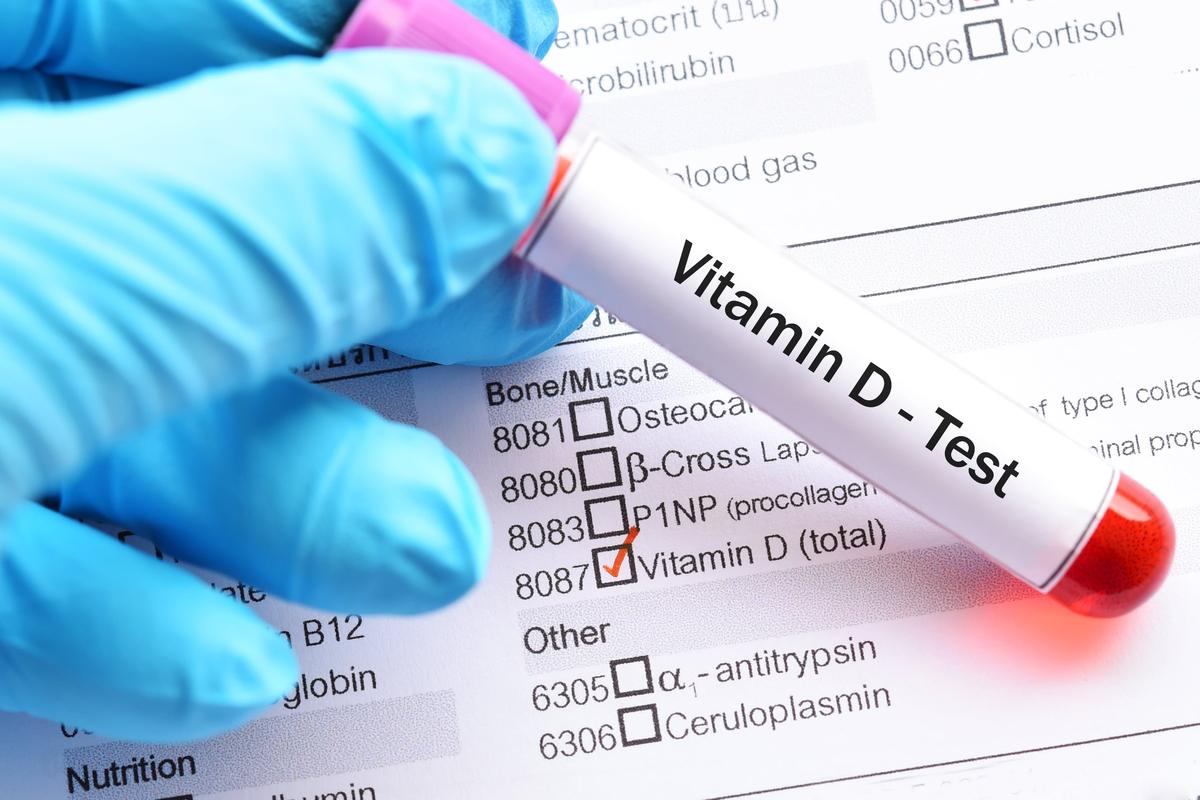
Daily Vitamin D Chocolate Wafer Achieves Sufficiency in Three Months, Study Suggests
Why It Matters
The findings demonstrate that modest, food‑based vitamin D fortification can rapidly correct deficiency, informing public‑health strategies in regions with limited sun exposure. They also validate fortified snacks as a scalable delivery vehicle for precision nutrition initiatives.
Key Takeaways
- •800 IU wafer normalized vitamin D in 65% by 12 weeks
- •400 IU dose achieved 23% sufficiency within one month
- •Dose‑response observed across 400‑800 IU groups
- •Fortified wafer offers convenient daily delivery for at‑risk women
Pulse Analysis
Vitamin D deficiency remains a silent epidemic in South Asia, where cultural practices and high pollution often limit sun‑derived synthesis. Researchers in India and Qatar leveraged a familiar snack—a chocolate wafer—to deliver precise doses of vitamin D₃, creating a controlled environment to isolate the nutrient’s effect. By enrolling non‑pregnant, non‑lactating women aged 18‑35 with baseline serum 25‑hydroxyvitamin D below 20 ng/mL, the study ensured a homogeneous cohort, allowing clear attribution of changes to the fortified product.
The trial’s results underscore a robust dose‑response relationship: an 800 IU daily dose achieved sufficiency in two‑thirds of participants within three months, while even the 400 IU dose—aligned with India’s Estimated Average Requirement—produced measurable gains early on. These outcomes reinforce the concept of precision nutrition, where biomarkers guide individualized interventions rather than relying solely on estimated intake. Although bone turnover markers showed modest shifts, the rapid serum improvements suggest that fortified foods can serve as an effective bridge until broader dietary or lifestyle changes take hold.
From a market perspective, the study validates fortified snack formats as viable vehicles for micronutrient delivery, opening avenues for food manufacturers to address nutrient gaps without altering core diets. Policymakers may consider integrating such products into public‑health programs, especially in low‑income settings where supplementation adherence is challenging. Future research should expand demographic diversity, incorporate calcium co‑fortification, and assess long‑term skeletal outcomes to fully capture the health and economic benefits of scalable vitamin D fortification.
Daily vitamin D chocolate wafer achieves sufficiency in three months, study suggests
Comments
Want to join the conversation?
Loading comments...