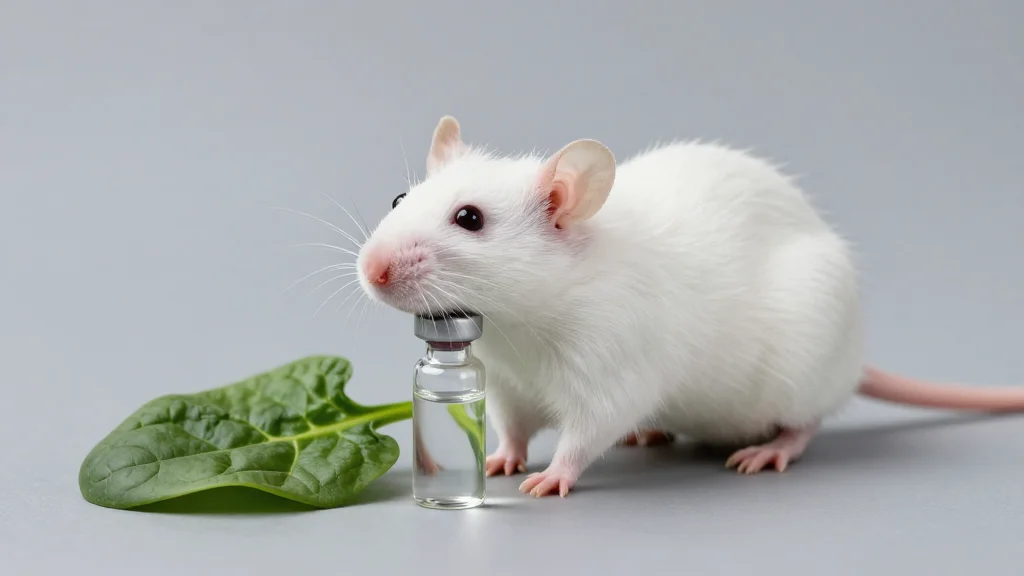
Dietary L-Arginine Supplementation Exerts Preventive Effects on Colitis Through Modulation of the Gut Microbiota
Companies Mentioned
Why It Matters
Timing of L‑arginine supplementation is critical; early intervention can prevent colitis by strengthening the intestinal barrier and reshaping the microbiome, offering a low‑cost, diet‑based strategy for ulcerative colitis management.
Key Takeaways
- •Prophylactic L‑arginine reduced DSS‑induced weight loss and disease activity
- •Early supplementation restored tight‑junction proteins and lowered serum LPS
- •Gut microbiota shifted toward beneficial taxa like Akkermansia and Lactobacillus
- •Fecal transplants from Arg‑treated mice conferred colitis protection
- •Therapeutic L‑arginine showed limited impact compared with preventive dosing
Pulse Analysis
Ulcerative colitis (UC) remains a growing global health challenge, with existing drug regimens hampered by side‑effects, high costs, and variable efficacy. Researchers have turned to nutrition‑based approaches, recognizing that dietary components can swiftly reshape the gut ecosystem. L‑arginine, a semi‑essential amino acid integral to nitric‑oxide production and tissue repair, has emerged as a promising candidate, but its optimal use—whether as a preventive or therapeutic agent—has been unclear.
In a controlled mouse model, researchers compared L‑arginine administered before disease onset (prophylactic) versus during active colitis (therapeutic). Preventive supplementation dramatically blunted weight loss, disease activity scores, and colon shortening, mirroring the outcomes of continuous dosing. Molecular analyses revealed restored expression of tight‑junction proteins (ZO‑1, Claudin‑1, Occludin) and a drop in circulating lipopolysaccharide, indicating a fortified intestinal barrier. Cytokine profiling showed reduced TNF‑α and IFN‑γ alongside elevated IL‑10, underscoring an anti‑inflammatory shift. Crucially, 16S rRNA sequencing documented a microbiome rebalance: loss of pathogenic taxa and enrichment of health‑promoting genera such as Akkermansia, Lactobacillus, and Muribaculaceae. Fecal microbiota transplantation from Arg‑treated donors reproduced these protective effects in naïve recipients, confirming that microbiome modulation drives much of the benefit.
These findings suggest that early dietary L‑arginine could serve as a low‑risk adjunct to conventional UC therapy, especially for individuals at high risk of flare‑ups. Translating mouse data to humans will require dose‑optimization studies, safety profiling, and consideration of sex‑specific responses. Nonetheless, the work highlights the broader principle that timing matters in nutraceutical interventions, and that reshaping the gut microbiota may be a viable pathway to prevent or mitigate inflammatory bowel disease.
Dietary L-arginine supplementation exerts preventive effects on colitis through modulation of the gut microbiota
Comments
Want to join the conversation?
Loading comments...