Duodenal Mucosal Resurfacing Cuts Post‑GLP‑1 Weight Regain by 40% in First Trial

Why It Matters
The gut reset trial tackles a critical failure point in the rapidly expanding GLP‑1 market: the high rate of weight regain after drug cessation. By offering a procedural alternative, the approach could reduce reliance on costly, lifelong medication, lower overall healthcare expenditures, and improve patient adherence. Moreover, the technique targets the duodenum, a key metabolic hub, potentially unlocking new pathways for treating insulin resistance and related comorbidities. If validated, duodenal mucosal resurfacing could also influence regulatory and reimbursement policies. Payers may view a single outpatient procedure as a cost‑effective substitute for years of GLP‑1 therapy, prompting broader coverage and accelerating adoption across weight‑management clinics.
Key Takeaways
- •First blinded, sham‑controlled trial of duodenal mucosal resurfacing (DMR) presented at DDW 2026
- •DMR participants regained 40% less weight than sham controls over six months
- •Average weight loss on tirzepatide before DMR was 40 lb; DMR group kept >80% of loss
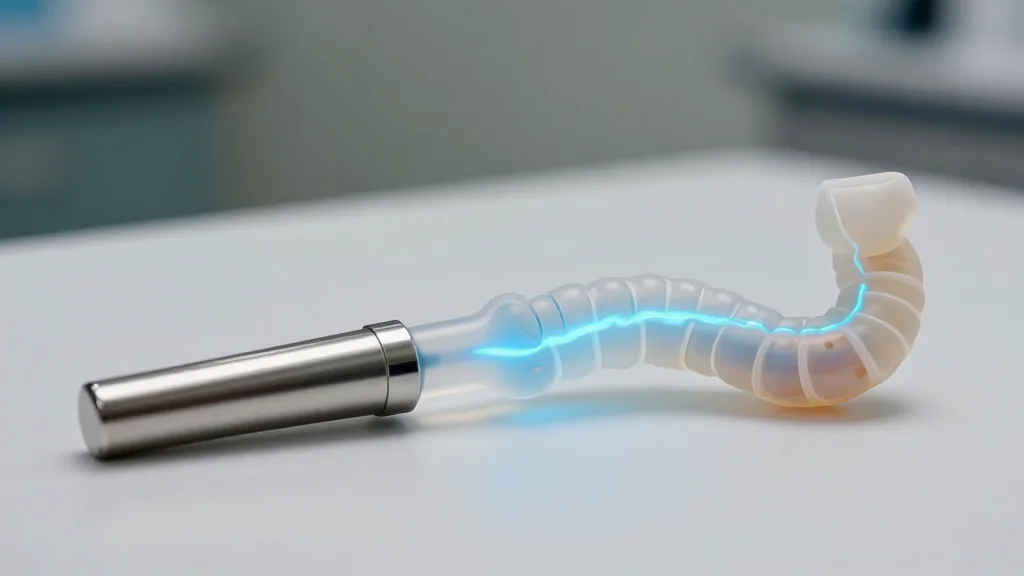
- •Procedure uses controlled heat to ablate duodenal mucosa, prompting healthier tissue growth
- •Phase 2 REMAIN‑1 will expand to 150 patients with 24‑month follow‑up
Pulse Analysis
The emergence of duodenal mucosal resurfacing as a post‑GLP‑1 maintenance tool reflects a broader shift toward procedural obesity therapies that promise durability without chronic drug exposure. Historically, bariatric surgery has been the gold standard for sustained weight loss, but its invasiveness and cost limit accessibility. DMR occupies a middle ground—more intensive than lifestyle counseling yet far less invasive than surgery—potentially opening a new tier of treatment for the estimated 20% of U.S. adults who have tried GLP‑1 agents.
From a market perspective, the GLP‑1 space has attracted billions in investment, yet the high discontinuation rate threatens long‑term revenue streams for manufacturers. A viable adjunct like DMR could paradoxically extend the lifecycle of GLP‑1 drugs by providing a bridge that keeps patients in the metabolic benefits window while they transition off medication. Pharmaceutical firms may respond by partnering with endoscopy groups or funding larger trials to secure a stake in the procedural ecosystem.
Looking ahead, the key determinants of DMR’s success will be scalability and payer acceptance. The procedure’s reliance on specialized endoscopic equipment and trained operators could constrain rapid rollout, especially in community settings. However, if the upcoming REMAIN‑1 data confirm metabolic improvements beyond weight maintenance—such as better HbA1c control or reduced cardiovascular events—insurance carriers may be compelled to reimburse, accelerating diffusion. In the meantime, clinicians will need clear guidelines on patient selection, timing relative to drug cessation, and long‑term monitoring to ensure the promise of a “gut reset” translates into real‑world outcomes.
Duodenal Mucosal Resurfacing Cuts Post‑GLP‑1 Weight Regain by 40% in First Trial
Comments
Want to join the conversation?
Loading comments...