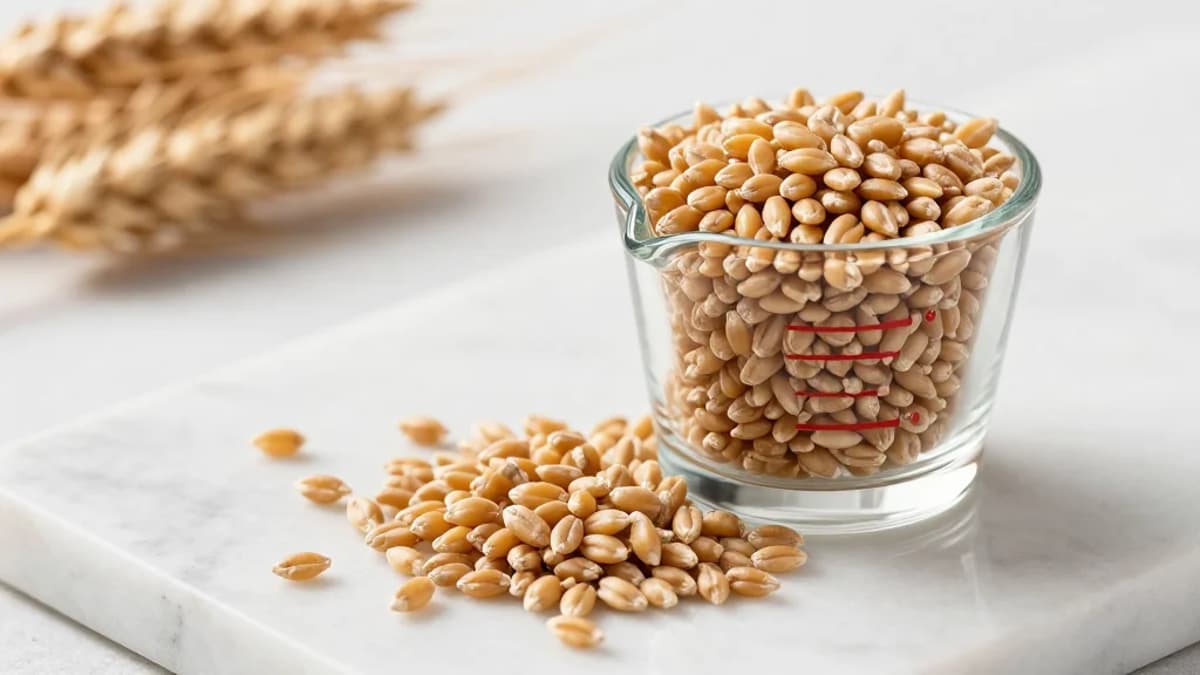
Effectiveness of Whole Grain to Body Weight and Cardiometabolic Risk in Adults with Obesity: A Parallel Randomised Controlled Trial
•March 12, 2026
0
Why It Matters
The findings provide high‑quality RCT evidence that whole‑grain foods are an effective, low‑cost strategy to reduce obesity‑related risk, influencing clinical guidelines and public‑health nutrition policies.
Key Takeaways
- •Whole‑grain intake led to ~2 kg weight loss
- •BMI reduced by ~0.6‑0.7 kg/m² versus control
- •Fasting glucose and HOMA‑IR improved significantly
- •Triglycerides, cholesterol, and systolic BP decreased
- •No dose‑response between 50 g and 100 g observed
Pulse Analysis
Whole‑grain consumption has long been linked to healthier body weight, yet rigorous trials quantifying its effect remain scarce. This 12‑week randomised study fills that gap by directly comparing two realistic dosage levels—50 g and 100 g per day—against a usual‑diet control in a Chinese obese cohort. The trial’s robust design, including intention‑to‑treat analysis and adjustment for lifestyle covariates, yields credible evidence that even modest whole‑grain substitution can produce clinically meaningful weight loss of roughly 2 kg, approaching the 3‑5 % threshold associated with reduced cardiovascular risk.
Beyond the scale, the intervention delivered consistent improvements across a spectrum of cardiometabolic markers. Participants experienced lower fasting glucose, reduced insulin resistance (HOMA‑IR), and declines in triglycerides, total cholesterol, and systolic blood pressure. Notably, serum uric acid and homocysteine—both emerging risk factors for heart disease—also fell. These benefits likely stem from the high fibre content, low glycaemic index, and bioactive compounds inherent to whole grains, which together enhance satiety, modulate gut microbiota, and attenuate inflammatory pathways. The uniform metabolic gains across both dosage groups suggest that the threshold for benefit may be lower than previously assumed.
For policymakers and food manufacturers, the trial underscores the value of integrating whole‑grain options into standard dietary recommendations and product lines. Health agencies can cite this evidence when crafting guidelines that encourage at least 50 g of whole grains daily for weight‑management programs. Meanwhile, the lack of a clear dose‑response invites further long‑term research to determine optimal intake levels and to isolate effects of specific grain varieties. Addressing study limitations—such as reliance on bioelectrical impedance and self‑reported activity—will strengthen future evidence and help translate these findings into sustained public‑health impact.
Effectiveness of whole grain to body weight and cardiometabolic risk in adults with obesity: a parallel randomised controlled trial
0
Comments
Want to join the conversation?
Loading comments...