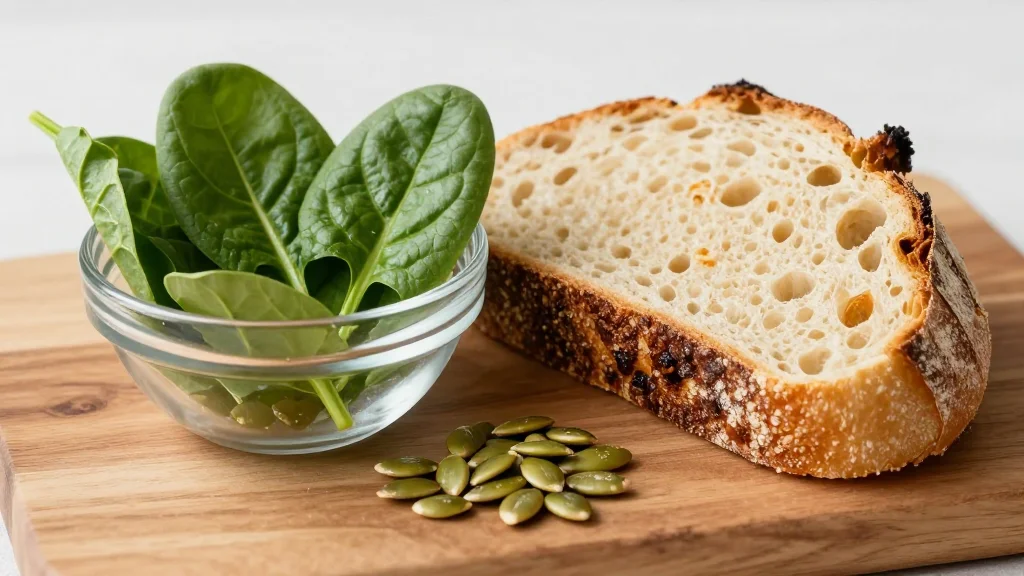
Effects of Sourdough- or Regular-Bread Fermentation, and Phytate Reduction on Iron Bioavailability, Absorption, and Iron Status in Humans: A Systematic Review of Intervention Studies
Why It Matters
The findings highlight that while fermentation can boost short‑term iron uptake, it does not reliably translate into sustained improvements in iron status, underscoring the need for fortified, well‑designed products to combat global iron‑deficiency anaemia.
Key Takeaways
- •Acute studies show sourdough lowers phytate, boosting short‑term iron absorption
- •Long‑term trials rarely improve ferritin unless iron is fortified alongside fermentation
- •High risk of bias and dietary confounders limit confidence in current evidence
- •Phytate reduction can increase iron solubility, but hepcidin regulation may offset benefits
- •Future RCTs need standardized fermentation, controlled diets, and comprehensive iron biomarkers
Pulse Analysis
Iron‑deficiency anaemia remains the most prevalent micronutrient disorder worldwide, affecting over 30 % of the global population. Bread, as a daily staple, offers a practical vehicle for delivering iron, especially in cereal‑based diets where non‑heme iron dominates. Fermentation—whether through traditional sourdough or commercial yeast—lowers dough pH, activates endogenous and microbial phytases, and degrades phytate, the primary inhibitor of iron absorption. These biochemical shifts increase iron solubility, creating a more favorable environment for intestinal uptake, a mechanism well‑documented in in‑vitro and animal models.
The systematic review of eight human trials reveals a nuanced picture. Short‑term, post‑prandial studies consistently reported higher serum iron peaks and fractional absorption when participants consumed low‑phytate breads or breads supplemented with exogenous phytase. However, when the intervention extended over weeks or months, the anticipated rise in ferritin or total body iron seldom materialised. In some cases, iron stores even declined, likely due to uncontrolled dietary variables, reduced intake of enhancers like vitamin C, and physiological regulation via hepcidin. Notably, trials that paired phytate reduction with iron fortification or maintained adequate vitamin C intake succeeded in stabilising or improving haemoglobin and ferritin levels, suggesting that fermentation alone is insufficient for long‑term status improvement.
For food manufacturers and public‑health policymakers, the implications are clear. Fermentation can be leveraged to enhance iron bioavailability, but product formulations should incorporate iron fortification and consider the overall dietary matrix to achieve meaningful health outcomes. Future research must address current methodological gaps—standardising fermentation parameters, controlling confounding dietary factors, and employing robust biomarkers such as soluble transferrin receptor and hepcidin. High‑quality, large‑scale randomized trials will be essential to substantiate health claims and guide regulatory approvals for iron‑enhanced bread products.
Effects of sourdough- or regular-bread fermentation, and phytate reduction on iron bioavailability, absorption, and iron status in humans: a systematic review of intervention studies
Comments
Want to join the conversation?
Loading comments...