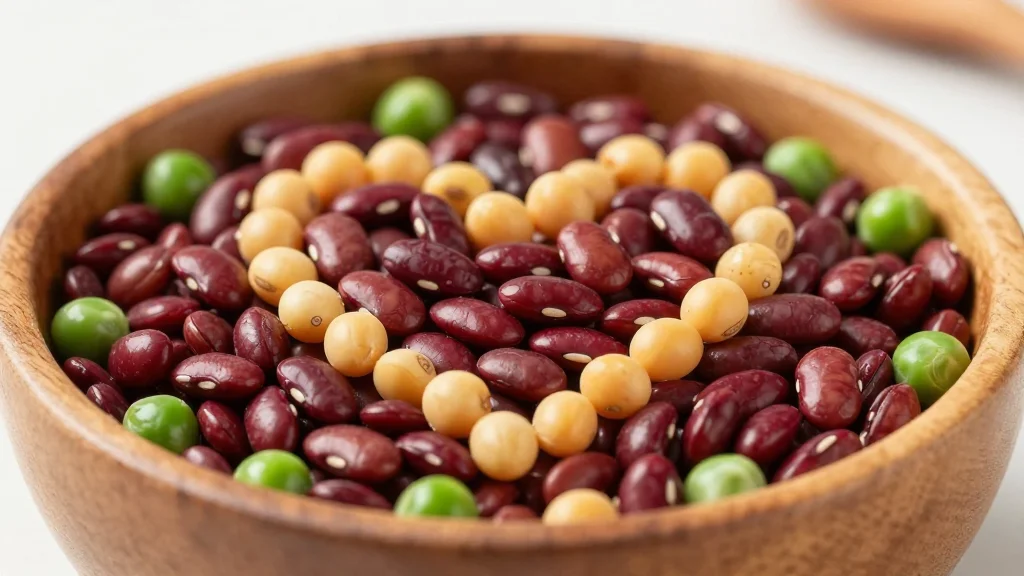
Elevated Consumption of Soy and Legumes Associated with Reduced Risk of Hypertension
Why It Matters
The findings give public‑health officials concrete, low‑cost dietary targets to curb the global hypertension epidemic and support updating nutrition guidelines toward plant‑forward protein sources.
Key Takeaways
- •High legume intake cuts hypertension risk by 16%.
- •Soy consumption reduces hypertension risk by 19%.
- •170 g legumes daily yields ~30% risk reduction.
- •60‑80 g soy daily yields ~28% risk reduction.
- •Western diets fall short of 65‑100 g daily recommendation.
Pulse Analysis
Hypertension remains the leading modifiable risk factor for cardiovascular disease, accounting for millions of deaths worldwide. While pharmaceuticals manage blood pressure, the new meta‑analysis underscores that diet can deliver comparable preventive power. By aggregating data from diverse cohorts across North America, Europe, and Asia, researchers demonstrate that regular intake of legumes and soy—rich in potassium, magnesium, fiber, and isoflavones—correlates with a 16‑19% lower incidence of hypertension, reinforcing the role of nutrient‑dense plant foods in vascular health.
The dose‑response analysis adds practical nuance: consuming roughly 170 g of beans, lentils, or peas daily can slash hypertension risk by up to 30%, while 60‑80 g of soy products such as tofu or edamame yields a similar 28‑29% reduction. These thresholds likely reflect physiological saturation points where key bioactive compounds maximally influence endothelial function and nitric‑oxide pathways. The mechanisms—electrolyte balance, short‑chain fatty acid production from fiber fermentation, and estrogen‑like activity of isoflavones—provide a credible biological basis for the observed epidemiologic trends, bridging the gap between population data and molecular science.
For policymakers and clinicians, the study offers actionable guidance. Current Western consumption averages only 8‑15 g of legumes per day, far below the 65‑100 g range associated with cardiovascular benefit. Integrating legumes and soy as primary protein sources in dietary guidelines could close this gap, delivering a scalable, affordable strategy to lower blood‑pressure prevalence. Future research should prioritize randomized trials to confirm causality, explore the plateau effect in soy intake, and assess how preparation methods influence efficacy. As health systems grapple with rising hypertension rates, these findings make a compelling case for nutrition‑centric prevention policies.
Elevated Consumption of Soy and Legumes Associated with Reduced Risk of Hypertension
Comments
Want to join the conversation?
Loading comments...