FDA Delays Approval of Two Natural Food Dyes Over Safety Objections

Why It Matters
The FDA’s delay highlights a growing tension between the push for natural, clean‑label ingredients and the rigorous safety standards required for public health. By scrutinizing heavy‑metal limits and long‑term toxicity, regulators are signaling that “natural” does not automatically equate to safe, forcing manufacturers to invest in more comprehensive testing. For consumers, the episode reinforces the importance of transparent labeling and may influence purchasing decisions as awareness of potential hidden risks rises. Beyond individual products, the ruling could reshape the broader food‑color market, prompting a shift toward pigments with clearer safety profiles or spurring innovation in novel, non‑metal‑based colorants. The outcome will also affect trade dynamics, as U.S. standards often set benchmarks for international regulators and suppliers.
Key Takeaways
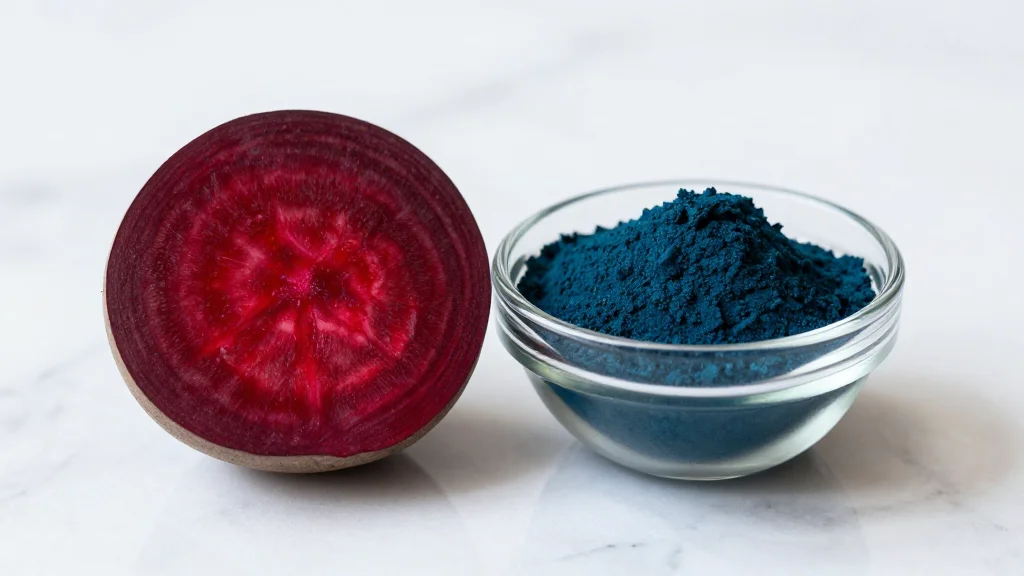
- •FDA delays approval of beetroot red and spirulina extract after safety objections.
- •GMO/Toxin Free USA claims critical long‑term safety studies were omitted.
- •Obelisk Tech Systems argues FDA set arsenic limits 30× higher than apple‑juice standards.
- •Agency plans to amend spirulina approval to lower heavy‑metal thresholds.
- •Manufacturers may face reformulation costs and potential consumer lawsuits.
Pulse Analysis
The FDA’s cautious approach reflects a broader regulatory trend toward data‑driven validation of natural claims. In the past decade, the agency has accelerated approvals for plant‑based colorants to meet consumer demand, but this case shows that speed cannot replace thorough risk assessment. Heavy‑metal contamination, especially arsenic, has become a focal point after high‑profile incidents in other food categories, prompting regulators to tighten acceptable limits.
From a market perspective, the delay could accelerate consolidation among color‑additive firms that possess robust safety dossiers. Companies with proprietary, well‑characterized pigments—such as those derived from turmeric or paprika—may gain a competitive edge, while smaller innovators could struggle to fund the extensive toxicology studies now deemed essential. This dynamic may also drive strategic partnerships between ingredient manufacturers and academic institutions to generate the required data.
Looking ahead, the FDA’s forthcoming amendment will likely set a precedent for how natural dyes are evaluated against cumulative dietary exposures. If the agency adopts stricter heavy‑metal thresholds, we could see a wave of reformulations across beverages, confectionery, and snack foods. For consumers, the episode underscores that “natural” labeling is not a guarantee of safety, reinforcing the need for ongoing vigilance and transparent communication from both regulators and manufacturers.
FDA Delays Approval of Two Natural Food Dyes Over Safety Objections
Comments
Want to join the conversation?
Loading comments...