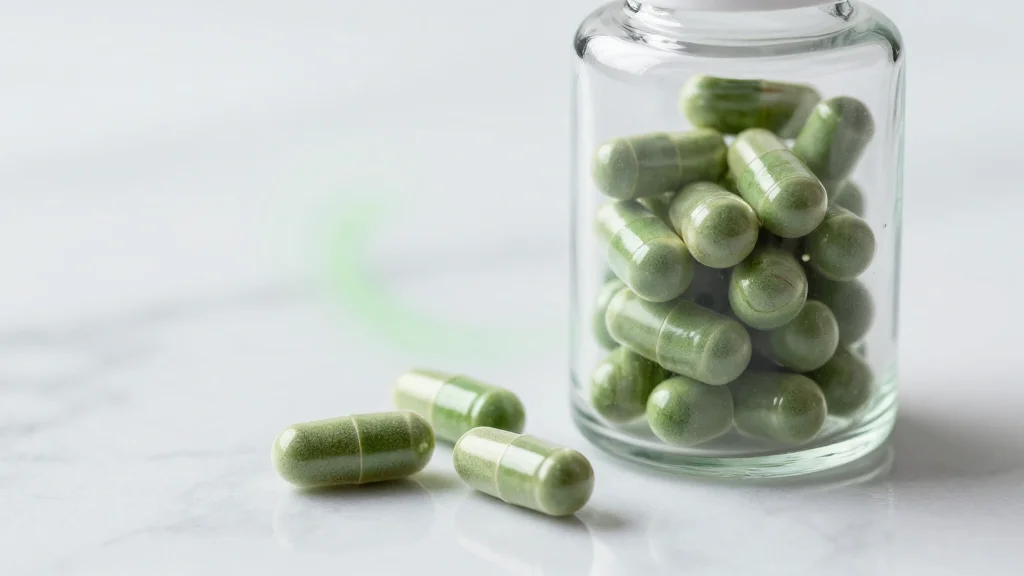
FDA Links Salmonella Outbreak to MOGO Moringa Capsules, 18 Sick Across 14 States

Why It Matters
The MOGO moringa outbreak underscores the vulnerability of the dietary supplement supply chain to microbial contamination, a risk amplified by the sector's reliance on global sourcing and minimal pre‑market testing. For consumers, the incident highlights the importance of vigilance regarding product lot numbers and expiration dates, especially for supplements with long shelf lives. For regulators, it provides a data point supporting calls for tighter oversight and mandatory testing standards, which could reshape industry practices and restore consumer trust. Beyond immediate health impacts, the repeated recalls may influence legislative discussions about the Dietary Supplement Health and Education Act (DSHEA) reforms, potentially leading to stricter labeling requirements and mandatory adverse event reporting. Such policy shifts could have lasting effects on market entry barriers, product innovation, and the overall cost structure for supplement manufacturers.
Key Takeaways
- •FDA links 18 Salmonella cases to MOGO brand moringa capsules across 14 states
- •Seven patients hospitalized; no deaths reported
- •Recall of lot #15525AA (exp 6/2027) and lot #00926AA (exp 1/2028) issued on May 25
- •Two prior moringa‑related Salmonella outbreaks resulted in 10 and 97 cases respectively
- •Outbreak highlights need for stricter testing and traceability in the supplement industry
Pulse Analysis
The recurrence of Salmonella outbreaks tied to moringa supplements signals a systemic weakness in the current regulatory framework governing dietary supplements. Unlike pharmaceuticals, supplements are not required to undergo pre‑market safety evaluations, leaving the FDA to act reactively after illnesses are reported. This reactive posture not only endangers public health but also erodes consumer confidence in a market valued at over $140 billion in the United States.
Historically, the supplement sector has leveraged self‑regulation and third‑party certifications to assure quality, but the moringa cases reveal gaps in those safeguards. The long shelf life of powdered botanicals creates a persistent contamination risk; once a batch is tainted, it can remain on shelves for years, compounding exposure. Companies that invest in robust microbial testing, such as next‑generation sequencing and real‑time PCR, will likely differentiate themselves and capture market share from risk‑averse consumers.
Looking ahead, the FDA may consider expanding its authority under DSHEA to require mandatory pathogen testing for high‑risk botanicals, mirroring standards applied to food products. Legislative momentum is already building around greater transparency and adverse event reporting. If enacted, these measures could increase compliance costs for small manufacturers but also level the playing field by weeding out low‑quality producers. For investors, the episode suggests a near‑term opportunity in firms offering certified‑grade, lab‑tested supplements and in technology providers that enable rapid microbial detection. The broader lesson is clear: safety will become a competitive advantage as regulators tighten oversight and consumers demand proof of purity.
FDA Links Salmonella Outbreak to MOGO Moringa Capsules, 18 Sick Across 14 States
Comments
Want to join the conversation?
Loading comments...